Using VPNs to Enhance Browsing Security and Protect Your Online Identity
Enhancing Your Online Safety
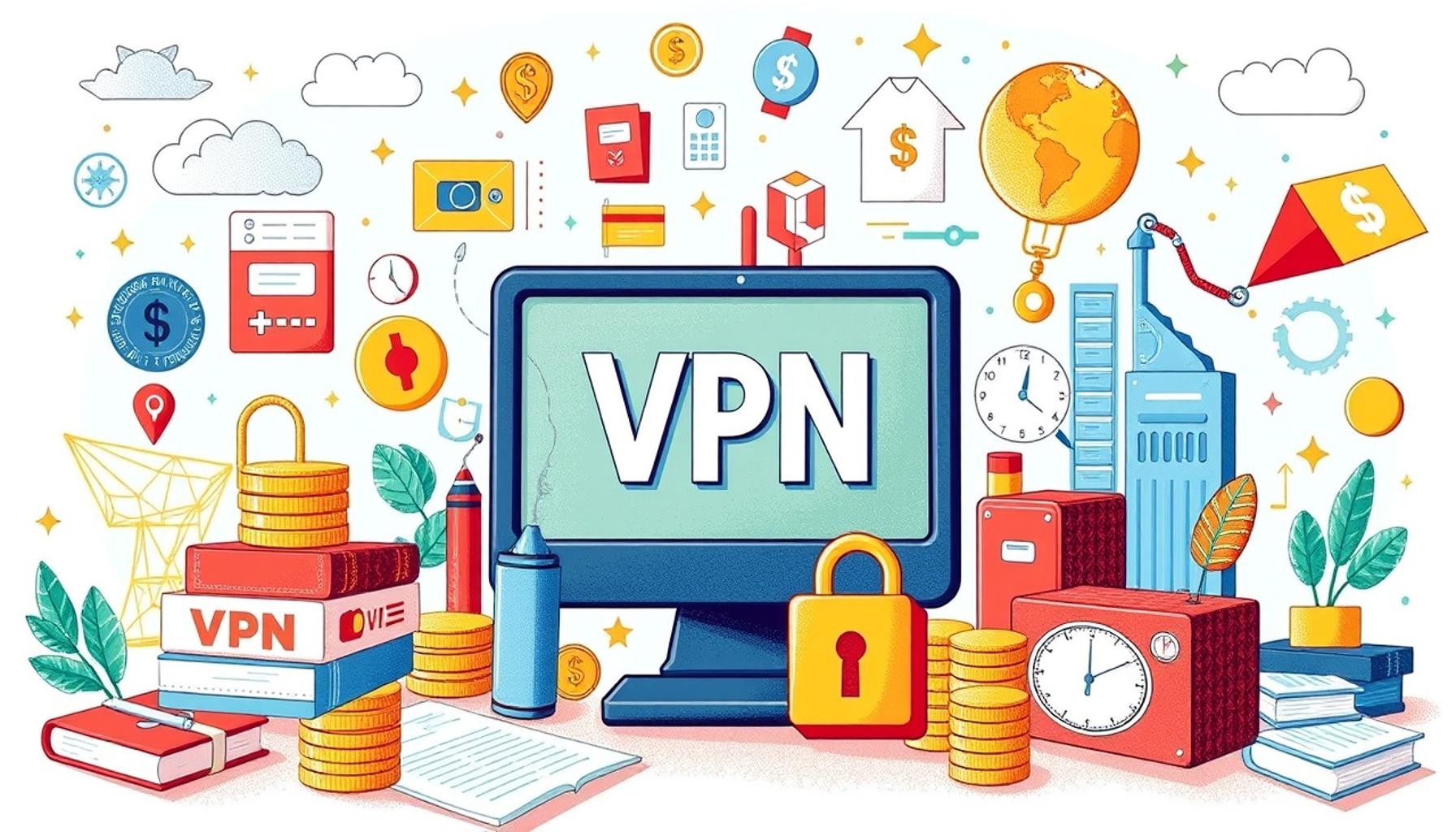
In today’s digital age, ensuring your online security has never been more crucial. With privacy concerns and cyber threats on the rise, Virtual Private Networks (VPNs) have emerged as a powerful tool for safeguarding your web experience. But how exactly do VPNs enhance browsing security and protect your online identity?
The Importance of Online Privacy
More than ever, individuals are vulnerable to data breaches and identity theft. Each day, sensitive information such as passwords, bank details, and personal messages can be exposed to:
- Hackers: Individuals or groups who exploit vulnerabilities in systems to access sensitive data.
- Internet Service Providers (ISPs): Companies that provide internet access and may track user activity for purposes such as data selling and targeted advertisements.
- Malicious websites: Sites that employ phishing techniques to harvest personal information.
A VPN acts as a protective barrier, encrypting your internet connection and helping to keep your activities confidential. This encryption transforms your data into a code that is nearly impossible for unauthorized users to decipher, ensuring that your online presence remains discreet.
Key Benefits of Using a VPN
When you connect to the internet through a VPN, several advantages come into play, significantly enhancing your online experience:
- Enhanced Security: VPNs utilize encryption protocols, such as AES-256, which is used by governments to secure classified information. This level of security shields your data from prying eyes, making it immensely difficult for hackers to intercept your information.
- Anonymity: By masking your IP address and routing your internet traffic through remote servers, VPNs allow you to browse the web without revealing your identity. For instance, if you are navigating online forums or social media, your real location is hidden, providing an extra layer of anonymity.
- Access to Restricted Content: In a world where certain websites and streaming services are geo-blocked, VPNs empower you to bypass these geographical limitations. For example, if you’re a fan of international shows available only in specific countries, a VPN lets you appear as though you’re browsing from that location, granting you access to a wider array of entertainment options.
These features not only promote a sense of safety but also empower users in the digital landscape. With increasing regulation, such as California’s Consumer Privacy Act, being informed about your online security choices is essential for maintaining privacy and control over your personal data.
Embracing the use of a VPN could very well be a foundational step towards not only protecting your online identity but also enhancing your overall digital experiences. In our interconnected world, understanding and utilizing these tools will help build a more secure online frontier.
DISCOVER MORE: Click here for insights on collaborative tools
Understanding VPN Technology
To fully grasp the benefits of Virtual Private Networks (VPNs), it’s essential to explore the underlying technology that enables this enhanced security. A VPN works by creating a secure tunnel between your device and the internet, effectively shielding your online activities from potential threats.
How VPNs Function
When you connect to a VPN, your internet traffic is routed through a server operated by the VPN provider. This process entails several sophisticated mechanisms:
- Encryption: VPNs employ advanced encryption protocols to scramble your data. This means that even if someone intercepts your traffic, they won’t be able to read it without the decryption key. Common encryption methods, such as AES-256, provide a level of security that rivals government standards.
- IP Address Masking: By masking your IP address, a VPN helps maintain your anonymity while online. Instead of your actual IP address, websites and services will see the IP address of the VPN server you are connected to. This simple mask can effectively deter unwanted tracking by ISPs and advertisements.
- Tunneling Protocols: Various tunneling protocols, such as OpenVPN and IKEv2/IPsec, govern how your data travels through the VPN tunnel. These protocols ensure that your connection is not only secure but also reliable, minimizing potential disruptions in service.
This foundational technology is invaluable for preserving online security. With rampant data breaches reported frequently in the United States, utilizing a VPN becomes a prudent choice for those who prioritize their privacy and wish to sidestep intrusive monitors.
Real-World Applications of VPNs
The question often arises: who exactly can benefit from using a VPN? The answer is quite broad, as VPNs cater to diverse user needs, including:
- Remote Workers: With the rise of telecommuting, many employees access company networks from home or public Wi-Fi networks. A VPN secures these connections, ensuring sensitive business data remains safe from potential eavesdroppers.
- Travelers: Whether for business or leisure, travelers often connect to public Wi-Fi hotspots that can pose serious security risks. VPNs enable safe browsing in these environments, protecting personal information from cybercriminals lurking on the same network.
- Streaming Enthusiasts: For those who enjoy global entertainment, VPNs can unlock access to international content libraries on popular platforms. By altering your perceived location, a VPN grants you entry to shows and movies that may be region-locked.
Integrating a VPN into your digital routine has become increasingly relevant amidst growing privacy concerns and complex cyber threats. As you analyze how to protect your online identity, consider the distinct advantages VPNs provide and how they can empower your internet experience. Understanding these elements contributes to a well-rounded strategy for navigating the digital landscape safely.
| Advantage | Description |
|---|---|
| Improved Privacy | Using a VPN helps to mask your IP address, making it difficult for third parties to track your online activities. |
| Secure Data Transmission | VPNs encrypt your data, protecting sensitive information from hackers, especially on public Wi-Fi networks. |
| Access to Restricted Content | A VPN allows users to bypass geo-restrictions, accessing content that may be blocked in certain regions. |
| Anonymous Browsing | With a VPN, you can browse the internet without revealing your actual location or identity, enhancing personal security. |
Using a VPN is becoming increasingly crucial for anyone concerned about browsing security and online identity protection. These advantages not only safeguard your data but also enrich your internet experience. Exploring various VPN options could reveal unique features tailored to your privacy preferences and needs.
DISCOVER MORE: Click here to dive deeper
Benefits of VPNs Beyond Security
While the primary focus of a Virtual Private Network (VPN) is to enhance browsing security and protect online identities, the advantages extend well beyond just safeguarding data. Exploring the broader implications of VPN use reveals a wealth of benefits that cater to a diverse audience in today’s digital age.
Freedom to Browse Without Restrictions
In addition to privacy and security, a VPN serves as a powerful tool for bypassing geographical restrictions. Many users encounter geo-blocking when trying to access content that is unavailable in their region. Streaming services such as Netflix, Hulu, and BBC iPlayer often restrict their libraries based on the user’s location, leaving many viewers frustrated.
By connecting to a VPN server located in a different region, users can effectively mask their geographical location, making it appear as if they are browsing from that designated area. This not only allows access to a wider array of content but also enables individuals to explore different streaming libraries without limits—unlocking a world of entertainment previously unavailable to them.
Enhanced Online Shopping Experience
Online shoppers can also leverage VPNs to secure their transactions and gain potential financial benefits. For example, some e-commerce websites display different prices based on the user’s geographical location, often charging more for products in specific regions. Using a VPN, savvy shoppers can navigate through various locations and possibly save money while making purchases—whether it’s airline tickets, hotel bookings, or online retail.
Moreover, VPNs add an extra layer of protection by encrypting sensitive information such as credit card details and billing addresses during online transactions. This encryption helps thwart hackers, especially on unsecured networks, thereby ensuring a more secure shopping experience.
Anonymity for Whistleblowers and Activists
In today’s climate, where surveillance and censorship are common, VPNs play a critical role for whistleblowers and activists advocating for social change. By using a VPN, they can communicate, share information, and mobilize efforts while remaining anonymous and secure. The added layer of online anonymity is vital for individuals in sensitive situations, allowing them to express their views without facing repercussions.
For example, activists working in countries with heavy restrictions on free speech and limited internet access rely on VPNs to communicate safely and impactfully, ensuring that their voices can be heard even when facing severe opposition.
Improved Internet Speeds
Interestingly, in some cases, VPNs can also enhance internet speed. Users may experience faster browsing when connected to a VPN server, especially if their Internet Service Provider (ISP) is throttling bandwidth during high-traffic periods. Some ISPs limit bandwidth on certain activities, such as torrenting or streaming. A VPN can help bypass such restrictions by masking the user’s activities from the ISP, resulting in improved performance.
The multifaceted benefits of utilizing a VPN illustrate its growing importance in an increasingly interconnected world. With online safety, accessibility, and overall internet experience at stake, using a VPN emerges as a truly advantageous strategy, empowering users to explore the digital landscape with confidence and autonomy. Each facet of VPN functionality contributes to a more secure, versatile browsing experience, which is essential in today’s era of digital engagement.
DISCOVER MORE: Click here to uncover collaborative tools
Conclusion
As our digital lives become increasingly complex and interconnected, the importance of using a Virtual Private Network (VPN) cannot be overstated. This powerful tool not only enhances browsing security and protects your online identity but also opens up a treasure trove of additional benefits. From bypassing geographical restrictions to accessing diverse content libraries, the advantages of VPNs extend far beyond mere privacy.
The enhanced online shopping experience, where consumers can potentially save money by navigating different e-commerce landscapes, combined with improved internet speeds, empowers users to maximize the efficiency of their online activities. Moreover, the critical role VPNs play in enabling anonymity for whistleblowers and activists is a testament to their significance in safeguarding freedom of expression and promoting social change.
In essence, adopting a VPN is an investment in not just privacy but in a more liberated and fulfilling online experience. As threats to personal data and online security continue to evolve, individuals must equip themselves with the right tools to navigate the digital world safely. The myriad of functionalities that VPNs offer—from encryption to unrestricted access—provides a solid backbone for a secure online journey.
So, whether you are an online shopper, a content enthusiast, or an activist standing up for your beliefs, utilizing a VPN is an essential step towards realizing a more secure, accessible, and enriched internet experience. Embrace the power of VPN technology, and take control of your digital footprint today.
Related posts:
How to Use Real-Time Security Alerts to Protect Your Applications from Emerging Threats
Mobile Device Security: Tips to Protect Your Data on Smartphones and Tablets
The Role of Cryptography in Messaging Apps: Ensuring Secure Conversations
The Importance of Access Control in Applications: How to Manage Permissions Efficiently
How to Monitor and Manage Security Updates for Your Applications
How to Use Cryptography Resources in Applications to Protect Your Data

Beatriz Johnson is a seasoned tech writer and digital tools expert with a passion for simplifying the complexities of technology and mobile applications. With over a decade of experience in the tech industry, she specializes in topics like productivity apps, software reviews, and emerging digital trends. Through her work, Beatriz empowers readers to make informed technology choices and stay ahead in the ever-changing world of apps and innovation.