
Mobile Device Security: Tips to Protect Your Data on Smartphones and Tablets
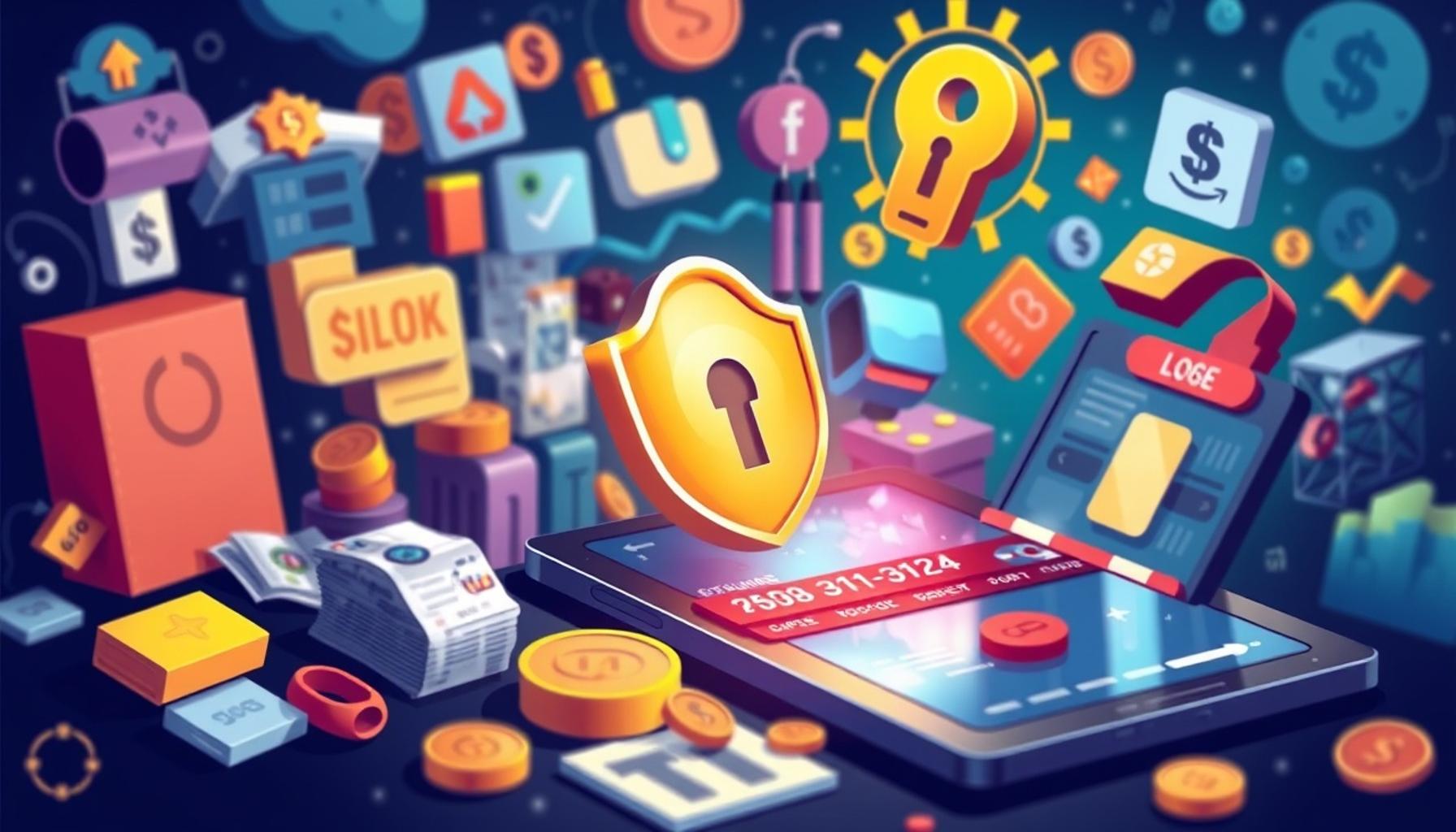
The Importance of Mobile Device Security
In an era where our smartphones and tablets act as digital lifelines, they grant us access to an expansive array of personal information. From banking apps to social media accounts, the data stored on these devices can be incredibly valuable but also incredibly vulnerable. As we weave our lives more intricately into the fabric of technology, prioritizing mobile device security becomes not only prudent but vital. Understanding the nuances of cyber threats and their growing sophistication is essential for anyone wanting to protect their private information.
Shocking Statistics That Highlight the Threat
The reality of mobile device security becomes starkly clear when examining recent statistics:
- 50% of mobile users across the globe have reported experiencing some form of cyber attack, ranging from phishing attempts to malicious software installations.
- 30% of Americans harbor a false sense of security regarding their data, underscoring a disturbing disconnect between perception and the escalating threat of hacking incidents.
- Furthermore, mobile malware surged by over 50% last year alone, illustrating how hackers are rapidly adapting their strategies to exploit vulnerabilities in mobile technology.
Proactive Steps for Enhanced Security
To navigate these risks, users must take proactive measures to fortify their mobile security. Here are several key areas to consider:
- Regular updates: Keeping your operating system and apps current is one of the most straightforward yet effective strategies for security. Developers frequently release updates to patch vulnerabilities, and ignoring these updates could leave your device exposed.
- Strong passwords: Utilizing complex passwords is essential. Consider using a combination of letters, numbers, and symbols, and explore biometric options such as fingerprint scanners or facial recognition for an added layer of protection.
- App vetting: When downloading applications, beware of the sources. Stick to reputable platforms like the Apple App Store or Google Play Store. Research apps and read reviews before installation, avoiding any that seem suspicious or have questionable user feedback.
Taking Action for Your Digital Safety
By embracing these fundamental practices, you can significantly diminish the risk of a cyber attack and better protect your privacy. Whether you are holding a brand-new smartphone equipped with the latest technology or seeking to enhance the security of an existing tablet, the journey towards securing your data is imperative and begins now. Vigilance is your ally, and staying informed about emerging threats is equally important. In this ever-evolving digital landscape, your commitment to mobile device security will make a considerable difference in safeguarding your personal information.
DISCOVER MORE: Click here for insights on boosting productivity
Understanding Common Mobile Threats
As the prevalence of smartphones and tablets continues to rise, so does the sophistication of cyber threats targeting these devices. Unlike traditional computers, mobile devices are often more vulnerable due to their size, network connectivity, and the ease of app installations. Understanding the common threats can arm users with the knowledge they need to defend against them effectively.
1. Phishing Attacks
Phishing is one of the most prevalent and hazardous cyber threats targeting mobile users. This tactic involves tricking individuals into providing sensitive information, such as passwords or credit card numbers, by masquerading as trustworthy entities. Phishing attempts often come in the form of text messages, emails, or social media notifications, and they are designed to create a sense of urgency to prompt quick action without caution. For instance, a user might receive a message that appears to be from their bank, warning them of suspicious activity, and prompting them to verify their account immediately.
2. Malware
Malware, short for malicious software, takes various forms, including viruses, worms, and spyware that can infect mobile devices. Once installed, malware can operate silently in the background, stealing personal data, logging keystrokes, or even taking control of the device. The increase in mobile malware incidents is a pressing concern, with many such attacks originating from questionable app downloads or by clicking on malicious links. Statistics show that almost 21% of mobile users have encountered malware, highlighting the need to be vigilant.
3. Unsecured Wi-Fi Connections
Using public Wi-Fi networks can significantly increase the risk of data theft. Cybercriminals often set up fake networks in public spaces, allowing them to easily intercept data transmitted from connected devices. When users connect to these unsecured networks, they may unknowingly expose sensitive information such as login credentials, bank details, and personal messages. To mitigate this threat, it’s advisable to avoid accessing sensitive accounts while connected to public Wi-Fi and to enable a VPN (Virtual Private Network) if necessary.
4. Outdated Software
Another critical vulnerability stems from outdated operating systems and applications. Cyber attackers frequently exploit known security weaknesses in older software versions. Failing to keep your device and its applications updated can put you at increased risk for attacks. In fact, 62% of security breaches result from vulnerabilities in outdated software. Regular updates not only introduce improved functionality but also critical security patches essential for protecting devices from potential exploits.
5. Lack of Device Encryption
Many users overlook the importance of encryption, which encodes data to prevent unauthorized access. Without encryption, the data stored on a mobile device, such as documents, photos, and messages, remains exposed and easily accessible to cybercriminals in the event of device theft or loss. Enabling full-disk encryption adds a strong layer of protection, ensuring that your personal information stays secure even if the device itself is compromised.
By recognizing these common mobile threats, users can better equip themselves to protect their personal data. Understanding these risks serves as the first step in building a more secure digital environment, allowing individuals to navigate the complex world of technology confidently. In the following sections, we will delve deeper into practical solutions to safeguard your mobile devices against these ever-evolving threats.
| Security Measure | Benefits |
|---|---|
| Regular Software Updates | Up-to-date systems can protect against vulnerabilities and security threats. |
| Using Strong Passwords | Helps ensure unauthorized users cannot access sensitive information. |
| Installing Security Apps | Provides monitoring for malicious activities and enhances privacy controls. |
| Avoid Public Wi-Fi | Reduces the risk of data interception while using unsecured networks. |
In the realm of mobile device security, it’s crucial to implement a multifaceted approach to safeguard your sensitive data. Regular software updates play a vital role as they patch known vulnerabilities, therefore strengthening your defense against cyber threats. Employing strong, unique passwords, especially in a world where brute-force attacks are common, becomes a fundamental layer of security that ensures unauthorized access remains at bay.Consider installing dedicated security applications that offer additional layers of monitoring and privacy controls, securing your mobile experience even further. Furthermore, while the allure of free public Wi-Fi is compelling, it’s essential to recognize the associated risks. Connecting to such networks can expose your information to prying eyes, mandating that users take caution or utilize VPNs for secure browsing.Staying informed about these measures can empower you in maintaining robust mobile device security.
DIVE DEEPER: Click here to learn more about enhancing productivity
Practical Strategies for Enhancing Mobile Security
Now that we have identified the prevalent threats to mobile device security, it is essential to explore proactive measures to safeguard our sensitive information. Implementing these strategies can significantly reduce the risks associated with data breaches, identity theft, and unauthorized access.
1. Enable Two-Factor Authentication (2FA)
Two-factor authentication (2FA) acts as an additional layer of security for your online accounts. By requiring two forms of identification, such as a password plus a verification code sent to your phone, 2FA dramatically decreases the chances of unauthorized access. As of 2022, only 20% of Americans utilized 2FA, leaving many vulnerable to cyber threats. Enabling this feature on email, banking, and social media accounts is a simple yet effective strategy to enhance security.
2. Use Strong Passwords and Password Managers
Creating strong, unique passwords for each account is vital in the battle against cyber attacks. Unfortunately, many users default to simple passwords or reuse them across various platforms. Incorporating a mix of uppercase letters, lowercase letters, numbers, and special characters can significantly strengthen password defenses. However, keeping track of multiple complex passwords can be a challenge. Hence, utilizing a password manager can help generate and store complex passwords securely, allowing users to easily access their accounts without compromising security.
3. Regularly Review App Permissions
When installing applications, users often overlook the permissions they grant. Many apps request access to sensitive information, such as contacts, location, and storage. Regularly reviewing and managing these permissions can help limit the data that third-party apps can access. In fact, 75% of mobile applications collect more data than they need, underscoring the importance of scrutinizing app behavior. It’s advisable to only download apps from reputable sources, such as the Apple App Store or Google Play Store, to reduce the risk of malware.
4. Utilize Built-in Security Features
Modern smartphones and tablets come equipped with a variety of built-in security features designed to protect user data. For example, the Find My Device feature in iOS and Android allows users to locate, lock, or erase their devices remotely if lost or stolen. Additionally, biometric security options, such as fingerprint recognition or facial recognition, provide ease of access while ensuring that only authorized users can unlock the device. Familiarizing yourself with and utilizing these features can greatly enhance your mobile device’s safety.
5. Perform Routine Backups
Despite taking the necessary precautions, data loss can still occur due to theft or device malfunction. Therefore, it is crucial to perform regular backups of your mobile device. Both Android and iOS offer user-friendly backup options, whether through cloud services or local storage. Regular backups ensure that personal information, photos, and important documents can be restored in case of a security breach or device loss. According to a survey, only 40% of smartphone users back up their data, highlighting a significant area for improvement in mobile security practices.
By actively implementing these strategies, users can optimize their mobile device security and create a more resilient defense against cyber threats. Remaining aware of the ever-evolving landscape of mobile security is crucial, and staying informed about best practices will help ensure that sensitive data remains protected in an increasingly digital world. In the next section, we will discuss more advanced security options worth exploring for even greater protection of your mobile devices.
DISCOVER MORE: Click here to enhance your team’s productivity
Conclusion: Safeguarding Your Digital Life
In an era where smartphones and tablets serve as extensions of our daily lives, prioritizing mobile device security has never been more crucial. The tips discussed extend beyond mere recommendations; they serve as essential practices for anyone looking to protect sensitive data against the ever-evolving threats in the digital landscape. By enabling two-factor authentication, using robust passwords, and regularly reviewing app permissions, users can significantly bolster their defenses against unauthorized access and data breaches.
Moreover, utilizing built-in security features and performing routine backups not only enhances security but also provides peace of mind in an age where data loss can be both a financial and emotional burden. Statistics reveal that the gap between awareness and action in mobile security practices is wide, with many users still neglecting these critical measures. For instance, only 20% of Americans take advantage of two-factor authentication. This statistic underscores a vital opportunity for improvement and empowerment.
As cyber threats continue to evolve, staying informed and proactive is imperative. Regularly updating your security practices will help safeguard your online presence, ensuring that your personal and professional data remain secure. Whether through revisiting security settings or educating oneself on the latest threats, cultivating a security-conscious mentality is the best defense. Ultimately, taking these precautions is not just about preventing loss; it’s about embracing the future of technology with confidence.
In this ever-connected world, your data deserves protection. Equip yourself with the tools and knowledge to navigate the digital landscape safely, as the responsibility for security starts with you.
Related posts:
Wi-Fi Security: Tips for Protecting Your Connection at Home and Work
How to Protect Your Online Privacy: Tools and Strategies for Safe Browsing
Tips for Using VPNs in Apps and Increasing Your Privacy
Strategies to Identify and Remove Insecure Apps from Your Device
The Role of Cryptography in Messaging Apps: Ensuring Secure Conversations
Cloud Security: Essential Tips for Protecting Your Data in Storage Services

Beatriz Johnson is a seasoned tech writer and digital tools expert with a passion for simplifying the complexities of technology and mobile applications. With over a decade of experience in the tech industry, she specializes in topics like productivity apps, software reviews, and emerging digital trends. Through her work, Beatriz empowers readers to make informed technology choices and stay ahead in the ever-changing world of apps and innovation.