
Understanding the Role of Supplements in Strength Training
As athletes and fitness enthusiasts embark on their journey to enhance strength and endurance, supplementation emerges as a pivotal component of their regimen. The science behind how supplements can influence resistance training is intricate, yet grasping these fundamentals can significantly impact performance and help achieve desired fitness milestones.
Types of Supplements and Their Benefits
Among the array of supplements available, several stand out due to their proven effectiveness in supporting muscular development and recovery.
- Protein Powders – These products, which come in various forms such as whey, casein, and plant-based options, are essential for enhancing muscle recovery and growth. Consuming protein shortly after a workout primes the muscles for repair and encourages hypertrophy, which is crucial for anyone engaging in rigorous strength training. For example, a whey protein shake taken within an hour after a workout can significantly decrease muscle soreness and inflammation, leading to quicker recovery times.
- Creatine – This naturally occurring compound is known for its ability to increase overall energy and strength output. Research indicates that creatine supplementation can improve performance in high-intensity exercises, allowing athletes to push beyond their regular limits. A classic example is sprinting or heavy lifting, where increased creatine levels can lead to more repetitions or heavier weights lifted, ultimately maximizing strength gains.
- Branched-Chain Amino Acids (BCAAs) – Comprising three essential amino acids, BCAAs are particularly influential in reducing muscle soreness and fatigue. They play a direct role in protein synthesis and can help lessen the severity of delayed onset muscle soreness (DOMS), making recovery days more productive. For instance, many athletes opt for BCAAs before or during workouts to keep muscle fatigue at bay, allowing for more sustained training sessions.
As the fitness community in the United States flourishes, the demand for effective supplementation strategies surges. With an overwhelming number of products on the market, it often becomes challenging to differentiate the genuinely effective from the mere hype. Health professionals and trainers suggest that educating oneself about supplement ingredients and potential benefits is vital for informed decision-making.
Making Informed Choices
To harness the potential of these supplements, fitness enthusiasts are encouraged to do their research, asking questions about the science behind each product. Engaging with reputable sources, like peer-reviewed studies or certified nutritionists, can illuminate the efficacy of different supplementation strategies. Moreover, maintaining a balanced diet that meets individual nutritional needs is essential—supplements should complement, not replace, whole food sources.
By understanding the specific roles that protein powders, creatine, and BCAAs play in strength training, individuals can navigate their fitness journeys more effectively, setting themselves on a path to achieving their strength and performance goals. This knowledge doesn’t just enhance training but fosters a lifelong appreciation for health and wellness.
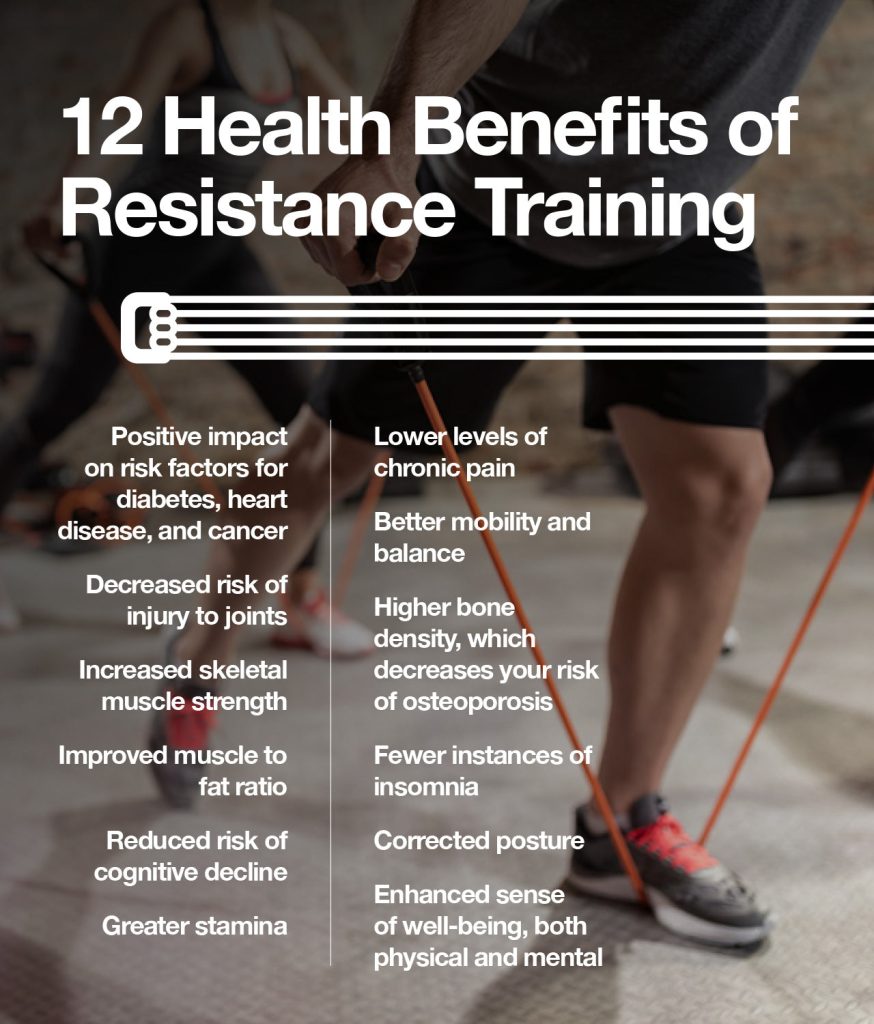
LEARN MORE: Click here to discover the benefits of weight training for your bones.
Optimizing Strength Gains Through Supplementation
In the ever-evolving landscape of fitness, understanding the role of supplementation can lead to more effective strength training outcomes. As athletes strive for greater resistance levels in their workouts, supplements can serve as a catalyst for enhancing performance, recovery, and overall muscular development. For those immersed in resistance training, knowing the various types of supplements and their respective benefits can help maximize these efforts.
Catalysts for Growth and Recovery
While engaging in consistent strength training, the body undergoes various physiological changes, including muscle fiber micro-tears that need to be repaired for growth. The types of supplements utilized can significantly influence how efficiently this recovery occurs while also enhancing overall performance in subsequent training sessions.
- Beta-Alanine – This amino acid has gained popularity for its ability to combat fatigue during high-intensity exercise. Supplementation with beta-alanine can increase carnosine levels in muscles, leading to improved endurance and reduced fatigue. A common protocol involves taking beta-alanine continuously over several weeks, with users reporting the ability to push through more reps and sets, particularly in strength training.
- Fish Oil – Known for its anti-inflammatory properties, omega-3 fatty acids found in fish oil can aid in reducing recovery time and joint soreness after intense workout sessions. The inclusion of fish oil in an athlete’s regimen has been linked to better recovery markers, allowing individuals to maintain a rigorous training schedule without succumbing to chronic soreness or injury.
- Multi-Vitamins – For those who maintain a high level of physical activity, essential vitamins and minerals can often be overlooked in daily diets. High-quality multi-vitamins can fill nutritional gaps, ensuring that the body has adequate resources to support energy production and muscle function, thus enabling athletes to perform at their best during strength training.
As the fitness market continues to expand, the challenge lies in discerning which supplements genuinely contribute to increased resistance and which products are simply weighed down by marketing hype. Many fitness experts recommend consulting with professionals, such as registered dietitians or certified trainers, to identify effective supplementation strategies tailored to individual goals and performance levels.
Integrating Supplements Into Your Routine
Understanding how to integrate these supplements into a daily routine can greatly enhance strength outcomes. It’s crucial to align supplementation timing with workout schedules for optimal results. For instance, consuming protein and creatine post-workout can maximize muscle protein synthesis and recovery, while taking beta-alanine or BCAAs before training can offer the endurance boost needed for high-rep sets.
Ultimately, supplementation in strength training is a balancing act of timing, quality, and the right choices. By equipping oneself with the knowledge of specific supplements and their effects, athletes and fitness enthusiasts can take informed steps toward accomplishing their strength training goals, all while fostering a more profound connection to their overall health and fitness journey.
| Category | Key Features |
|---|---|
| Protein Supplements | Enhance muscle recovery and growth, providing essential amino acids. |
| Creatine | Increases ATP production, boosting strength and power during workouts. |
| Branched-Chain Amino Acids (BCAAs) | Reduce muscle soreness and enhance endurance, allowing for more rigorous training. |
| Beta-Alanine | Helps delay fatigue, increasing overall exercise performance. |
Supplementation plays a pivotal role in enhancing resistance during strength training. The incorporation of products like protein supplements facilitates muscle recovery, ensuring that athletes and fitness enthusiasts can push themselves harder in subsequent workouts. Moreover, supplements such as creatine dramatically amplify the body’s ability to produce ATP (adenosine triphosphate), which directly contributes to increased strength and power. This increase can lead to better performance and faster gains in muscle mass.Branched-chain amino acids (BCAAs) serve as another fundamental addition to muscle recovery and fatigue reduction. BCAAs help minimize muscle soreness, allowing for a smoother transition into subsequent training sessions. Furthermore, beta-alanine is critical in buffering lactic acid buildup during intense exercise, which leads to improved endurance. Through understanding the nuances of each supplement type, athletes can make informed choices tailored to their specific training goals, ultimately enhancing their performance and resistance capacity.
DISCOVER MORE: Click here to learn about the impact of sleep on fat burning
Understanding Nutritional Strategies for Enhanced Resistance
While supplementation is an invaluable aspect of increasing resistance in strength training, understanding nutritional strategies will further optimize results. Tailoring dietary habits to complement supplementation enhances the body’s ability to recover, repair, and grow muscle. Nutrition and supplementation are interwoven, and when approached holistically, they create synergies that translate into improved athletic performance.
The Role of Protein in Strength Training
Protein is an essential macronutrient central to muscle repair and growth. Athletes engaged in strength training often need higher protein intake to support their increased demands. The general recommendation leans towards 1.2 to 2.2 grams of protein per kilogram of body weight, depending on training intensity and individual goals. However, relying solely on whole foods might not suffice, especially in a busy lifestyle. This is where protein supplements, such as whey or plant-based protein powders, come into play.
Whey protein, in particular, is revered for its ability to rapidly provide amino acids post-workout. Studies show that intake of whey protein following strength exercises can significantly enhance muscle protein synthesis, paving the way for increased muscle mass and recovery. Incorporating these supplements alongside a balanced diet can create a robust framework for strength training success.
Creatine: A Well-Researched Supplement
No discussion on supplementation would be complete without mentioning creatine. This naturally occurring compound, largely stored in muscle tissues, has become one of the most researched supplements in the realm of strength training. Evidence supports that creatine supplementation can lead to up to a 15% increase in strength over time, primarily by improving energy availability for high-intensity workouts.
Many athletes opt for a loading phase, where they consume higher doses of creatine (20 grams per day for about a week) followed by a maintenance dose of 3–5 grams. This strategic approach enhances muscle saturation, leading to improved performance in resistance training. With enhanced strength and power output during workouts, athletes can subsequently push for increased resistance over time, making creatine a valuable asset in any strength training regimen.
The Synergistic Effect of Combining Supplements
Combining multiple supplements, such as protein, creatine, and beta-alanine, can create a synergistic effect that further pushes the limits of resistance training. For example, integrating beta-alanine with creatine may optimize both endurance and power during exercise. Recent studies highlight that the concurrent use of these supplements can result in greater training adaptations than isolated use. Consequently, athletes can experience enhanced muscular endurance along with strength gains.
However, it is pivotal to balance supplementation with natural food sources. Whole foods not only provide essential nutrients but also promote gastrointestinal health through dietary fibers. Maintaining a diversified diet rich in fruits, vegetables, whole grains, lean proteins, and healthy fats can support the overall efficacy of supplementation, ensuring that the body is in prime condition to maximize strength training results.
Ultimately, the strategic incorporation of these nutritional strategies and supplements requires careful consideration of individual needs, goals, and responses to each supplement. By doing so, athletes can create a tailored approach that fuels not only their workouts but also their long-term health and fitness aspirations. As the dialogue around supplementation in strength training continues to evolve, staying informed about new research and trends remains essential for all who pursue their strength training objectives.
DIVE DEEPER: Click here to learn how recovery impacts fat loss
Conclusion: The Path to Enhanced Strength through Supplementation
As we delve into the intricate relationship between supplementation and increasing resistance in strength training, the evidence consistently underscores the potential benefits available to dedicated athletes. From the critical role of protein in muscle recovery to the profound impacts of creatine on strength enhancements, supplementation serves as a powerful ally in pushing the boundaries of physical performance.
Furthermore, the synergistic effect of combining various nutritional strategies indicates that thoughtfully consuming multiple supplements can lead to improved outcomes beyond individual products. This understanding fosters a holistic approach, emphasizing that proper nutrition should work hand-in-hand with supplements to maximize gains and overall health.
However, the journey to enhanced strength involves more than reliance on pills and powders. A balanced diet rich in whole foods is imperative for optimal results, providing key nutrients and promoting gut health that supplements alone cannot replicate. Athletes must consider their unique needs and personal responses, tailoring their supplementation regimen for the best effects.
In conclusion, navigating the evolving landscape of supplementation and its role in strength training paves the way for not just improved performance but also informed, health-conscious fitness practices. To reach the next level of strength and endurance, athletes must stay informed about the latest research and continue to seek out innovative ways to fuel their bodies. As this dialog progresses, the integration of science-backed supplementation into robust training programs will undoubtedly shape the future of strength training.
Related posts:
The Role of Music and Rhythm in Improving Endurance During Training
Resistance Training Strategies for Endurance Athletes
The Importance of Rest and Recovery in Improving Endurance in Weight Training
The Science of Resistance: How Strength Training Increases Endurance
The Role of Recovery and Sleep in Enhancing Endurance during Training
High-Intensity Training Programs to Maximize Endurance in the Gym

Beatriz Johnson is a seasoned fitness specialist and writer with a passion for simplifying the complexities of strength training and gym workouts. With over a decade of experience in the fitness industry, she specializes in topics like weight training techniques, workout programming, and exercise science principles. Through her work, Beatriz empowers readers to make informed fitness decisions, build sustainable training habits, and stay ahead in their journey toward stronger, healthier bodies.