
Understanding the Connection Between Genetics and Muscle Growth
Have you ever wondered why some people seemingly bulk up with ease while others struggle despite hard work? The answer could lie in your DNA.
Genetics play a pivotal role in muscle growth, influencing various factors that dictate your fitness journey. This genetic foundation not only shapes your physical potential but also provides insights into how your body responds to exercise, recovery, and nutrition. Consider the following aspects:
- Muscle Fiber Composition: Muscle fibers can be broadly categorized into two types: slow-twitch and fast-twitch fibers. Slow-twitch fibers are designed for endurance activities like long-distance running, whereas fast-twitch fibers are geared for explosive strength and power, like sprinting and weightlifting. Individuals with a higher proportion of fast-twitch fibers often excel in power sports. For instance, sprinters and powerlifters typically have a greater percentage of these fibers, enhancing their performance significantly.
- Hormonal Regulation: Hormones play a crucial role in muscle development. Testosterone and growth hormone are two key players that can vary significantly between individuals. For instance, studies show that men generally have higher testosterone levels, which contributes to increased muscle mass compared to women. However, some women might produce higher testosterone levels naturally, allowing for more muscle growth than typical, showcasing that genetics sets the stage for individual hormonal balance.
- Recovery Time: Genetic makeup influences how quickly muscles recover after intense workouts. Some people may find that they can train more frequently without succumbing to fatigue, while others need more downtime between sessions. This recovery ability can impact the overall training volume and intensity one can effectively handle, ultimately influencing muscle growth results.
Moreover, research indicates that your genetic profile can dictate not only how effectively you gain muscle, but also how much effort is required. The basis of muscle development extends to additional critical aspects:
- Response to Training: Genetic predispositions significantly affect how individuals respond to various training regimens. Some athletes may experience rapid gains from strength training, while others find that progress is more gradual, requiring adjustments in their workout approach. Tracking your progress and adapting to your body’s responses can help tailor a plan that optimizes muscle gain.
- Fat Loss: Genetics also influence how easily you can shed excess fat, which is crucial for muscle definition. Some individuals have a genetic propensity to store fat, making it harder to achieve that lean, sculpted look. Understanding these tendencies can aid in developing a more effective fat-loss strategy through diet and exercise.
- Nutritional Needs: Your body might require specific nutrients based on its genetic blueprint. For instance, those with certain genetic variants may have a higher protein requirement for muscle repair and growth. Recognizing and adjusting your diet accordingly can provide a significant edge in achieving optimal fitness results.
As we delve deeper into the fascinating world of genetics and muscle growth, it becomes clear that both physical effort and biological factors are critical players. Understanding these components can empower you to make informed decisions about training, nutrition, and recovery, maximizing your strength potential. Are you ready to unlock the secrets hidden in your genes and push your fitness journey to new heights?
LEARN MORE: Click here to dive deeper
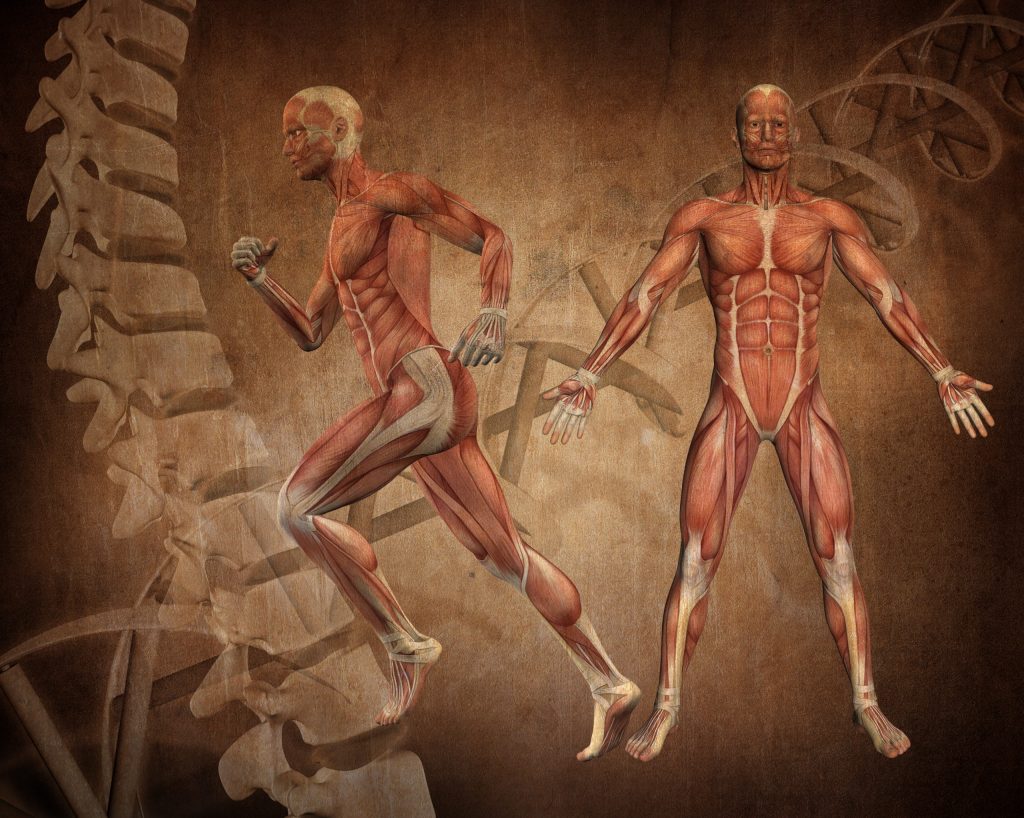
Genetic Variability: The Spectrum of Muscle Growth Potential
When it comes to muscle growth, genetic variability is a fascinating component that can make the difference between an avid gym-goer and an elite athlete. This variation isn’t merely a result of chance; it’s deeply rooted in the intricate biological structures found within our DNA. Understanding these genetic nuances can illuminate why certain individuals may experience gains more readily than others, ultimately leading to more personalized and effective training approaches.
A compelling aspect of muscle growth genetics is the existence of key genes that influence muscle mass and strength. Two notable genes have emerged in research: the ACTN3 gene and the IGF-1 gene. The ACTN3 gene is responsible for the production of a protein critical in fast-twitch muscle fibers, which allow for sprinting and powerlifting. Those carrying a specific variant of this gene are often characterized by a significant increase in power and strength capabilities. Conversely, individuals with a different allele may not exhibit the same explosive strength attributes—this invites an important question: are some of us simply built for endurance, while others are designed for speed?
Another influential player, the IGF-1 gene, is involved in the regulation of muscle cell growth and repair. Variations in this gene can significantly affect how efficiently an individual can build muscle mass. Research has shown that individuals with specific IGF-1 variants may experience enhanced muscle hypertrophy, allowing for increased gains from resistance training. Such genetic insights guide athletes and trainers alike to tailor their programs, maximizing their unique abilities.
As we explore the connection between these genes and muscle growth, it’s crucial to take into account how various factors intertwine with genetics—notably, environmental influences like nutrition, training regimens, and lifestyle choices. While we may be limited by our genetic makeup, the right exercise and dietary strategies can help push our physical boundaries. Here are a few components to consider when crafting a muscle growth plan:
- Personalized Training Programs: Knowing your genetic predisposition allows you to adopt a training regimen that plays to your strengths. For example, if you are genetically inclined toward fast-twitch muscle fibers, incorporating explosive lifting techniques may yield better results than solely focusing on endurance exercises.
- Nutrition Tailoring: Genetics can influence how your body processes nutrients. Some individuals digest protein differently or have varying requirements for macronutrients. Understanding these distinct needs can help fine-tune meal plans to maximize muscle growth.
- Mindful Recovery: Considering your genetic recovery abilities can be a game-changer. Those with faster recovery genes may sustain a higher frequency of workouts, while others may need to emphasize rest to promote growth.
As the understanding of genetics in the realm of muscle growth deepens, we are tasked with leveraging this knowledge for optimal outcomes. While your DNA sets the foundation, the choices you make in your training and lifestyle ultimately shape your gains. So, could your genetics be the missing link in the pursuit of your fitness aspirations? The answer may lie just beneath the surface of your cells, waiting to be uncovered.
Understanding Genetic Variability in Muscle Composition
Genetic variability plays a crucial role in determining muscle composition and overall growth potential. The concept of muscle fibers is pivotal here; individuals can be classified principally into two types of muscle fibers: Type I (slow-twitch) and Type II (fast-twitch). Type II fibers are often associated with greater potential for hypertrophy, leading to the observable muscle gains many seek in fitness. Recent studies have suggested that certain genetic markers affect the distribution of these fiber types in our muscles, and individuals with a predisposition for a higher proportion of Type II fibers may experience enhanced muscle growth from strength training.
The Role of Genetic Markers in Strength Potential
Emerging research has identified a number of specific genetic markers that correlate with strength and power output. For example, the ACTN3 gene is notably associated with elite sprinting capabilities and strength performances. Individuals carrying a dominant allele of this gene often possess a muscle composition favorable for explosive strength and power activities. Understanding these genetic components can provide invaluable insights into personalized training regimens, enabling athletes and fitness enthusiasts to tailor their workout plans for optimal results based on their unique genetic make-up.
Epigenetics: The Influence of Environment on Gene Expression
Beyond the static nature of our DNA lies the fascinating field of epigenetics. Environmental factors such as diet, physical activity, and even stress levels can influence how our genes are expressed. For instance, nutrition plays a vital role in muscle repair and growth, and specific dietary choices can trigger epigenetic changes that enhance muscle synthesis. By understanding this interplay between genes and environmental factors, individuals can harness their genetic predispositions to achieve better muscle growth outcomes through lifestyle adjustments. This line of inquiry not only opens doors for future research but also allows individuals to adopt a more holistic approach to their fitness aspirations by aligning their training and nutrition with their genetic profiles. These insights into genetics and their implication in muscle growth underscore the importance of personalized fitness strategies. Embracing the unique traits of one’s genetic makeup may very well be the key to unlocking potential gains and optimizing performance in the realm of physical fitness. As we delve deeper into the genome, the potential for breakthroughs in training methodologies continues to expand, promising a future where science and fitness intersect more profoundly than ever before.
DISCOVER MORE: Click here to learn about training volume and intensity
Unlocking the Genetic Code: Hormones and Muscle Growth Regulation
In addition to specific genes like ACTN3 and IGF-1, the role of hormones in muscle growth deserves significant attention. Hormonal responses to exercise can differ widely among individuals, and these variations are often dictated by genetic factors. Two hormones critical in this regard are testosterone and growth hormone, which play pivotal roles in muscle repair, growth, and overall body composition.
Testosterone, a vital testosterone hormone, has long been associated with increased muscle mass and strength. Research indicates that individuals with a higher natural baseline of testosterone develop muscle more efficiently. Genetic polymorphisms, or variations in specific genes related to androgen receptors, can influence how effectively the body responds to testosterone, thus affecting muscle hypertrophy. Those with a more efficient hormonal response often experience pronounced gains in strength and size after resistance training. On the other hand, individuals predisposed to lower testosterone activity may need to employ specialized training programs and nutritional strategies to optimize their muscle-building potential.
Growth hormone is another essential player in the realm of muscle growth. It promotes tissue growth and repair, particularly after exercise. Genetic variations that influence the secretion rates of growth hormone can have a significant impact on an individual’s recovery abilities and muscle growth outcomes. Those who inherit a genetic predisposition for robust growth hormone secretion may respond better to high-intensity workouts, effectively stimulating muscle repair and growth. For many, understanding their genetic disposition towards growth hormone can empower them to design training regimens that capitalize on their body’s natural strengths.
Additionally, embracing the concept of muscle fiber composition helps bridge the gap between genetics and muscle growth. Muscle fibers can be classified primarily into two categories: fast-twitch fibers, ideal for explosive movements, and slow-twitch fibers, which are more suited for endurance activities. The ratio of these fibers in an individual is largely determined by genetics, influencing not only how one responds to workouts but also which type of training will yield the best results. A study published in the journal “Physiology” highlights how elite sprinters possess a higher proportion of fast-twitch fibers compared to endurance athletes, underscoring the importance of genetically driven muscle fiber composition. Tailoring training based on these inherent attributes can enhance performance and results.
Lastly, it is critical to understand the role of epigenetics—the study of biological mechanisms that switch genes on and off—in muscle growth. Environmental factors such as exercise, diet, and stress levels can trigger epigenetic changes, potentially amplifying or mitigating genetic predispositions. For instance, a balanced diet rich in protein and essential nutrients can optimize gene expression related to muscle growth, aligning your lifestyle choices with your genetic potential. This interplay suggests that while your DNA provides a blueprint, your lifestyle can fine-tune the realization of that potential.
As the exploration of genetic influences on muscle growth continues, it is evident that a complex web of factors, including hormones, fiber composition, and epigenetic signals, contributes to individual variations in muscle-building outcomes. Ultimately, understanding these genetic intricacies can provide a roadmap for athletes and fitness enthusiasts in their quest for greater gains, proving that success in muscle growth goes beyond mere hard work; it is a nuanced interaction between genetics and lifestyle.
DIVE DEEPER: Click here to discover more
Conclusion: The Interplay of Genetics and Muscle Growth
In the quest for optimizing muscle growth, the role of genetics emerges as a cornerstone of understanding how individuals respond to training regimens. The interplay between genetic predispositions—encompassing factors such as hormonal responses, muscle fiber composition, and epigenetic influences—creates a highly personalized landscape of potential gains. As we have explored, genes like ACTN3 and differences in testosterone and growth hormone activity play significant roles in determining one’s ability to build muscle effectively.
Moreover, recognizing the significance of muscle fiber composition allows individuals to tailor their training strategies for optimal results. Those with higher fast-twitch fiber ratios may excel in strength training, while those with a predominance of slow-twitch fibers might find greater success in endurance activities. Understanding these unique genetic profiles enables fitness enthusiasts and athletes to adapt their workouts to align with their inherent strengths.
Equally important is the role of epigenetics, illustrating that while our DNA establishes a blueprint, lifestyle choices—such as nutrition, exercise, and stress management—can profoundly influence gene expression and, consequently, muscle outcomes. This dynamic relationship calls for a comprehensive approach to training, where individual genetic makeup is woven into the fabric of one’s fitness strategy.
Ultimately, those seeking to maximize their muscle-building potential must recognize that success is not solely a product of dedication and effort; it is a harmonious blend of genetic and environmental factors. By embracing the intricate connections between genetics and muscle growth, individuals can navigate a more informed path toward achieving their fitness goals. As research continues to unfold, the future holds exciting possibilities for unlocking the full potential of our unique genetic compositions.
Related posts:
The Role of Recovery in Muscle Development: How Rest Affects Gains
The Impact of Training Volume and Intensity on Muscle Growth
The Importance of Progressive Overload: Techniques to Continuously Stimulate Muscle Growth
Nutrition for Muscle Growth: Essential Macronutrients and Timing Strategies
Nutrition Strategies for Maximizing Muscle Gains: What to Eat Before and After Workouts
Psychological Factors in Muscle Growth: The Role of Motivation and Mindset in Achieving Fitness Goal...

Beatriz Johnson is a seasoned fitness specialist and writer with a passion for simplifying the complexities of strength training and gym workouts. With over a decade of experience in the fitness industry, she specializes in topics like weight training techniques, workout programming, and exercise science principles. Through her work, Beatriz empowers readers to make informed fitness decisions, build sustainable training habits, and stay ahead in their journey toward stronger, healthier bodies.