
Unlocking Your Potential Through Nutrition
As weight trainers, we often focus on physical techniques to enhance our performance. However, nutrition plays a pivotal role in maximizing endurance and overall strength. To truly elevate your workouts, understanding what you fuel your body with is essential.
Many athletes overlook the profound impact that food can have on their training sessions. Serious weight lifters and fitness enthusiasts must shift their focus to not just lifting techniques, but to the strategic planning surrounding their dietary habits. The foods you consume can be the difference between a mediocre session and an extraordinary one. Here are some critical nutritional strategies to consider:
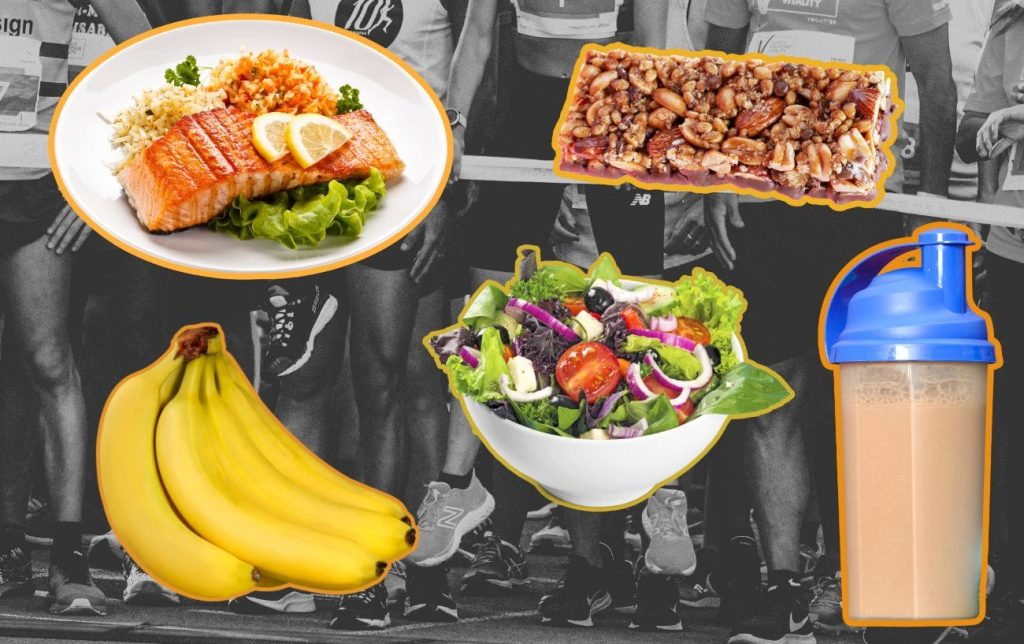
- Carbohydrate Timing: Consuming the right carbs before and after workouts can significantly boost your energy levels. For instance, eating a banana or a granola bar about 30 minutes prior to lifting can provide the quick energy required for high-intensity sessions. Additionally, post-workout carbs, like sweet potatoes or oatmeal, replenish glycogen stores that get depleted during your training, aiding in recovery and preparation for your next session.
- Protein Intake: Adequate protein is vital for muscle recovery and growth, enhancing your endurance for intense lifts. Research suggests that consuming 20-30 grams of protein within 30 minutes after your workout can stimulate muscle protein synthesis. Foods like grilled chicken, Greek yogurt, or a protein shake are excellent options that support your goals while delivering essential amino acids for muscle repair.
- Hydration: Staying hydrated is crucial for maintaining performance. Dehydration can lead to fatigue and decreased output, which is detrimental when trying to push your limits. Aim to hydrate before, during, and after workouts, and consider beverages that replenish electrolytes when training intensely. A simple rule of thumb is to drink at least half your body weight in ounces of water each day to maintain optimal hydration levels.
Research indicates that the right nutrients not only support physical exertion but also aid in recovery. With a strategic approach to diet planning, athletes can tap into greater stamina and resilience. Proper nutrition acts as your foundation—without it, your physical training can suffer, leading to burnout or injury.
In this article, we will explore various nutritional tactics designed to enhance your weight training endurance. From specific food choices to timing strategies, each element can contribute to improved performance and longevity in your fitness journey. For those in the United States, it may be helpful to explore local markets and health food stores that provide fresh, whole foods, aligned with these nutritional principles. Embrace this comprehensive guide as a means to not only fuel your workouts but to cultivate a sustainable and healthy lifestyle.
LEARN MORE: Click here for essential insights
Energy Sources: The Key Players in Your Diet
When it comes to enhancing your endurance during weight training, understanding the energy sources your body uses becomes paramount. Carbohydrates, proteins, and fats each serve distinct purposes that cater to different aspects of your performance and recovery.
Carbohydrates are the primary fuel source for high-intensity workouts. They break down into glucose, providing the energy required for both anaerobic and aerobic activities. This is particularly important for weight trainers who are often engaging in short bursts of intensive lifting. Complex carbohydrates, such as whole grains, beans, and legumes, should be emphasized in your diet because they offer slow-releasing energy, which prevents fatigue during workouts. For sustained energy, recommend aiming for about 45-65% of your total daily calories from carbohydrates, depending on your training intensity and goals.
Proteins play a crucial role in muscle repair and growth. After a demanding training session, your body needs protein to help rebuild muscle fibers that sustain micro-tears during lifting. The general guideline for protein intake is around 1.6 to 2.2 grams of protein per kilogram of body weight, depending on your individual training demands. Incorporating rich sources of protein like fish, poultry, eggs, and plant-based options such as lentils and chickpeas will not only support your strength goals but also improve your endurance levels over time.
Fats also have a significant role, especially during prolonged exercise sessions. They provide a concentrated source of energy and help with the absorption of essential vitamins. Healthy fats, such as avocados, nuts, seeds, and olive oil, should not be neglected when crafting an endurance-boosting diet. Generally, fats should account for around 20-35% of your daily calorie intake, ensuring that you’re fueling your body correctly while allowing for optimal muscle performance.
Micronutrients Matter
While macronutrients are critical for energy and recovery, micronutrients—vitamins and minerals—also significantly influence your endurance levels. Nutrients like iron, calcium, and magnesium are pivotal in energy metabolism and muscle contraction. For instance, iron is vital for transporting oxygen in your blood, which is crucial during intense workouts. Athletes, particularly those on plant-based diets, should monitor their iron levels to prevent fatigue.
- Vitamin D: Essential for calcium absorption and muscle function. Sun exposure and fortified foods can help meet your needs.
- Magnesium: Plays a role in muscle relaxation and recovery. Include sources like nuts, seeds, and leafy greens.
- Zinc: Important for immune function and recovery from intense workouts. Meat, legumes, and whole grains are good sources.
By ensuring a well-rounded intake of macronutrients and micronutrients, weight trainers can enhance their endurance and performance longevity. The next section will delve deeper into meal timing, helping you discover how to optimize your nutrition around workouts for maximum effects.
| Category | Key Features |
|---|---|
| Macronutrient Balance | Maintaining a balanced intake of protein, carbohydrates, and fats is essential for muscle recovery and energy production. |
| Hydration Strategies | Proper hydration enhances muscle performance and decreases the likelihood of cramping during intense workouts. |
| Timing of Nutrient Intake | Eating strategically timed meals can optimize recovery and energy levels before and after workouts. |
| Supplementation | Incorporating ergogenic aids like creatine and beta-alanine can further enhance endurance performance in weight training. |
In developing nutritional strategies tailored for endurance in weight training, attention to macronutrient balance becomes pivotal. An adequate supply of carbohydrates ensures adequate energy levels, while proteins are crucial for muscle repair. Fats shouldn’t be overlooked as they play a significant role in prolonged exercise performance.Equally important is the timing of nutrient intake. Consuming easily digestible carbohydrates before workouts can sustain energy, while protein intake after workouts facilitates recovery, reinforcing muscle gains. Implementing hydration strategies is vital; dehydration can drastically affect performance, emphasizing the need for fluid replenishment during physical activity. Lastly, exploring the advantages of supplementation can provide additional support in one’s training regimen. Strategies involving performance-boosting supplements like creatine may further support and enhance endurance in weight training. Continuing to evaluate and adapt these strategies can lead to improved workouts and results over time.
DISCOVER MORE: Click here to learn advanced training techniques
Meal Timing: Fueling Your Workouts
Understanding meal timing is pivotal in maximizing endurance during weight training. The strategic scheduling of your meals can significantly enhance energy levels, recovery, and overall performance. The pre-workout, during workout, and post-workout meal phases play unique roles that can evolve your training regimen from ordinary to extraordinary.
Pre-Workout Nutrition
What you eat before your workouts sets the tone for your performance. Ideally, a pre-workout meal should be consumed around 30 minutes to 2 hours prior to weight training. This meal should be rich in carbohydrates to energize your muscles while incorporating some protein for muscle preservation. An example could be a banana with a scoop of peanut butter or a smoothie with Greek yogurt and mixed berries. Such options provide the necessary glycogen stores to fuel your lifts, allowing for greater endurance during training sessions.
Additionally, timing is vital when considering hydration. Dehydration can greatly impair your ability to perform at optimal levels. It is recommended to drink water consistently throughout the day, and particularly to aim for at least 500ml of water about an hour before working out. Alternatively, for those engaging in longer, more intensive training sessions, electrolyte drinks can be beneficial in replenishing lost fluids and salts.
During Workout Strategies
During extended weight training sessions, especially those lasting over an hour, your body may require additional nutrients to maintain performance. This is where intra-workout nutrition comes into play. Consuming easily digestible carbohydrates, such as sports gels or drinks that provide around 30-60 grams of carbs per hour, can help sustain your energy levels. These quick sources of carbohydrates keep your blood sugar stable and can prevent that dreaded mid-session slump.
Some athletes may also benefit from adding BCAAs (branched-chain amino acids) during their workouts. Taken in small doses, BCAAs can help reduce muscle damage, reduce fatigue, and consequently enhance endurance, allowing you to push harder for longer.
Post-Workout Recovery
Post-workout nutrition is just as crucial as pre-workout planning. After an intense lifting session, your muscles are primed for recovery, making this an optimal time to consume nutrients. The general guideline suggests enjoying a meal or snack within 30 minutes to 2 hours post-workout. This meal should consist of a balance of carbohydrates and protein to replenish glycogen stores and aid muscle repair. A protein shake with a scoop of carbohydrate powder, or a turkey sandwich on whole grain bread, can serve as effective recovery solutions.
Beyond just protein and carbs, consider including a source of antioxidants, such as berries or dark leafy greens. These can help combat oxidative stress caused by intense training and contribute to overall recovery and endurance. Consistent attention to your post-workout nutrition can significantly facilitate muscle recovery and prepare your body for subsequent training sessions.
Addressing the aspect of meal timing, in conjunction with appropriate nutrient choices, can dramatically improve your endurance and performance in weight training. All athletes, whether novice or advanced, would greatly benefit from implementing these strategies as part of their comprehensive nutritional approach to endurance enhancement.
DISCOVER MORE: Click here to learn how to enhance your fat-burning efforts
Conclusion: Elevating Performance Through Nutrition
Implementing nutritional strategies to enhance endurance in weight training is no longer a mere suggestion; it is increasingly becoming a necessity for athletes aiming for optimal performance. As we discussed, the importance of meal timing cannot be overstated. By strategically planning pre-workout, intra-workout, and post-workout nutrition, individuals can effectively fuel their bodies, improve their energy levels, and enhance overall training outcomes.
Pre-workout meals rich in carbohydrates and protein set a solid foundation for endurance, while intra-workout strategies, like consuming easily digestible carbohydrates or BCAAs, can sustain performance during extended sessions. Moreover, the recovery phase after workouts plays a critical role in muscle replenishment and adaptation, making balanced post-workout nutrition essential.
Beyond the technical aspects of what to eat and when, it’s important for athletes and fitness enthusiasts to remain adaptable and listen to their bodies. Every individual’s nutritional needs may differ; hence, experimenting with various food sources and timings can lead to personalized strategies that optimize performance. Ultimately, integrating these nutritional principles into your training regimen can not only improve endurance but also cultivate a more informed and enjoyable approach to weight training.
As you venture forward in your fitness journey, consider embracing this comprehensive view of nutrition as a powerful ally in realizing your training ambitions. The journey to enhanced endurance doesn’t just lie in lifting heavier weights; it lies in the smart choices you make both in the kitchen and at the gym.
Related posts:
The Importance of Rest and Recovery in Improving Endurance in Weight Training
The Science of Resistance: How Strength Training Increases Endurance
The Impact of Periodization on Endurance Increase in Weight Training
Breathing Techniques to Increase Endurance During Strength Training
Functional Exercises to Increase Endurance in Strength Activities
Supplementation and Its Effect on Increasing Resistance in Strength Training

Beatriz Johnson is a seasoned fitness specialist and writer with a passion for simplifying the complexities of strength training and gym workouts. With over a decade of experience in the fitness industry, she specializes in topics like weight training techniques, workout programming, and exercise science principles. Through her work, Beatriz empowers readers to make informed fitness decisions, build sustainable training habits, and stay ahead in their journey toward stronger, healthier bodies.