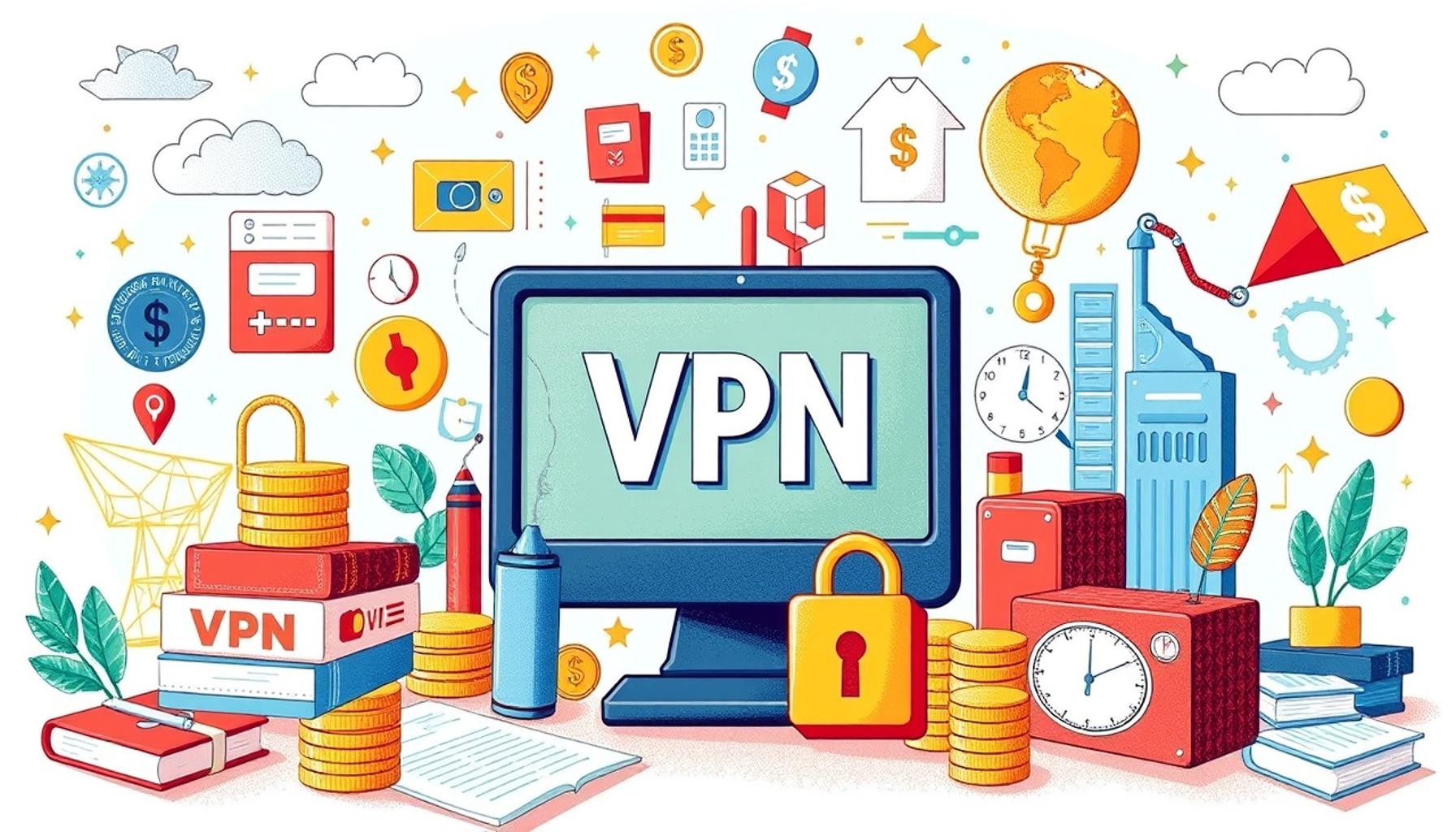
How to Use VPNs to Protect Your Privacy in Applications
The Growing Importance of Digital Privacy
As the technology landscape continues to evolve, the complexities surrounding online privacy and security have magnified. The rampant collection of personal data by various applications—from social media platforms to e-commerce websites—means that individuals are often unaware of how exposed their private information truly is. With reports of high-profile data breaches frequently making headlines, it becomes more vital than ever to take proactive steps to protect one’s personal information. One of the most effective strategies is the use of a Virtual Private Network (VPN), which aids in establishing a shield between you and your online activities.
How VPNs Work: A Closer Look
VPNs operate on a simple yet powerful premise. When you connect to the internet through a VPN, your connection is routed through a secure server. This process provides multiple layers of protection:
- Encrypting your data: Advanced encryption protocols scramble your information, rendering it illegible to anyone trying to intercept it. This means that sensitive data, such as login credentials or payment information, are safe from hackers.
- Masking your IP address: By replacing your actual IP address with one from the VPN server, your real location and identity remain hidden. This anonymity is vital for thwarting tracking from websites and applications that collect user data for targeted advertising.
- Bypassing geo-restrictions: VPNs provide access to content that may be otherwise unavailable in your region. For instance, streaming services like Netflix and Hulu have different content libraries based on geographic locations. A VPN allows you to watch shows and movies available in other countries, expanding your viewing options dramatically.
The Need for VPNs in the United States
The current climate in the United States, marked by increasing incidents of data breaches and growing surveillance measures, reinforces the necessity for a reliable VPN. According to statistics, nearly 30% of Americans have experienced a data breach or cybersecurity incident, highlighting the vulnerability of personal information in the digital age. Moreover, governmental surveillance concerns have led to a heightened awareness of privacy rights, prompting more individuals to look toward VPNs as a solution.
Incorporating a VPN into your daily online habits is straightforward. Many VPN services provide user-friendly applications that can be easily installed on computers and mobile devices. Once set up, you can surf the internet, access social media, or browse e-commerce sites with greater peace of mind, knowing that your connection is protected.
Understanding and utilizing VPNs not only fortifies your online security but also empowers you to take charge of your digital footprint. With the right tools and knowledge, navigating today’s internet becomes less daunting and more rewarding. As cyber threats evolve, so too must your approach to privacy. Dive deeper into the world of VPNs and equip yourself with the ability to safeguard your personal information in an increasingly interconnected world.
EXPLORE MORE: Click here to learn how to boost your team’s productivity
Leveraging VPNs for Enhanced Privacy in Applications
With the digital landscape filled with various applications that require personal information, the potential for data extraction by third parties has never been higher. Applications often collect data ranging from user preferences and location to even communication habits, which raises legitimate concerns about privacy. Therefore, using a VPN (Virtual Private Network) is not just a measure—it’s a necessity for individuals keen on preventing their sensitive information from falling into the wrong hands.
To harness the full privacy benefits of VPNs in applications, it’s crucial to understand how to effectively integrate this tool into your online activities. Here’s how you can get started:
- Select a Reputable VPN Service: Not all VPNs are created equal. When choosing a VPN, look for one with a solid track record for privacy protection, user-friendly interface, and a no-logs policy. Reputable options include providers like ExpressVPN, NordVPN, and CyberGhost. These services prioritize user anonymity and offer multiple server locations, which can help with connection speed while maintaining security.
- Download and Install the VPN Application: Most VPN providers offer straightforward installation processes for various devices. Once downloaded, follow the setup instructions provided by your chosen VPN service to ensure proper configuration.
- Connect to a Secure Server: After installation, log into your VPN application and select a server to connect to. Keep in mind that opting for a server closer to your actual geographic location may yield better speeds. However, if your primary goal is to mask your IP address and evade local restrictions, you may choose a server from a different country altogether.
Once connected, you can enjoy enhanced privacy that extends to all applications installed on your device. This means that your browsing habits within social media apps, payment applications, and even messaging services are cloaked from prying eyes. In an era where data mining is rampant, this level of protection is crucial.
Protecting Your Privacy on Mobile Applications
The rise of mobile applications has made it even easier for companies to access user information, often without explicit consent. By utilizing a VPN on your smartphone or tablet, you can ensure that your mobile activities remain private. When using apps such as banking or shopping platforms, a VPN encrypts your data and shields it against potential threats.
Mobile operating systems typically allow you to configure a VPN directly in the settings, granting applications running on your device access to the secure channel. This means that whenever you open an app, your connection remains protected, significantly reducing the risks of exposing personal information.
Incorporating a VPN into your application usage brings forth a shield of security, ensuring your information is not easily accessible to anyone. This aligns perfectly with the growing recognition that privacy is a fundamental right in today’s interconnected world.
| Advantage | Description |
|---|---|
| Enhanced Security | Using a VPN helps secure your internet connection by encrypting data, making it difficult for attackers to intercept personal information. |
| Anonymity | VPNs mask your IP address, allowing you to use applications without revealing your real location and identity, thus protecting your privacy. |
| Access to Geo-Restricted Content | With a VPN, you can bypass regional restrictions on applications, enabling access to services that may otherwise be unavailable in your area. |
| Protection from ISP Tracking | Using a VPN prevents your Internet Service Provider from tracking your online activities, offering you a higher level of privacy. |
| Data Integrity | VPNs maintain the integrity of the data you send and receive, ensuring that no unauthorized parties can alter your information while in transit. |
Incorporating the use of VPNs within applications enhances not just peace of mind but also signals to users that their privacy is a paramount concern. As data breaches become more prevalent, harnessing the protective benefits of a VPN is no longer just an option; it’s a necessity for maintaining security in an increasingly digital world. For individuals keen on safeguarding their personal information, leveraging VPN technology offers an effective solution that goes hand in hand with using applications that might otherwise compromise user data.
DISCOVER MORE: Click here to learn about collaborative tools
Using VPN Features to Maximize Your Application Privacy
While simply utilizing a VPN provides a strong foundation for protecting your privacy, digging deeper into the features offered by your VPN service can significantly enhance your privacy efforts. Many modern VPNs come equipped with advanced tools that cater specifically to application security and user anonymity. Here are several features worth considering:
- Kill Switch: One of the most critical features to look for in a VPN is the kill switch. This function automatically disconnects your device from the internet if the VPN connection fails. This feature ensures that no unencrypted data is transmitted over the internet, effectively safeguarding your information during any unexpected disconnects.
- Split Tunneling: Split tunneling allows users to choose which applications will go through the VPN and which will connect directly to the internet. This is particularly useful for applications that necessitate a local connection, such as online banking, while still enabling privacy for other apps that deal with sensitive data.
- DNS Leak Protection: Even the most secure VPN can potentially leak information through DNS requests if not properly configured. Ensure your VPN includes DNS leak protection, which prevents your device from accidentally revealing the true IP address when querying domain names. This feature keeps your browsing activities under wraps even when using applications.
While these features provide robust security, it is also essential to maintain vigilance beyond simply connecting to a VPN. Regularly updating your applications ensures that you incorporate the latest security patches and fixes that developers release to combat vulnerabilities. In addition, consider the permissions you grant to applications on your devices. Many mobile apps prompt for access to your location, contacts, and camera. A prudent approach is to limit access to only what’s necessary for the app’s functionality.
VPN Usage for Public Wi-Fi
One of the most common scenarios where privacy becomes paramount is while using public Wi-Fi networks. Whether at a coffee shop, airport, or library, these networks often lack robust security, making it easy for cybercriminals to intercept personal data. By using a VPN in these environments, you ensure that your data is encrypted, thwarting potentially malicious actors who might attempt to hijack your connection.
When connected to public Wi-Fi, always activate your VPN to establish a secure tunnel for your internet traffic. It’s essential to remember that many applications, even those that seem benign, can still have susceptibility to data extraction. Thus, your VPN acts as a necessary layer of defense against snooping, data breaches, or unauthorized access.
Maintaining Privacy Beyond the VPN
While a VPN is an invaluable tool for protecting your privacy, it’s crucial to adopt a holistic approach to online security. Utilize additional privacy tools such as ad blockers and privacy-focused browsers that limit tracking by third-party cookies. These tools can work synergistically with your VPN to forge a formidable barrier against pervasive data collection practices.
As the technological landscape evolves, staying informed about your privacy options in applications is more critical than ever. Engaging with forums, reading reviews about the latest privacy practices, and understanding the applications you use are vital steps everyone can undertake to safeguard their digital lives.
DISCOVER MORE: Click here for insights on collaborative tools
Conclusion: Empowering Your Online Privacy with VPNs
In an age where digital privacy is increasingly under siege, leveraging VPNs to protect your privacy in applications has never been more crucial. With the ever-growing list of potential cyber threats lurking behind the screens, adopting a VPN is a proactive step toward safeguarding your personal data. By utilizing essential features such as kill switches, split tunneling, and DNS leak protection, you can significantly enhance your privacy posture against uninvited attention from hackers and data miners alike.
Moreover, the importance of maintaining vigilance goes beyond just relying on a VPN. Keeping applications updated and carefully managing the permissions you grant can provide additional layers of security. Being mindful of what data you share with apps protects you from unnecessary exposure. Additionally, utilizing public Wi-Fi networks responsibly is crucial; always activate your VPN in these environments to secure your sensitive information from prying eyes.
The journey toward achieving comprehensive privacy does not end with a VPN. Complementing your VPN usage with ad blockers, privacy-focused browsers, and an informed understanding of application practices enhances your defense against pervasive tracking and data collection.
As the conversation around digital privacy continues to evolve, staying informed and proactive is your best defense. Engage in community discussions, explore privacy frameworks, and arm yourself with knowledge about the software you use. By doing so, you place the power of privacy back into your hands while navigating the app ecosystem securely.
Related posts:
Tips to Recognize and Avoid Malicious Apps on Your Device
The Role of Cryptography in Messaging Apps: Ensuring Secure Conversations
Monitoring Suspicious Activities: Tools to Enhance Online Account Security
How to Monitor and Manage Security Updates for Your Applications
Tips to Recognize and Avoid Malicious Apps on Your Device
Best Practices to Protect Your Passwords in Finance Apps

Beatriz Johnson is a seasoned tech writer and digital tools expert with a passion for simplifying the complexities of technology and mobile applications. With over a decade of experience in the tech industry, she specializes in topics like productivity apps, software reviews, and emerging digital trends. Through her work, Beatriz empowers readers to make informed technology choices and stay ahead in the ever-changing world of apps and innovation.