The Influence of Simple Décor on Productivity: Creating Efficient Workspaces
The Role of Workspace Design in Enhancing Productivity
Understanding how our environments influence our productivity is essential in today’s fast-paced work culture. This is particularly true for workspaces, where the right design choices can profoundly impact our ability to focus and perform tasks efficiently. A minimalist approach to décor, prioritizing simplicity, can significantly reduce distractions and create an atmosphere conducive to achievement.
When considering a workspace, several key factors emerge that define its effectiveness:
- Color Schemes: The psychological impact of color is well-documented. Calming hues such as blue or green are believed to enhance concentration and foster a serene environment. For example, many tech companies, like Google, incorporate these colors in their workspaces to promote creativity and reduce stress.
- Natural Light: Numerous studies have demonstrated that exposure to sunlight not only boosts energy levels but also improves mood. A study published in the *Journal of Clinical Psychology* found that natural light significantly increases workplace satisfaction and productivity. This is why office designs often feature large windows or skylights that invite daylight into the workspace.
- Functional Furniture: Investing in ergonomic chairs and adjustable desks can make a significant difference in comfort levels. Comfort is linked to productivity as discomfort can distract and drain energy. Companies like Steelcase lead the way in creating furniture that supports long hours of productivity while reducing physical strain.
Research suggests that a meticulously organized space free from clutter enhances mental clarity. According to a study conducted by Princeton University, clutter can impair the ability to focus, making it crucial for productivity. Simple décor not only promotes an inviting atmosphere but also encourages creativity and collaboration—both essential elements for output in any setting. Engaging with tasks in such a thoughtfully designed environment leads to improved performance and innovative ideas.
In a world overflowing with distractions, crafting the ideal workspace emerges as a pivotal strategy for achieving success. By embracing simple décor principles, such as balance and minimalism, individuals can transform their environments into havens for productivity. Whether you are working from home, in a co-working space, or at a conventional office, adopting these design principles could be the key to unlocking your full potential.
Essential Elements of Simple Décor for Productive Workspaces
When it comes to designing an efficient workspace, simple décor plays a vital role in shaping productivity levels. Every element in the workspace—from the furniture layout to the design aesthetic—can either facilitate or hinder performance. Understanding these key elements is crucial for anyone looking to enhance their work environment.
Several fundamental aspects of simple décor can directly influence productivity:
- Decluttered Surfaces: A tidy workspace fosters a clear mindset. Removing unnecessary items from your desk and surrounding areas helps eliminate distractions. Studies show a clean environment improves focus and enables creative thinking. By keeping the décor simple and minimalistic, individuals can achieve a sense of order and peace, allowing them to channel their energy towards their tasks.
- Greenery and Nature Elements: Integrating plants into your workspace can have remarkable benefits. Research by the University of Exeter indicated that having plants not only increased productivity by 15%, but also improved overall well-being. Simple yet effective décor choices like potted plants or greenery walls can bring a refreshing touch to any workspace, making it feel alive and inviting.
- Personalized Touches: Incorporating elements that reflect personal taste—such as a favorite artwork or family photos—can create a comforting atmosphere. However, it is important to strike a balance and ensure that these personal touches do not overwhelm the workspace. A few well-placed items can inspire and motivate without causing clutter or distraction.
Moreover, the concept of zoning within the workspace can also significantly enhance focus. By designating specific areas for different tasks—such as a quiet corner for concentrated work versus a collaborative space for meetings—individuals can better manage their time and energy. This approach not only utilizes the workspace more efficiently but also encourages a seamless transition between different types of work.
Beyond aesthetics, practical considerations such as technology integration cannot be overlooked. A simplistic yet functional workspace should accommodate technology without it becoming a focal point of distraction. Organizing wires and cables neatly, using technology that blends harmoniously with the existing décor, and ensuring efficient access to tools and resources can all contribute to a more productive environment.
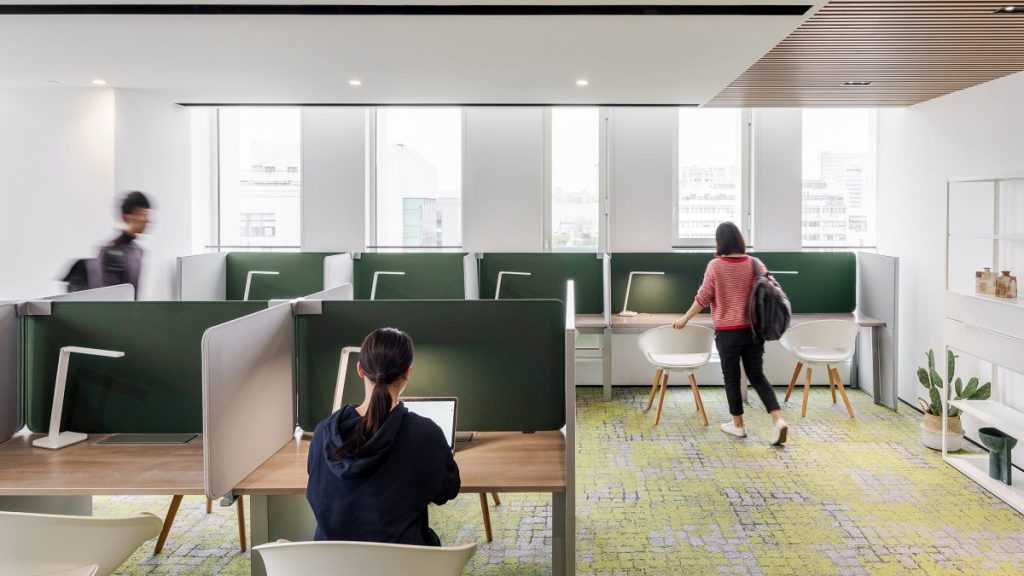
Lastly, it’s essential to consider the overall layout of the workspace. An open and airy design can promote collaboration and communication, while individual workstations should offer enough separation to minimize distractions. By arranging furniture and décor thoughtfully, organizations and individuals can create spaces that respond effectively to their workflow needs.
In summary, the influence of simple décor on productivity cannot be underestimated. By focusing on essential elements like decluttering, incorporating greenery, personalizing spaces, zoning for different tasks, and maintaining a functional layout, anyone can enhance their workspace. As we delve deeper into this topic, it becomes clear that the simple choices we make in our work environments can lead to significant boosts in productivity and overall task satisfaction.
The Impact of Color and Texture on Creativity
When discussing the influence of simple décor on productivity, color and texture emerge as critical factors in workspace design. Various studies suggest that light, soothing colors such as blue and green can stimulate creativity and enhance focus. On the contrary, overly bright or bold hues might create distractions or evoke feelings of anxiety. Choosing soft, natural tones creates an inviting atmosphere, encouraging a more productive mindset.
Moreover, incorporating natural textures such as wood, stone, or fabric can significantly elevate a workspace’s ambiance. Natural materials connect to nature, fostering a sense of tranquility and well-being. This simple integration can lead to improved concentration, allowing employees and individuals to work effectively without feeling overwhelmed. The idea is to create a harmonious environment where productivity thrives, making every task a little bit easier.
Ergonomics: The Role of Simple Décor in Wellness
Another vital aspect linking simple décor to productivity is ergonomics. An efficiently designed workspace not only promotes aesthetics but also focuses on the comfort and health of its users. The arrangement of furniture, the placement of monitors, and even the choice of decorative elements can play a significant role in preventing strain and discomfort during long working hours.
Incorporating adjustable desks, ergonomic chairs, and properly aligned computer screens can improve posture, reducing fatigue and discomfort. Simple decorative elements like plants not only enhance visual appeal but also contribute to better air quality and psychological well-being. This connection between wellness and workspace design underscores the importance of thoughtfully integrating ergonomic principles into any décor scheme, enhancing productivity while supporting long-term health.
The Power of Clutter-Free Spaces
The correlation between a clutter-free environment and increased productivity is well-documented. Simple decor that emphasizes minimalism can significantly reduce distractions and create a more focused work atmosphere. By utilizing organizational tools like shelves, storage boxes, and trays, individuals can ensure their workspace remains tidy, promoting efficiency and clear thought processes.
In addition, personal touches—like framed artwork or carefully selected knick-knacks—can coexist with minimalism, leading to a personalized yet uncluttered workspace. This balance allows individuals to express themselves without succumbing to chaos. By embracing simple décor principles, one can foster an environment that not only enhances productivity but also embodies personal style.
| Category | Benefits |
|---|---|
| Color and Texture | Enhances creativity and reduces distractions, promoting focus. |
| Ergonomics | Supports wellness and comfort, allowing for prolonged productivity. |
| Clutter-Free Space | Minimizes distractions, promotes a clear thought process, enhancing efficiency. |
Color Psychology and Its Impact on Workspace Design
In addition to the physical elements of simple décor, the colors utilized within a workspace can significantly influence productivity levels. Color psychology is a field that studies how colors affect perception, mood, and behavior. A well-thought-out color scheme can energize, soothe, or inspire creativity, making it a critical factor in workspace efficiency.
For example, blue is often associated with calmness and concentration. It has been shown to enhance focus and aid in clear thinking, making it an excellent choice for work environments that require intense concentration. Meanwhile, yellow can stimulate creativity and energy, perfect for collaborative and brainstorming sessions. Companies such as Google cleverly use vibrant hues in their office spaces to encourage innovation and teamwork.
Furthermore, employing neutral shades like white or gray provides a clean and uncluttered aesthetic, creating a canvas that promotes clarity. This minimalist approach to color can prevent visual overstimulation, allowing individuals to focus on tasks at hand without being distracted by overwhelming visual stimuli. According to a study published in the Journal of Experimental Psychology, environments that utilize neutral colors can lead to increased productivity by reducing cognitive overload.
Lighting: A Cornerstone of Productive Atmospheres
Another vital aspect of workspace décor is lighting. Natural light is widely recognized as the best option for promoting productivity as it regulates our circadian rhythms and enhances our mood. Workspaces that incorporate large windows or strategically placed mirrors can maximize natural light and create an open, inviting atmosphere. Research indicates that spaces flooded with natural light can boost energy levels by up to 30%.
Conversely, reliance on artificial lighting can negatively impact productivity if not managed properly. Harsh fluorescent lights can lead to eye strain and headaches, while softer, warmer lights create a cozier feeling without compromising visibility. Incorporating LED bulbs with adjustable brightness can allow employees to customize their environment according to their specific needs, fostering greater comfort and creativity.
Sound Management in Productivity-Driven Design
Sound is another critical component that can influence focus and productivity in a workspace. Achieving a balance between acoustics and ambiance can determine an office’s overall effectiveness. Open office layouts can enhance collaboration but may also result in increased noise levels, creating distractions. To combat this, incorporating sound-absorbing materials—such as carpets, acoustic panels, or even curtains—can soften noise and create a more serene environment.
Interestingly, the sounds of nature, such as birds chirping or gentle rustling leaves, have been shown to enhance cognitive function. By integrating these calming sounds through speakers, or allowing natural acoustics in the design, businesses can create a soothing atmosphere that promotes concentration and reduces stress. These findings highlight the significance of auditory elements in workspace décor that can contribute positively to productivity.
By focusing on aspects such as color psychology, lighting, and sound management, employers and individuals alike can tailor their work environments in ways that maximize efficiency. The nuances of simple décor choices can lead to profound changes in one’s attitude towards work, ultimately shaping overall productivity and satisfaction.
Conclusion: Enhancing Productivity Through Thoughtful Décor Choices
In today’s fast-paced work environment, understanding the influence of simple décor on productivity is more crucial than ever. An efficiently designed workspace can transform not just the physical realm but also the mental landscape of employees. By skillfully incorporating elements such as color psychology, optimal lighting, and sound management, organizations can create environments that promote well-being, focus, and creativity.
The psychological impact of color, for instance, serves as a powerful tool to evoke particular moods and enhance cognitive functions, driving teams toward greater innovation. Meanwhile, prioritizing natural lighting improves energy levels and helps regulate sleep patterns, which are vital for sustained productivity. Additionally, managing sound levels through thoughtful acoustics can create a tranquil atmosphere conducive to concentration, ensuring employees remain engaged and motivated.
As companies aspire to increase efficiency and job satisfaction, they must pay attention to these often-overlooked factors. Simple décor choices are not merely cosmetic; they are foundational elements that can lead to tangible improvements in performance. In a world where workplaces are continuously evolving, investing in the design of these spaces is more than just an aesthetic consideration; it is an essential strategy for fostering high-performance cultures. By exploring these insights further, businesses can unlock the full potential of their work environments and cultivate spaces that inspire and empower their most valuable asset: their people.
Related posts:
The Importance of Color in Simple Décor: Choosing Palettes that Inspire Tranquility
The Art of Simplicity: How Minimalist Decor Can Transform Your Space
How Simple Decor Can Ease Daily Routines: Organization Tips
Incorporating Natural Elements into Simple Decor: Sustainability and Minimalism
The Art of Simple Décor: How Minimalism Transforms Small Spaces
Simplicity Strategies: Practical Tips for Embracing Simple Décor in Your Home

Linda Carter is a writer and organization expert specializing in minimalism and personal organization. With extensive experience helping individuals create clutter-free, functional spaces and adopt mindful habits, Linda shares her knowledge on our platform. Her goal is to empower readers with practical advice and strategies to simplify their lives, stay organized, and achieve a sense of calm and balance in their daily routines.