The Impact of Efficient Space on Productivity in Home Offices: A Minimalist Perspective
Redefining Workspaces
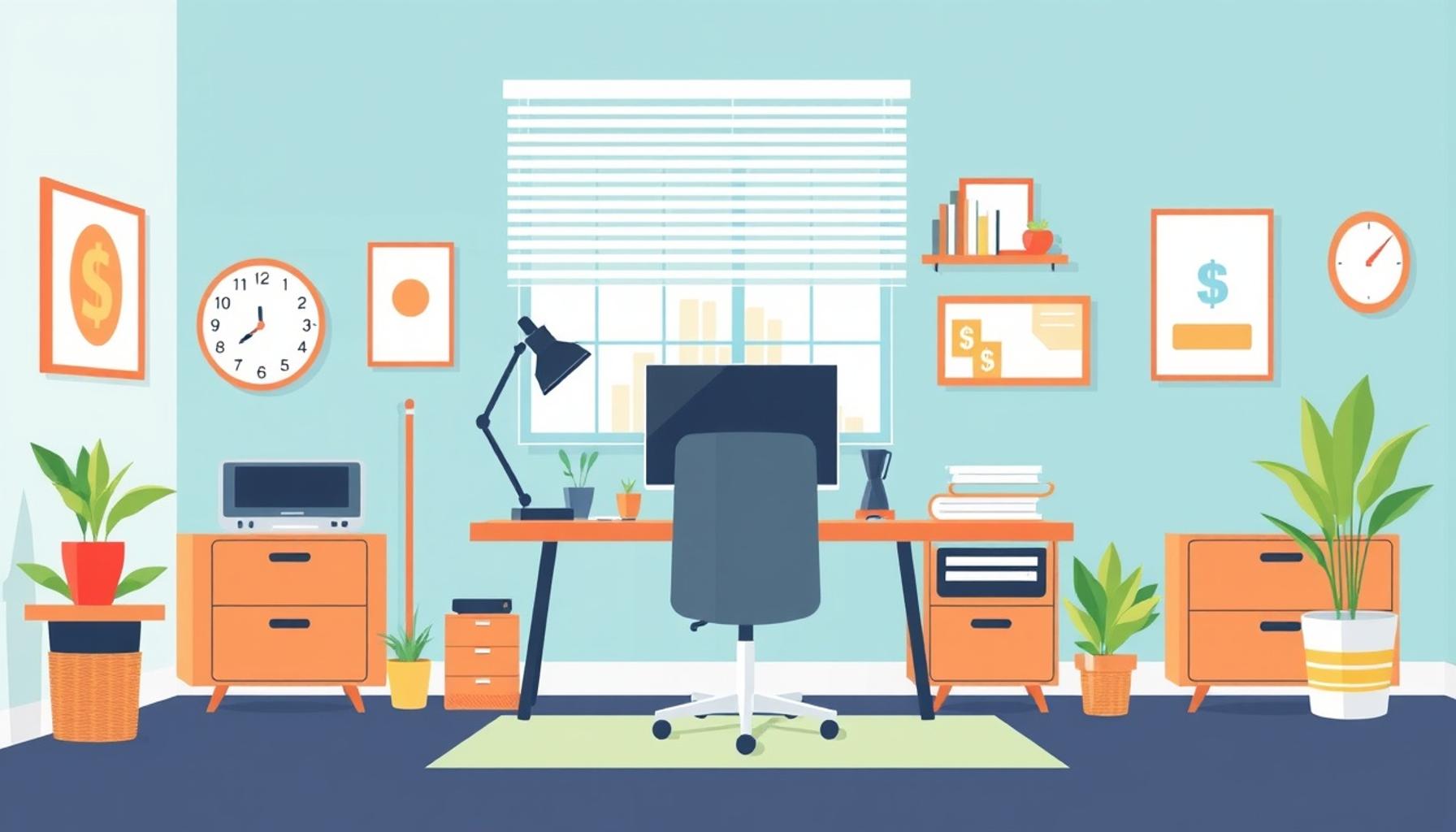
As more professionals transition to remote work, the home office has evolved into a critical space for productivity. The way we design and organize these spaces can significantly influence our focus and efficiency. Efficient use of space not only enhances workflow but also promotes a sense of calm and clarity, setting the stage for a successful day. The home office is no longer merely a makeshift corner; it is becoming a sanctuary for creativity and diligence.
Embracing Minimalism
The minimalist approach to home offices emphasizes simplicity and functionality. This design philosophy encourages individuals to focus on what truly matters, eliminating unnecessary clutter. The benefits of this approach are manifold:
- Reduced distractions: A clean and orderly environment fosters concentration. When distractions are minimized—be it through the absence of excessive decor or an organized desk—individuals can immerse themselves in their tasks without the temptation to stray into less productive activities.
- Enhanced organization: Fewer items lead to easier access to essential tools. By maintaining only necessary equipment within reach, professionals can streamline their workflow, allowing for a more efficient task completion. This could involve investing in multifunctional furniture or storage solutions that promote an organized atmosphere.
- Improved mental clarity: Simplifying surroundings can positively impact decision-making. With fewer visual distractions, the mind can operate with greater clarity, allowing for deeper focus and better strategic thinking—qualities essential in today’s fast-paced work environment.
The Connection to Productivity
Research supports the notion that an efficient workspace can yield higher productivity levels. For instance, a study by the Princeton University Neuroscience Institute found that clutter can actually impede the brain’s ability to focus, leading to diminished cognitive function. This aligns with findings that employees with organized workspaces:
- Completed tasks 20% faster, illustrating how efficiency is directly influenced by the surrounding environment.
- Exhibited a 25% increase in creativity. The more streamlined the environment, the more freedom one feels to innovate and brainstorm new ideas.
- Reported improved job satisfaction, an essential factor in employee retention and morale in remote work settings.
In the quest for an efficient home office, understanding the impact of space design is crucial. Research signifies that creating a space that echoes minimalism can not only contribute to physical organization but also positively affect psychological well-being. This article will delve into critical aspects of minimalist home office design and its relationship to productivity, offering practical insights for anyone wishing to create a more effective workspace. By thoughtfully curating workspace environments, professionals can elevate their home office from a mere necessity to a powerful tool for success.
Optimizing the Environment
To harness the full potential of a home office, professionals must consider how the layout and design of their workspace affect productivity. An efficient space does not solely rely on aesthetics; it requires thoughtful planning that integrates functionality with minimalism. This involves evaluating every component within the home office, from furniture to the arrangement of technology. By deliberately selecting and positioning objects, individuals can create an environment that promotes efficiency and focus.
Key Elements of an Efficient Workspace
Several essential elements contribute to an efficient workspace in the context of a minimalist design. Recognizing and optimizing these elements can transform productivity levels significantly:
- Strategic placement of furniture: The arrangement of your desk, chair, and storage must facilitate movement and accessibility. For instance, placing the desk near a window allows natural light to boost mood and energy, while also ensuring essential tools are within reach. A well-placed chair minimizes unnecessary movements, assisting in maintaining focus during extended work periods.
- Use of multifunctional furniture: In a limited spatial footprint, multifunctional furniture can be a game-changer. Desks that incorporate built-in storage or dual-purpose designs (such as a desk that can convert into a standing model) maximize the usability of space while minimizing clutter.
- Effective use of color and lighting: The psychological effects of color in a workspace are profound. Calming hues like blues and greens can create a serene environment, while splashes of vibrant colors can stimulate creativity. Additionally, proper lighting—preferably natural light—enhances visibility and reduces eye strain, further contributing to productivity.
Incorporating these elements not only leads to better organization but also positively influences the mental state of individuals. The subconscious effects of an organized and aesthetically pleasing environment can reduce stress levels, allowing employees to approach their tasks with renewed vigor.
Integrating Technology Thoughtfully
As digital tools become more integral to daily operations, the integration of technology within the home office must also align with minimalist principles. Selecting essential devices, such as a powerful computer, a functionally designed monitor, and efficient peripherals, helps streamline workflows. Avoiding excess technology that complicates work processes can be of great advantage. A study conducted by the University of California highlighted that workers are less productive when they navigate through multiple devices or software tools that distract from core tasks.
By surrounding oneself with only the technology that serves a functional purpose, professionals can foster an environment that prioritizes productivity. This not only simplifies the workspace but also encourages a more focused and intentional use of tools.
Through a careful evaluation of these foundational elements, individuals can create a workspace that embodies the principles of efficiency and minimalism, ultimately setting the stage for heightened productivity in the remote work landscape. As the home office continues to be an integral part of modern work culture, understanding these principles is essential for cultivating a highly effective environment.
The Role of Minimalism in Home Office Design
In today’s evolving work landscape, where remote working has become commonplace, the importance of an efficient workspace cannot be overstated. Adopting a minimalist perspective in home office design is a transformative approach that touches on both aesthetics and functionality. A well-organized space not only declutters the mind but also enhances focus and creativity, allowing for higher productivity levels.Minimalism encourages the elimination of unnecessary items that can distract from the primary work objectives. By prioritizing simplicity and functionality, individuals can create an environment conducive to deep work. For instance, using just the essential tools—such as a quality desk, ergonomic chair, and minimal decor—can lead to a more satisfying and productive working experience. This emphasis on functional design aids in establishing boundaries between work and leisure, which is particularly important in a home setting where these zones can easily blur.Moreover, effective storage solutions are a cornerstone of minimalistic design. Creative organization techniques, such as hidden storage and multifunctional furniture, can maximize available space. This not only streamlines the workspace but also contributes to a visually calming atmosphere, reducing stress and anxiety levels typically associated with clutter. Investing in quality rather than quantity is another principle of minimalism that resonates deeply with productivity. High-quality tools and technology can significantly enhance work efficiency, while cheaper alternatives may lead to frustration and time waste due to breakdowns or inefficiencies. Thus, adopting a minimalist perspective can have profound impacts on overall productivity, enabling individuals to focus purely on their tasks rather than on dealing with the chaos of an overloaded workspace.In summary, the integration of minimalist principles into home office design cultivates an enriching environment that aligns with modern productivity needs. As we delve deeper into the implications of space efficiency, it becomes evident that simplicity is not just an aesthetic choice but a powerful tool in enhancing work performance.
| Category | Characteristics |
|---|---|
| Space Optimization | Utilization of minimal furniture and essential tools to create an efficient workspace. |
| Stress Reduction | A clutter-free environment leads to lower anxiety levels and improved focus. |
The Role of Personalization in Productivity
While minimalism emphasizes simplicity and function, it is important to recognize the role of personalization in enhancing the home office experience. Creating a workspace that reflects individual tastes and preferences can instigate a heightened sense of ownership and motivation. When professionals feel connected to their environment, they are more likely to engage deeply with their work. This balance between a minimalist approach and personal touches can yield significant productivity benefits.
Finding the Right Balance
Striking the correct balance between functionality and personalization involves incorporating a few carefully chosen décor items that resonate with the individual. Framed photographs, a small collection of inspiring books, or a plant can make the workspace more inviting without overwhelming it. A study published by the American Psychological Association suggests that personalized spaces can lead to increased job satisfaction and commitment, subsequently boosting productivity. These elements should be minimal and curated, ensuring they contribute positively to the environment rather than creating clutter.
Decluttering to Enhance Focus
Decluttering is a fundamental principle of minimalism that is particularly relevant to productivity in home offices. A survey conducted by Staples revealed that 90% of workers feel more productive in clean and organized spaces. Removing non-essential items from the workspace allows for better concentration on pressing tasks. Establishing a routine for regular clean-ups can help maintain an organized environment, ensuring that clutter does not accumulate and hinder focus over time.
- Establishing a “one in, one out” rule: This principle encourages individuals to part with an item whenever a new one is introduced into the workspace. Strict adherence to this rule can prevent the buildup of unnecessary belongings.
- Utilizing digital tools for organization: Cloud storage and task management apps can keep digital spaces uncluttered, allowing individuals to focus on physical items that require attention. By minimizing distractions in both physical and digital realms, productivity can substantially increase.
Creating Defined Zones
Another compelling strategy within the minimalist framework involves the creation of defined zones within the home office. By designating specific areas for different tasks—such as a dedicated reading nook or a space for creative brainstorming—professionals can mentally categorize their activities. A study from the University of Texas found that having distinct spaces for work-related tasks leads to improved efficiency and performance.
Defined zones not only help in managing workflow but also present clear transitions between different modes of work. By signaling a shift when moving from one area to another, individuals foster a mindset that aligns with the nature of the task at hand—whether it requires intense focus or creative thinking. This deliberate segmentation enhances overall productivity while adhering to minimalist principles.
By understanding how personalization, decluttering, and zone creation contribute to an efficient workspace, professionals can actively shape their home offices into areas that promote productivity through a minimalist lens. Exploring and experimenting with these aspects empowers individuals to tailor their work environments in ways that resonate uniquely with their working styles, leading to sustained productivity and satisfaction.
Conclusion
In a world increasingly defined by remote work, the design of home offices is paramount to enhancing productivity. Embracing a minimalist perspective provides a strategic foundation for creating spaces that fortify focus and foster creativity. As explored throughout this article, the integration of efficient space management principles—such as decluttering, personalization, and the establishment of defined zones—can profoundly impact productivity levels.
The alignment of a workspace with one’s personal preferences, combined with a thoughtful approach to organization, cultivates an environment where professionals can thrive. By prioritizing functionality while allowing for elements of personality, individuals can develop home offices that are not only aesthetically pleasing but also conducive to a high level of engagement. Studies indicate that such tailored environments can lead to increased job satisfaction, ultimately translating into improved work performance.
Moreover, striking the right balance between carefully curated décor and maintaining an organized atmosphere is crucial. The adoption of practical strategies, such as the “one in, one out” rule and utilizing digital tools, can streamline workflows and ensure that distractions are minimized. As workers transition between different task-focused zones, they signal their brain to adapt accordingly, promoting deeper concentration whether engaged in analytical thinking or creative work.
In conclusion, understanding the impact of efficient space on productivity reveals that thoughtful minimalism is more than a design choice—it is an empowering approach to creating a workspace that champions efficiency, creativity, and personal satisfaction. By investing in a minimalist home office, professionals can unlock their full potential and foster an environment tailor-made for success in today’s evolving work landscape.
Related posts:
Creating Efficient Spaces: The Role of Multipurpose Furniture in Minimalist Living
Mindful Organization: How Minimalism Enhances Productivity in Workspaces
The Role of Minimalism in Sustainable Living: Efficient Space for a Greener Future
Tiny House Living: Embracing Efficient Space through Minimalist Principles
Seasonal Minimalism: Organizing Efficient Space for Changing Needs
Efficient Space for Families: Balancing Minimalism with Practicality

Linda Carter is a writer and organization expert specializing in minimalism and personal organization. With extensive experience helping individuals create clutter-free, functional spaces and adopt mindful habits, Linda shares her knowledge on our platform. Her goal is to empower readers with practical advice and strategies to simplify their lives, stay organized, and achieve a sense of calm and balance in their daily routines.