The Evolution of Simple Décor: Modern and Classic Trends in Minimalism
The Shift Towards Minimalist Design
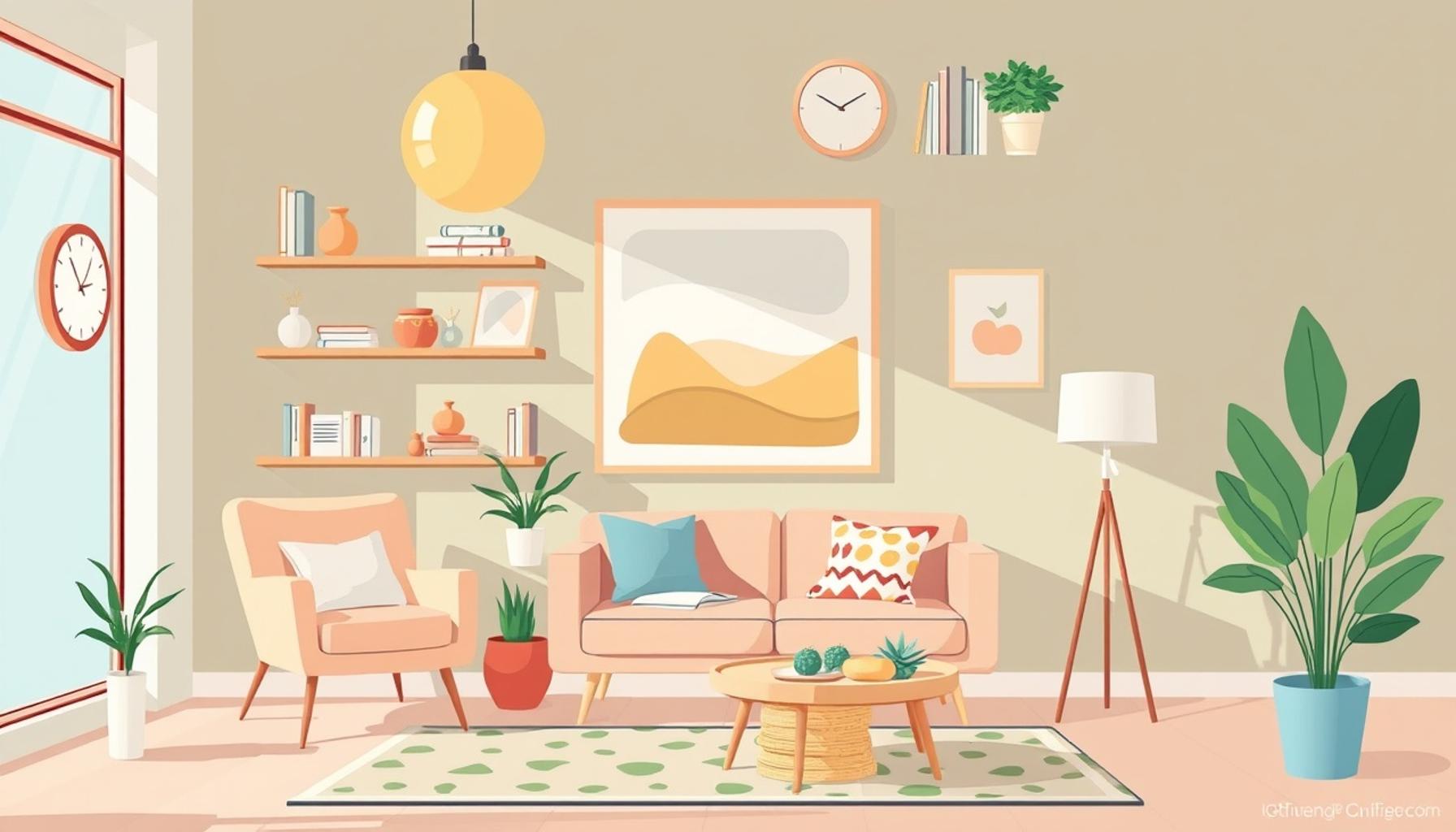
The world of interior design has witnessed a profound shift towards minimalism, a style that celebrates simplicity and functionality while eschewing the excesses of traditional décor. This transformation is not just a whim; it reflects significant cultural changes, technological advancements, and a growing desire for sustainable living that resonates with many individuals today.
From the clean lines of Scandinavian designs to the calming beauty of Japanese Zen aesthetics, minimalism encompasses a multitude of influences that reflect diverse cultural heritages:
- Scandinavian Minimalism: This style is marked by light color palettes, natural materials like wood, and a strong emphasis on functionality. It creates spaces that are both inviting and practical, making it ideal for modern homes where multifunctionality is increasingly popular.
- Japanese Zen: Rooted in the principles of tranquility and balance, this aesthetic celebrates simplicity and the beauty of imperfection, often incorporating elements like shoji screens and tatami mats to enhance calmness throughout the living space.
- Industrial Minimalism: By incorporating raw materials, such as exposed brick and metal fixtures, this style embraces an urban aesthetic. It is particularly popular for loft-style living and showcases an edgy yet sophisticated charm, appealing to young professionals in metropolitan areas.
These styles contrast sharply with the ornate depictions of classic décor, illustrating how tastes have evolved. Each trend tells a unique story of design evolution influenced by several factors:
- The desk and private space boom in the digital era, where more people require functional workspaces within their homes. Minimalist design often maximizes the efficiency of these spaces without sacrificing comfort or style.
- A surge in eco-consciousness, which has prompted designers to promote sustainability in materials. Many minimalist designs utilize reclaimed wood, organic fabrics, and low-VOC paints that are not only aesthetically pleasing but also environmentally friendly.
- An increased understanding of how our environments impact mental well-being, leading to a preference for clean, clutter-free spaces that promote relaxation and focus.
As we delve deeper into the evolution of simple décor, we will uncover how both modern and classic trends in minimalism shape today’s living spaces. This exploration challenges readers to reevaluate their personal environments and consider the significant impact of their décor choices on both their aesthetic experience and emotional health.
The minimalist movement invites us all to embrace the idea that less can indeed be more, especially in a fast-paced world where overwhelming stimuli can hinder our peace of mind. Whether one is redesigning a compact apartment in Brooklyn or rethinking a spacious suburban home, understanding these principles of minimalism can enhance the effectiveness and beauty of one’s living spaces.
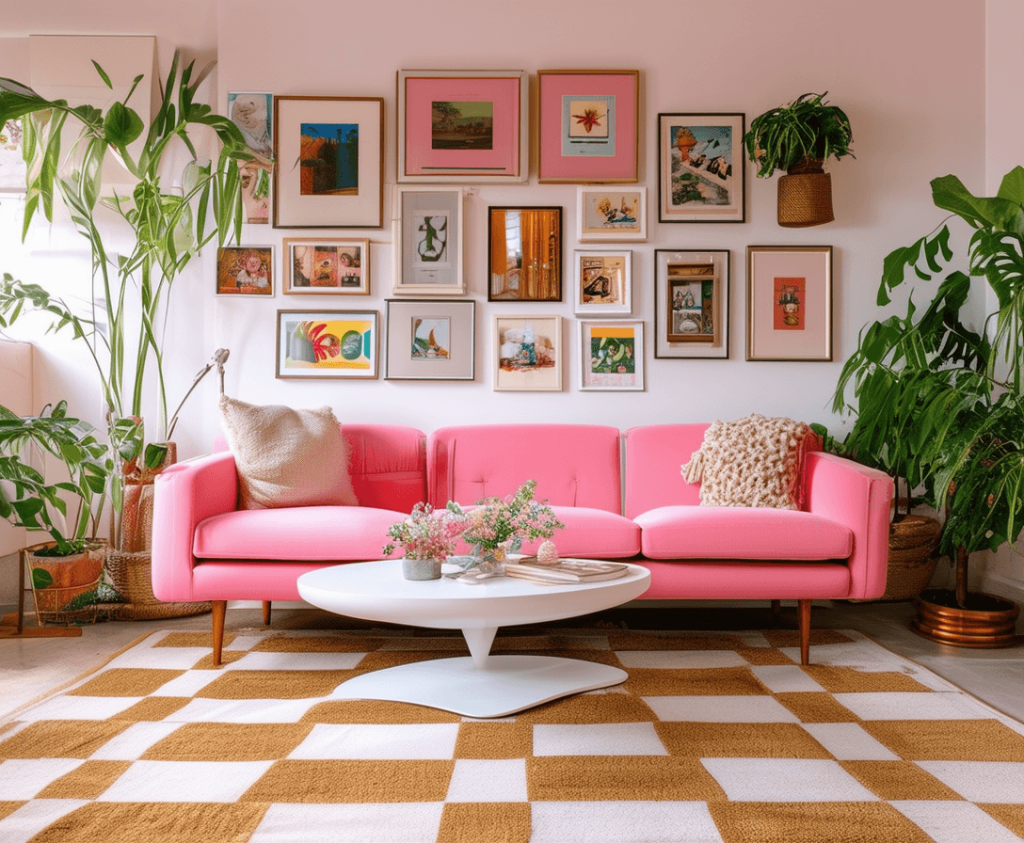
Embracing the Essence of Minimalism
Minimalism, as a design philosophy, offers an antidote to the overwhelming clutter of modern life, inviting individuals to embrace clarity and intention in their living spaces. The essence of minimalist design is not merely about stripping away excess; it’s about making conscious choices that enhance one’s lifestyle. This approach has not only transformed aesthetic preferences but has also profoundly influenced the way we inhabit our homes.
One of the most fascinating aspects of minimalism is its ability to fuse modern technology with classic sensibilities. Modern minimalism emphasizes the incorporation of innovative materials and techniques, establishing a seamless flow between indoor and outdoor environments. For example, smart home technology—such as automated lighting and heating—works harmoniously within a minimalist framework to create both functional and visually appealing spaces.
Key Elements of Modern Minimalism
Today’s minimalist designs champion a series of fundamental principles that capture the spirit of modern living.
- Open Spaces: Floor plans with fewer walls promote a sense of airiness. This approach allows for better light circulation and encourages movement, resulting in a more welcoming environment.
- Neutral Color Palettes: Soft colors—think whites, grays, and earthy tones—dominate contemporary minimalist spaces, providing a calming backdrop that helps reduce visual noise and enhance relaxation.
- Functional Furniture: Pieces are carefully selected not only for their aesthetic appeal but also for their multi-functionality. This trend to combine style with usability has given rise to innovative solutions like convertible sofas and modular shelving that adapt to various needs.
In contrast, classic minimalist trends draw inspiration from past design movements, emphasizing timeless elements that transcend fleeting fashions. The art of Japanese wabi-sabi, with its intrinsic appreciation for simplicity and natural imperfections, resonates even today. This aesthetic celebrates the beauty of nature, often incorporating organic materials like bamboo and clay into home design. As we rediscover these principles, there is a growing appreciation for handcrafted items that tell a story, reinforcing the connection between the past and present.
The Impact of Culture and Society
The evolution of simple décor is also fueled by cultural shifts. In a world where consumerism often drives decor choices, many find themselves yearning for a more meaningful existence, leading to a surge in minimalistic lifestyles. Factors influencing this change include:
- Digital Detox: As technology invades every corner of life, people are increasingly seeking spaces that offer respite from screens and digital distractions.
- Environmental Awareness: The eco-conscious movement encourages individuals to live more sustainably, inspiring a preference for décor that is not only minimal but also environmentally responsible.
- Mindfulness Practices: With a growing focus on mental well-being, many realize that a clutter-free environment supports clearer thinking and emotional health.
In summary, the evolution of simple décor reflects a complex interplay of modern and classic trends in minimalism. By understanding these influences and principles, readers can better appreciate how their décor choices resonate with personal values and contemporary lifestyles, leading to environments that nourish both aesthetic quality and emotional well-being.
The Evolution of Simple Décor: Modern and Classic Trends in Minimalism
The world of décor is continually evolving, reflecting the cultural shifts and contemporary needs of society. Minimalism, a design principle that prioritizes simplicity and functionality, is at the forefront of this evolution. From its roots in the early 20th century modernist movements to today’s fusion of vintage and contemporary elements, minimalism transcends mere aesthetics; it embodies a lifestyle that values quality over quantity.
Modern Trends in Minimalism
Contemporary minimalist designs showcase clean lines and open spaces, often utilizing sustainable materials that are both practical and stylish. The use of muted colors, coupled with an avoidance of clutter, allows for a more serene home environment. Accessories are carefully curated, with emphasis placed on pieces that are not only visually appealing but also have a purpose. This raises the question: how does modern minimalism balance beauty with function?
Classic Influences
Classic minimalist styles can be traced back to the Bauhaus movement, which pioneered the integration of art and industry. Today, elements of classic minimalism reappear, with a focus on timeless pieces that withstand the test of trends. Gray and white tones, natural wood finishes, and sparse designs harken back to a simpler era while being updated for modern lifestyles. What lessons from the past can be integrated into contemporary minimal designs?
| Category 1 | Category 2 |
|---|---|
| Modern Minimalism | Focuses on sustainable practices and innovative materials for a greener home. |
| Classic Minimalism | Emphasizes timeless designs that reflect cultural heritage and simplicity. |
By examining both modern and classic trends, we discover that the essence of minimalism lies in its ability to adapt while preserving the fundamental principle of “less is more.” It encourages us to consider our relationship with our surroundings and how simple décor can enhance our lives.
Cultural Influences in Minimalist Design
As minimalism continues to evolve, its connection to culture becomes increasingly significant. Different cultural backgrounds provide distinct perspectives on simplicity, enriching the minimalist narrative. For example, the Scandinavian concept of Hygge champions coziness and well-being, incorporating thoughtfully chosen decor that enhances comfort without overwhelming one’s senses. This ideology promotes using natural light, soft textiles, and handcrafted pieces, embodying both modern and classic design elements.
In the United States, the influence of various design movements shapes how minimalist spaces are interpreted. The Mid-Century Modern movement—characterized by clean lines, organic forms, and functional beauty—continues to inspire contemporary homes. Designers now often merge Mid-Century principles with current minimalist trends, creating spaces that resemble a nostalgic yet forward-thinking aesthetic.
Art and Minimalism
The relationship between art and minimalism deserves special attention, as artistic expressions have profoundly influenced minimalist décor. Notable artists such as Donald Judd and Agnes Martin embraced simplicity in their work, favoring form and function over flamboyance. Their focus on space, light, and materials translated into minimalist home design, leading to the trend of integrating art directly into living spaces.
In many modern homes, art is showcased as a centerpiece of minimalist décor. Homeowners are increasingly choosing statement pieces that resonate with their personal stories, focusing less on filling walls with numerous items. This curated approach not only reflects individuality but also keeps the environment uncluttered and purposeful.
Integrating Minimalism in the Digital Age
In a world dictated by information overload, the digital transformation has heralded its own minimalist trends. Social media and digital platforms have shifted the dynamics of our personal spaces. Instagram and Pinterest are rife with accounts dedicated to minimalist lifestyles, often promoting less consumption and a focus on quality over quantity. This digital influence is not merely superficial; it has sparked a movement toward responsible consumption, leading many to seek décor that supports sustainability and longevity.
Social media challenges such as the 30-Day Minimalism Game encourage participants to declutter and simplify their lives, impacting how people perceive and interact with their spaces. The visuals presented in these platforms reinforce the allure of minimalist decor, making it continuously appealing to a wider audience.
The Future of Minimalism
Looking forward, the evolution of simple décor suggests a blend of modern conveniences and classic elegance will likely continue to define minimalist design. With each generation, a renewed appreciation for sustainability is emerging, intertwining with design philosophies that emphasize ethics and mindfulness. As urban living spaces become more compact, innovative solutions like smart furniture and green living practices are becoming increasingly popular.
Incorporating elements of nature into design—through indoor plants and sustainable materials—illustrates a shift towards biophilic design, reinforcing a minimalist approach focused on simplicity and well-being. This evolution invites exploration and experimentation within the minimalist framework, ensuring its relevance resonates deeply with future generations.
Conclusion
The journey of minimalist design has been a fascinating interplay of cultures, art, and modern technology, weaving together a narrative that reflects simplification without sacrificing elegance. From Scandinavian Hygge to Mid-Century Modern aesthetics, different ideologies have contributed to a rich tapestry of minimalist decoration that prioritizes comfort and practicality. As we venture further into the 21st century, the trend towards integrating sustainability and biophilic elements signifies a profound shift in how we perceive our living environments, emphasizing not just aesthetics but also our relationship with nature.
In the age of digital transformation, social media has propelled minimalism into the spotlight, encouraging individuals to curate their spaces with intention and meaning. The minimalistic movement has become synonymous with a conscious lifestyle, promoting a significant reduction in consumerism while prioritizing quality over quantity. This collective realization is paving the way for a community that cherishes environments that are not just visually appealing but also serve as personal sanctuaries.
Looking forward, the future of minimalist décor appears bright, as it continues to adapt and resonate deeply with new generations. As urbanization intensifies and spaces grow smaller, innovative designs that merge utility with style will undoubtedly shape the contemporary aesthetic landscape. Ultimately, the evolution of simple décor reflects an ongoing dialogue about our values, urging us to embrace simplicity while celebrating the richness of life in a thoughtfully designed space. This evolving narrative invites us to explore, engage with, and redefine what minimalism means to us personally, ensuring its relevance for years to come.
Related posts:
Minimalist Lifestyle: How Simple Décor Contributes to Stress Reduction and Increased Mental Clarity
The Art of Simplicity: How Minimalist Decor Can Transform Your Space
The Art of Simple Décor: How Minimalism Transforms Small Spaces
Functional Organization: Integrating Simple Décor into Your Daily Life
Simplicity Strategies: Practical Tips for Embracing Simple Décor in Your Home
How Simple Decor Can Ease Daily Routines: Organization Tips

Linda Carter is a writer and organization expert specializing in minimalism and personal organization. With extensive experience helping individuals create clutter-free, functional spaces and adopt mindful habits, Linda shares her knowledge on our platform. Her goal is to empower readers with practical advice and strategies to simplify their lives, stay organized, and achieve a sense of calm and balance in their daily routines.