Simplicity Strategies: Practical Tips for Embracing Simple Décor in Your Home
Unveiling the Essentials of Minimalist Décor
In our fast-paced society, where possessions often take precedence over personal peace, immersing oneself in a minimalist lifestyle can be profoundly rejuvenating. Simple décor acts as a sanctuary amidst the noise, cultivating a space that fosters tranquility and encourages mindfulness. It’s not merely about stripping down to the bare essentials; it’s about being intentional with what you keep and how you curate your living environment.
To understand the significance of minimalist design, let’s delve into its essential features that contribute to its charm:
- Clean Lines: Minimalist décor thrives on aesthetic choices characterized by simplicity. Furniture and architectural elements often showcase smooth, unembellished lines. For instance, a sleek Scandinavian-style sofa, with its understated design, draws the eye and creates a focal point without overwhelming the space.
- Neutral Colors: The color scheme in minimalist design typically relies on soft, muted palettes such as whites, grays, and beiges. These hues promote a serene and inviting atmosphere, making spaces feel larger and more open. Adding accents like a single piece of art or a vibrant plant can provide just the right amount of contrast without disrupting the overall harmony.
- Natural Materials: Utilizing materials like wood, stone, and cotton can introduce an organic warmth that balances the modernity of minimalism. For example, a reclaimed wood dining table paired with metal chairs combines texture with functionality, offering a sense of grounding and connection to nature.
The transformation from clutter to comfort is not solely about discarding items; it’s about a meticulous selection process where objects reflect your unique style and life story. By strategically choosing pieces that resonate with you, each item in your home becomes a part of a cohesive narrative.
In this article, you’ll uncover practical tips and strategies designed to seamlessly incorporate minimalist décor into your living space. Whether it’s through clever storage solutions or the thoughtful arrangement of your belongings, small adjustments can lead to profound impacts on the overall aesthetic and atmosphere of your home. Initiating your journey towards minimalism may seem overwhelming, but with the right approach, it can be a rewarding endeavor that enhances not only your space but also your quality of life.
As you start this exciting exploration, reflect on what simplicity means to you and how each choice you make can elevate your surroundings. Minimalism is not just a design style; it’s a lifestyle that encourages clarity and purpose in our increasingly hectic world.
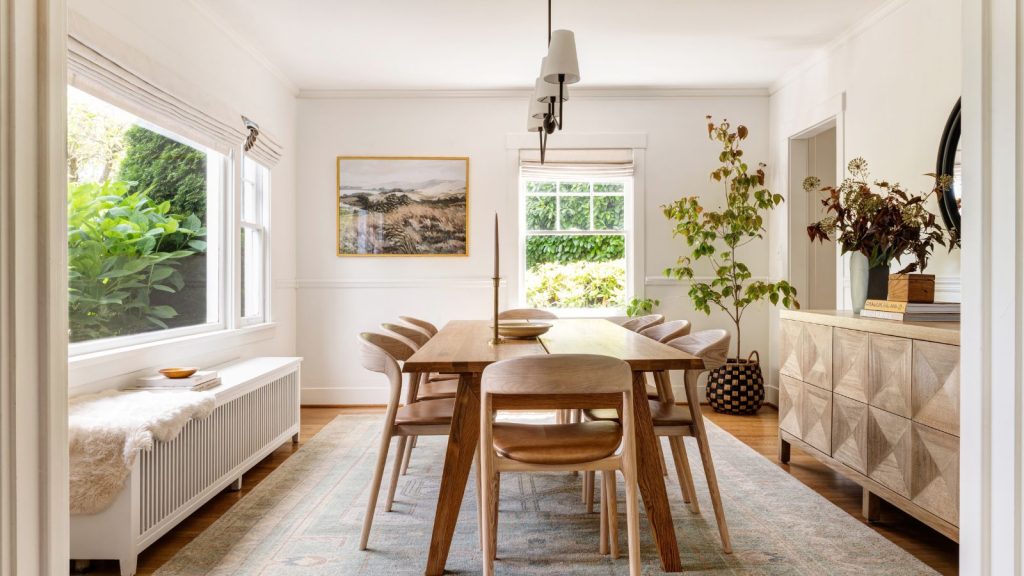
Creating a Calming Environment Through Smart Organization
Embracing simplicity in home décor begins with transforming your space into a calm and organized oasis. Excess clutter and disarray can lead to feelings of stress and distraction, while an organized environment paves the way for tranquility and peace. Here are some practical strategies to create a more organized and aesthetically pleasing home:
- Declutter Regularly: Make it a habit to reassess your belongings periodically. Assess each item and ask yourself if it adds value to your life or decor. If it doesn’t, consider donating, recycling, or discarding it. Maintaining a clutter-free home is a continuous process, and setting aside time each month for decluttering can make a significant impact.
- Adopt a ‘One In, One Out’ Rule: For each new item you bring into your home, commit to removing one item. This practice helps maintain balance and prevents accumulation. Whether you’re purchasing a new decorative throw or a piece of furniture, ensuring that something goes out makes room for thoughtful new additions.
- Utilize Multi-Functional Furniture: In small spaces, investing in furniture that serves multiple purposes can drastically reduce clutter. For instance, a coffee table with built-in storage or a sofa bed allows functionality without sacrificing style. These pieces blend seamlessly into minimalist décor while maximizing efficiency.
- Create Dedicated Spaces: Establishing specific areas for day-to-day items like keys, mail, and shoes can eliminate scatter. Consider using stylish baskets, trays, or hooks to harmonize organization with décor. This thoughtful arrangement keeps essentials within reach without sacrificing aesthetics.
- Limit Decorative Items: While artistry and decoration play a role in personalizing a space, over-accessorizing can dilute the impact of your carefully chosen pieces. Aim to select a few statement items, such as an eye-catching sculpture or a vibrant painting, that can stand alone without competing for attention. The key is to maintain a balance between simplicity and artistic expression.
These organization strategies are foundational to achieving a minimalist aesthetic in your home. By implementing effective storage solutions and maintaining a consistent decluttering routine, you create an environment where each item holds significance, contributing to a serene ambiance.
Additionally, remember that the journey toward simplicity is personal and can be tailored to reflect your lifestyle and preferences. There is no one-size-fits-all approach in minimalism. As you explore and implement these strategies, let your instincts guide you in selecting the elements that resonate most with you.
Transforming your home into a simple yet inviting space not only promotes visual harmony but also supports mental clarity. Through intentional choices, you can cultivate an environment that nurtures both comfort and inspiration.
| Advantage | Details |
|---|---|
| Less Clutter | Embracing simple décor promotes a cleaner environment, making spaces feel larger and more serene. |
| Improved Focus | Minimalist designs help in reducing distractions, fostering concentration and calmness in your living space. |
| Cost-Effective | Simple décor often requires fewer materials, making it a budget-friendly approach to home styling. |
| Timelessness | Classic simplicity creates a lasting aesthetic, avoiding trends that may soon become outdated. |
Incorporating the principles of simplicity into your home can lead to transformative benefits. A less cluttered space not only enhances visual appeal but also contributes to emotional well-being. For instance, when you embrace open spaces with carefully selected furnishings, you can cultivate an atmosphere of tranquility. Improved focus is a necessary advantage in today’s fast-paced lives; simple décor encourages mental clarity by minimizing distractions.Moreover, adopting simple styles can also be surprisingly economical. By choosing versatile pieces and fewer accessories, you can redesign your living areas without breaking the bank. This timeless approach ensures your home will never feel dated, as it steers clear of fleeting trends that are often just that – fleeting. By embracing simplicity, you provide a home environment where both style and serenity coexist harmoniously, inviting exploration and further consideration of the art of simple living.
Incorporating Natural Elements for a Touch of Tranquility
Another effective simplicity strategy involves the thoughtful incorporation of natural elements into your home décor. Nature has an innate ability to instill calmness and grounding, which can enhance your overall sense of peace. Here are some insightful tips on how to integrate natural elements into your living space:
- Use Plants Wisely: Indoor plants not only purify the air but also bring life and vibrancy to your home. Select low-maintenance varieties, such as snake plants, pothos, or succulents for easy care and visual appeal. Arrange them in simple, stylish pots that complement your décor. A few carefully placed plants can brighten a room and make your environment feel more connected to the outside world.
- Introduce Natural Textures: Incorporating textures like wood, stone, and linen into your décor can create a calming and welcoming atmosphere. Opt for natural wood furniture with clean lines and a matte finish, as well as stone or clay accessories that add depth without overwhelming your space. Fabrics like cotton or organic linen for cushions and throws can further enhance the tactile experience while promoting a serene vibe.
- Maximize Natural Light: Light can significantly impact the perception of space. Strategically positioning mirrors can help bounce light throughout a room, making it feel more expansive and airy. Additionally, use sheer window treatments to invite maximum natural light while still maintaining privacy. Bright spaces often evoke feelings of happiness and comfort, thus contributing to the overall simplicity and elegance of your home.
- Embrace Minimalist Landscaping: If you have outdoor space, consider adopting a minimalist approach to your garden or balcony. Effortlessly arranged flower beds or a few carefully curated potted plants create an inviting outdoor retreat. Native plants can be easier to maintain, align with local ecosystems, and blend seamlessly with the simplicity you aim for inside your home.
- Choose a Soothing Color Palette: Colors have a powerful influence over mood. Soft, neutral shades such as whites, greys, and earthy tones can help establish a soothing atmosphere. Accentuating with natural colors can enhance simplicity and create a cohesive design. For those feeling bolder, a splash of muted greens or blues can evoke a sense of calm associated with nature.
Incorporating these natural elements and aesthetic choices helps create a cohesive and harmonious feeling throughout your home. The goal is not only to have a visually appealing space but to cultivate an environment where you can relax and rejuvenate.
Additionally, consider sustainability within your simplicity journey. Sourcing materials and furniture locally or opting for eco-friendly options demonstrates an appreciation for both nature and mindful living. This approach further enhances the connection between your indoor space and the natural world outside, reinforcing the principles of simplicity and harmony.
By integrating natural elements into your home décor, you can create a sanctuary that invites peace and simplicity, while simultaneously fostering your connection to the world around you.
Conclusion: The Art of Simple Living
Embracing simplicity in your home décor is not just about reducing clutter; it’s a holistic approach to creating a space that nurtures peace, well-being, and aesthetic harmony. The strategies outlined—from utilizing natural elements to choosing a soothing color palette—allow you to craft an environment that reflects clarity and tranquility. By prioritizing functional yet beautiful items, you foster a sense of balance and comfort while inviting a breath of fresh air into your daily life.
Incorporating these simple décor principles not only elevates your home but also aligns with sustainable living practices. With careful consideration of materials and thoughtful placement of décor, you can achieve a harmonious blend of style and purpose. Remember, each choice contributes to the overall atmosphere, reinforcing the idea that less truly can be more. Celebrating minimalism doesn’t mean sacrificing style; rather, it celebrates the elegance of simplicity and authenticity.
As you embark on your journey to embrace simple décor, take the time to reflect on what truly matters in your space. Celebrate the beauty found in nature, the comfort of well-chosen textures, and the joy of uncluttered spaces. In a world often overflowing with excess, adopting simplicity strategies offers a refreshing perspective that encourages you not only to create a beautiful home but to foster a lifestyle that prioritizes peace, mindfulness, and intentional living. Explore these ideas further, and let your home become a sanctuary that resonates with the essence of simplicity.
Related posts:
Simple Decor and Functionality: Multifunctional Furniture for Minimalist Spaces
Simple Decor and the Art of Letting Go: How to Change Your Mindset about Objects and Spaces
Creating Calming Environments: The Impact of Simple Décor on Mental Health
Incorporating Natural Elements into Simple Decor: Sustainability and Minimalism
Organization and Aesthetics: Integrating Functionality into Simple Décor
The Art of Simple Décor: How Minimalism Transforms Small Spaces

Linda Carter is a writer and organization expert specializing in minimalism and personal organization. With extensive experience helping individuals create clutter-free, functional spaces and adopt mindful habits, Linda shares her knowledge on our platform. Her goal is to empower readers with practical advice and strategies to simplify their lives, stay organized, and achieve a sense of calm and balance in their daily routines.