Neutral Tones and Natural Textures: The Impact of Simplicity on the Home Environment
Creating a Harmonious Home Environment
In today’s fast-paced world, the allure of a serene living space cannot be overstated. Neutral tones paired with natural textures create a calming oasis that promotes tranquility and connection with nature. This minimalist approach is transforming home environments across the United States. Designed to be both aesthetically pleasing and functional, these spaces invite a sense of peace amidst the chaos of everyday life.
Consider the following aspects that highlight the impact of simplicity:
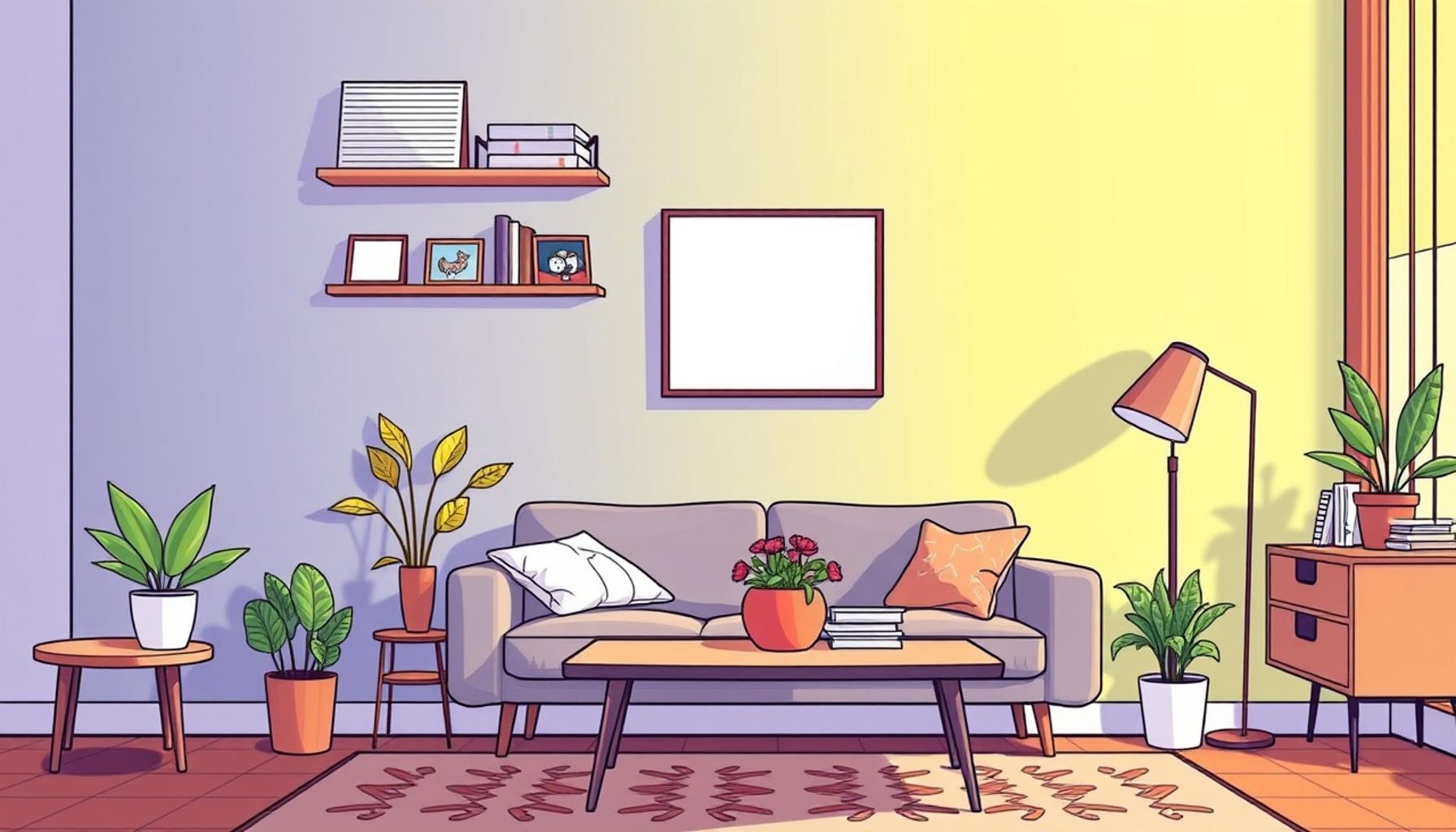
- Color Palette: Shades like beige, gray, and warm whites provide a versatile backdrop to any room. These colors facilitate a soothing atmosphere, making it easier to transition from day to night. For instance, a living room adorned with soft taupe walls can evoke warmth and comfort, while crisp white furnishings can create an open and airy feel. This combination allows for accents in brighter colors, through artwork or textiles, to truly stand out without overwhelming the senses.
- Textures: Incorporating materials such as wood, stone, and linen enriches the sensory experience. The rustic charm of reclaimed wood furniture not only enhances visual appeal but also tells a story of sustainability. Textures like plush linen curtains can soften harsh lines, contributing to a fuller, more inviting aesthetic. Think about a cozy reading nook where a natural wood bookshelf complements the soft, organic texture of a linen reading blanket, fostering an environment perfect for relaxation.
- Emotional Well-Being: A simpler aesthetic reduces clutter, promoting mental clarity and relaxation. Scientific research supports the notion that decluttering one’s space leads to reduced anxiety levels. Simple changes, such as opting for built-in storage solutions or multipurpose furniture, can greatly diminish visual noise, encouraging a calm mind and focused presence. For example, coffee tables that double as storage units can help keep clutter at bay while maintaining an elegant appearance.
Furthermore, adopting a minimalist design can encourage sustainable choices. Homeowners in the U.S. increasingly favor materials that have a low environmental impact, such as reclaimed wood furniture, bamboo flooring, or organic textiles. These choices not only align with modern eco-conscious values but also create a harmonious living environment that respects both style and the planet.
This article delves into the importance of simplicity and its influence on creating a harmonious home environment. By investigating the elements of neutral tones and natural textures, readers will discover how these choices can lead to a more peaceful and inviting space. Embracing these design principles is not simply about aesthetics; it promotes a lifestyle that prioritizes mindfulness, sustainability, and a genuine connection to one’s surroundings.
Embracing Simplicity in Design
As homeowners strive to curate spaces that reflect both personal style and a sense of calm, the use of neutral tones has become a dominant theme in interior design. These shades not only bring a level of sophistication to any environment but also serve as a blank canvas that readily accommodates a variety of accents and decor. Neutral colors reduce visual chaos, allowing the eyes to rest and the mind to unwind, which is particularly beneficial in a culture that often feels frenetic. For those seeking tranquility, incorporating colors such as muted greys, soft taupes, and gentle off-whites fosters a harmonious balance that is understated yet impactful.
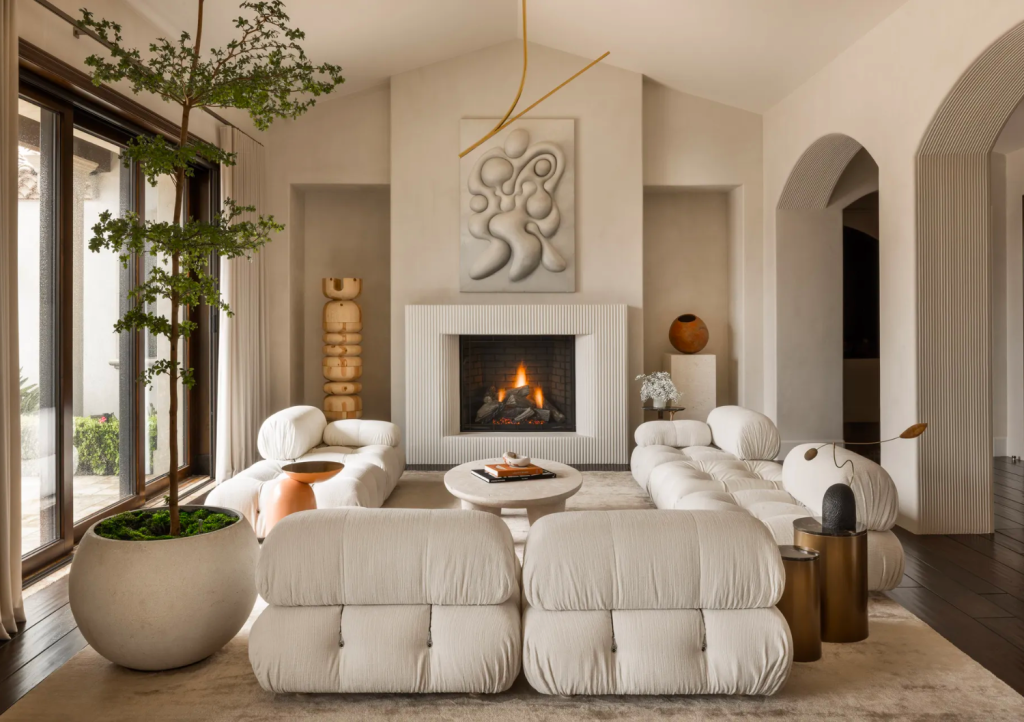
The beauty of embracing a neutral color palette lies in its versatility. Whether your preference leans towards a modern, minimalist aesthetic or a more traditional decor style, neutrals can effectively bridge the gap. For instance, consider a dining area featuring a soft beige wall coupled with a sleek walnut table. The interaction between the color and the rich wood grain creates a warm atmosphere conducive to gatherings, family dinners, or quiet moments alike. Moreover, the subtlety of these tones ensures that any seasonal decor or colorful table settings make a striking statement without conflicting with the overall ambiance.
Natural Textures for Depth and Warmth
Beyond color, the tactile experience of natural textures is essential to enhancing any home environment. Elements like woven wicker, textured wool, and the organic feel of stone contribute a sensory dimension that bolsters the calming effect of neutral hues. Rich textures can evoke feelings of warmth and comfort, emphasizing the connection to nature which many seek in their living spaces. For instance, a living room can come alive with the addition of a chunky knit throw draped over a soft leather couch, or a sisal rug beneath a light oak coffee table, creating a layered look that invites people to sink in and enjoy the space.
Furthermore, incorporating ecological materials not only heightens visual interest but also supports a sustainable lifestyle. Many consumers are now considering elements such as bamboo flooring or quartz countertops, which highlight the beauty of raw, natural resources while respecting the environment. This shift towards sustainability reflects a broader cultural change whereby consumers engage with products that are responsible and ethically sourced. Living in a home filled with such elements can shift one’s mindset, wherein every piece contributes not only to the aesthetic but also to the overall well-being of the inhabitants.
- Organic cotton textiles: Soft on the skin and environmentally friendly, these textiles add comfort and warmth.
- Reclaimed wood: A perfect statement piece that tells a story of sustainability while adding rustic charm.
- Natural stone: Ideal for countertops and flooring, the unique qualities of each stone enhance visual appeal and durability.
- Woven materials: From macramé wall hangings to jute storage baskets, these details infuse spaces with playful textures.
By thoughtfully blending neutral tones and natural textures, a home becomes more than just a living space. It evolves into an experience, enriching the emotional health of its occupants as they navigate their daily lives. As we explore further into the principles of simplicity in home design, it becomes increasingly clear that fostering a serene and inviting environment is not just about aesthetics; it’s about nurturing the spirit and creating a sanctuary that resonates with peace and harmony.
| Advantages | Description |
|---|---|
| Calming Atmosphere | The use of neutral tones promotes a serene environment, reducing stress and enhancing relaxation, making spaces feel more inviting. |
| Versatile Design | Natural textures combined with neutral shades create a timeless aesthetic that complements various styles, transitioning seamlessly between modern and traditional decor. |
| Enhanced Natural Light | Light hues reflect natural light, making spaces appear larger and brighter, effectively improving the overall ambiance of your home. |
| Emphasis on Nature | Incorporating natural textures, like wood and stone, enhances the connection to the environment, fostering a sense of tranquility and grounding. |
The utilization of neutral tones and natural textures is not merely a trend; it represents a profound shift towards a more thoughtful living environment. By choosing to simplify, homeowners can create a harmonious space that resonates with authenticity while embracing the beauty of the natural world. This approach not only enhances the aesthetic but also nurtures emotional well-being, promoting a peaceful lifestyle that today’s society deeply craves. As individuals explore this minimalist philosophy, they will discover its transformative power—turning ordinary spaces into sanctuaries. The balance achieved through these design principles invites further exploration of how simplicity can unlock the full potential of any home environment.
Creating a Cohesive Space through Balance
The essence of a serene home environment lies in the careful balancing of neutral tones and natural textures. Each element contributes to a cohesive look, reinforcing a sense of unity and calm. By skillfully layering different materials and shades within a defined palette, homeowners can evoke a feeling of serenity that permeates throughout their living spaces. For instance, the combination of a soft cream wall with a deep charcoal sofa creates an engaging contrast that still feels grounded. This intentionality in design fosters a space where relaxation is prioritized, making it easier for individuals to recharge in their own homes.
Moreover, the psychological impact of color choices extends well beyond simple aesthetics. Research in environmental psychology suggests that the colors we surround ourselves with can profoundly influence our emotions and behaviors. By choosing neutral tones, which are often associated with tranquility and balance, individuals can cultivate a peaceful atmosphere that encourages mindfulness. In busy urban settings, adopting such a palette may help counteract the stress of city life, serving as an oasis amidst chaos.
Fostering Connection with Nature
The integration of natural textures is not only visually appealing but also emphasizes our connection to the natural world. This relationship has been increasingly recognized as vital for mental and emotional well-being. Incorporating elements such as houseplants, wooden furniture, and natural light fosters a sense of groundedness that can be surprisingly powerful. Studies indicate that exposure to nature—even in subtle forms—can significantly reduce stress and improve mood. As such, a home imbued with wooden accents or adorned with greenery can act as a soothing refuge.
Additionally, the concept of biophilic design—a trend that promotes the inclusion of natural elements within built environments—has been gaining traction. This approach allows for a deeper connection to nature while remaining interior-focused. Featuring large windows that invite in daylight, using earthy materials like stone or clay, and integrating water features can transform an ordinary space into an experience that nourishes the spirit. This approach is particularly relevant in regions of the United States where long winters devoid of green can leave people feeling cooped up or isolated.
- Indoor gardens: Creating a dedicated indoor space for plants not only improves air quality but adds a living dimension to home decor.
- Textured wall finishes: From rough plaster to reclaimed wood paneling, these surfaces add depth and draw the eye, igniting curiosity.
- Natural light: Opting for sheer linens instead of heavy drapery allows light to filter in, connecting the interior with the outdoors.
- Artisan-made ceramics: These unique pieces can showcase imperfections and celebrate craftsmanship, adding character to the home.
By intertwining neutral tones with natural textures, homeowners are not just decorating— they are intentionally crafting environments that elevate emotional wellness. This philosophy encourages a lifestyle that prioritizes simplicity and calm while paving the way for creativity and personal expression. With every choice made in regard to materials and colors, the home becomes a reflection of the life lived within it, a space that upholds the values of serenity and simplicity in a complex world.
Embracing Simplicity for a Serene Home
In conclusion, the thoughtful integration of neutral tones and natural textures serves as a powerful tool for transforming home environments into peaceful sanctuaries. By embracing the concept of simplicity, homeowners can cultivate spaces that resonate with tranquility and encourage a deeper connection with their surroundings. The synergy between these design elements not only enhances visual appeal but also profoundly influences emotional well-being.
Research underscores that our living spaces significantly impact our mental state, and the calming effects of neutral tones and natural textures can alleviate the stresses of contemporary life. Whether choosing soft color palettes or incorporating live greenery, each decision shapes an atmosphere conducive to relaxation, mindfulness, and creativity. Furthermore, as biophilic design gains momentum, more individuals are recognizing the benefits of infusing natural elements into their homes. This trend aligns seamlessly with the growing awareness of sustainability and an appreciation for artisanal craftsmanship.
As we navigate an increasingly complex world, the pursuit of simplicity in our home environments becomes not just a design choice, but a lifestyle philosophy. Embracing neutral tones and natural textures not only enriches personal spaces but also invites a sense of calm amidst the chaos. As you contemplate your home environment, consider how these transformative elements can reflect your values, enhance your well-being, and create a nurturing space that resonates with your true self.
Related posts:
The Art of Simple Décor: How Minimalism Transforms Small Spaces
Incorporating Natural Elements into Simple Decor: Sustainability and Minimalism
Organization and Aesthetics: Integrating Functionality into Simple Décor
Simple Decor and the Art of Letting Go: How to Change Your Mindset about Objects and Spaces
Minimalist Lifestyle: How Simple Décor Contributes to Stress Reduction and Increased Mental Clarity
The Importance of Color in Simple Décor: Choosing Palettes that Inspire Tranquility

Linda Carter is a writer and organization expert specializing in minimalism and personal organization. With extensive experience helping individuals create clutter-free, functional spaces and adopt mindful habits, Linda shares her knowledge on our platform. Her goal is to empower readers with practical advice and strategies to simplify their lives, stay organized, and achieve a sense of calm and balance in their daily routines.