
Integrating Nature into Efficient Space Design: Biophilic Minimalism
Understanding Biophilic Design
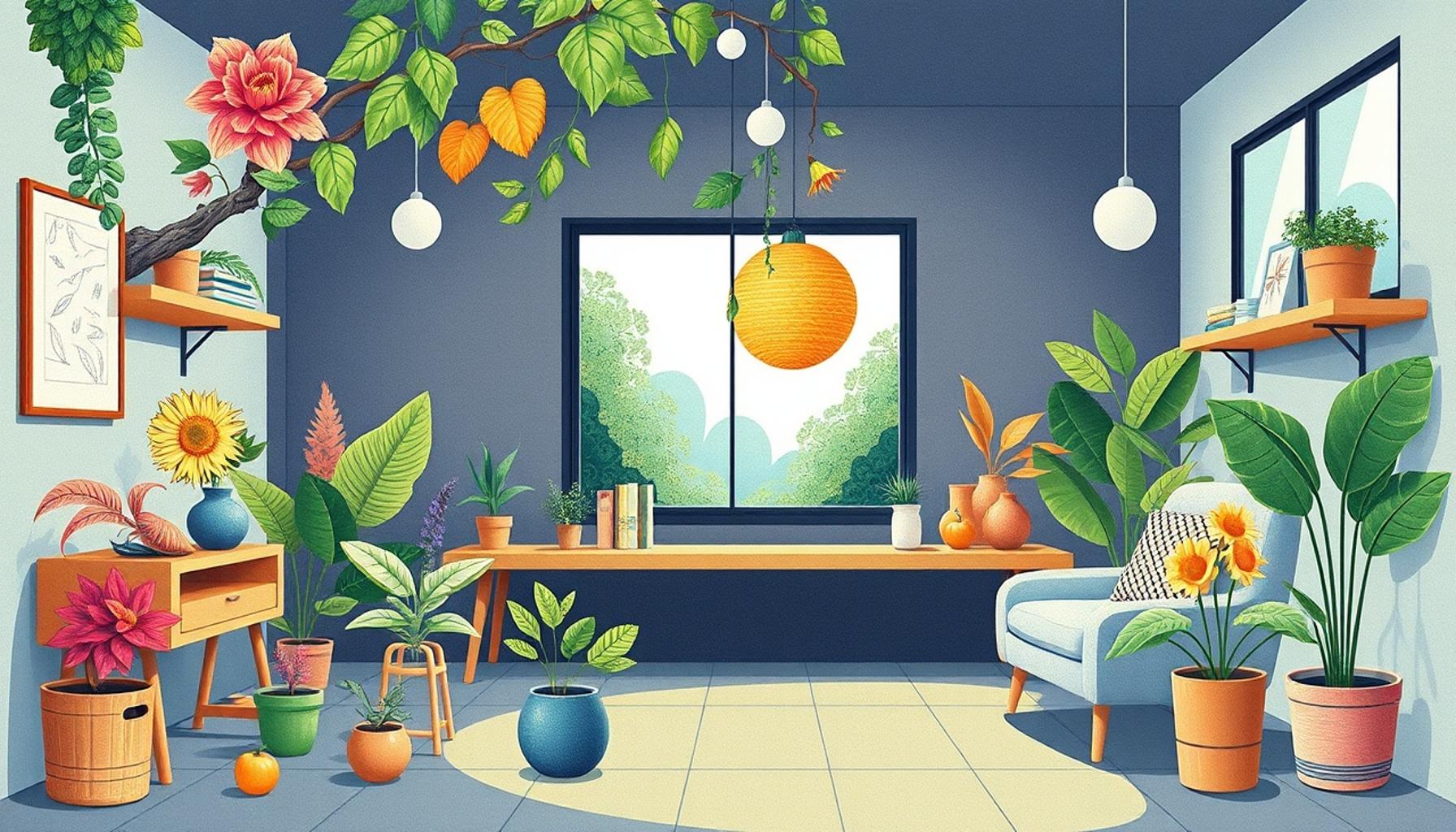
In today’s urban landscape, the built environment often prioritizes functionality over connection with the natural world. This disconnect can lead to increased stress levels, decreased mental clarity, and a lack of overall well-being. In response, biophilic design emerges as a groundbreaking approach that reintroduces the comforting elements of nature into architectural spaces. This design philosophy seeks to foster a sense of peace and efficiency by harmonizing natural elements within our everyday environments.
Visualize a workspace bathed in warm, natural light—a hallmark of biophilic design. Large windows not only enhance aesthetic appeal but also allow sunlight to stream in, boosting mood and productivity. Additionally, the presence of indoor plants plays a crucial role. Not only do they improve air quality by filtering toxins, but studies have shown that greenery in workspaces can lead to a 15% increase in cognitive function. From vibrant potted succulents to sprawling green walls, these elements breathe life into sterile environments.
Among the various styles of biophilic design, biophilic minimalism stands out. This approach marries simplicity with natural beauty, focusing on less clutter and more intentionality. By utilizing natural materials like wood and stone, and incorporating designs that echo the organic forms found in nature—think curvilinear shapes inspired by leaves and water—architects create environments that are stunning yet practical. Such minimalist aesthetics enable individuals to focus better, fostering a creative and productive atmosphere.
Moreover, the benefits of integrating nature into our spaces are well-documented. Research indicates that exposure to natural elements can reduce stress levels by as much as 60%, providing compelling evidence for the incorporation of biophilic principles into design. For instance, workplaces designed with biophilia not only improve employee well-being but can also enhance overall company performance through reduced absenteeism and heightened job satisfaction.
As we continue to explore this innovative blueprint for the future, the applications of biophilic minimalism extend beyond residential homes to include commercial properties, schools, and healthcare facilities. Imagine a bustling hospital that features serene water features and soothing gardens, or an office complex adorned with indoor forests that promote collaboration and creativity. These designs can create sanctuaries amid the chaos of modern life, reminding us that nature’s presence is not only beneficial but essential for our well-being.
In conclusion, embracing biophilic design, particularly biophilic minimalism, opens new pathways for creating harmonious spaces. As we immerse ourselves in this transformative approach, we uncover the rich potential of our surroundings—where well-being, productivity, and beauty converge in a balanced and thoughtful environment.
The Principles of Biophilic Minimalism
At its core, biophilic minimalism is built upon the idea that less is often more. This design practice seeks to minimize excess clutter and distractions while enhancing the intrinsic connection to nature. By prioritizing essential elements and utilizing natural materials, spaces can be designed to foster productivity and tranquility. The principles of biophilic minimalism include a careful selection of materials, thoughtful spatial layouts, and the incorporation of natural light, all intended to enrich the user’s experience.
Natural materials such as wood, stone, and bamboo are not only aesthetically pleasing but also evoke a sense of warmth and comfort. These elements can serve as focal points within a space, leading to an emotional connection with one’s surroundings. For example, an office outfitted with reclaimed wood furnishings and stone accents presents a tactile experience that synthetic materials simply cannot replicate.
Maximizing Natural Light
One of the most critical factors in biophilic design is the effective use of natural light. Large windows and skylights create bright and welcoming environments, allowing sunlight to permeate deep into the space. Exposure to natural light can enhance mood, improve sleep, and increase overall well-being. Research shows that individuals working in environments with ample daylight have up to a 20% higher productivity rate compared to those in poorly lit offices. To capitalize on this, designers often incorporate:
- Large windows: Strategically placed to maximize sunlight during the day.
- Light wells: Designed to bring light to lower levels of buildings.
- Translucent materials: Used for walls and ceilings to diffuse natural light.
The thoughtful arrangement of space also plays a critical role in biophilic minimalism. Open floor plans can promote airflow and foster collaboration among individuals, while dedicated quiet zones provide areas for reflection and concentration. By ensuring that spaces are designed with connectivity in mind, the principles of biophilic minimalism help to create harmonious environments that inspire creativity and innovation.
Incorporating Nature Elementally
Integrating natural elements into space design can take many forms, ranging from indoor gardens to water features. These elements serve not only a decorative purpose but also enhance the physiological and psychological aspects of human experience. Research indicates that workplaces with plants can lead to improved concentration, resulting in a 30% boost in overall employee performance. Some methods to incorporate nature within design include:
- Green roofs: These not only support biodiversity but can also regulate building temperatures.
- Indoor plants: Strategically placed foliage can improve air quality while providing visual relief.
- Water features: The sound of flowing water can induce relaxation and reduce stress levels.
By embracing the principles of biophilic minimalism, designers can create environments that transcend mere functionality. The careful integration of natural light, materials, and elements nurtures a sense of belonging and well-being, offering an oasis in the increasingly frenetic pace of modern life. As individuals and organizations begin to prioritize these design philosophies, the potential benefits for both mental and physical health become clear, indicating that the fusion of nature and space could usher in a new era of enlightened design.
| Category | Advantages |
|---|---|
| Natural Light Utilization | Enhances mood and productivity; reduces energy consumption. |
| Green Spaces Integration | Improves air quality and promotes well-being; encourages social interaction. |
| Sustainable Materials | Reduces environmental impact; increases sustainability of designs. |
| Design Flexibility | Allows personalization of spaces; fosters creativity and adaptability. |
Integrating nature into efficient space design through the principles of biophilic minimalism offers a transformative approach to how we interact with our surroundings. The emphasis on elements like natural light and plant life within architectural frameworks delivers myriad benefits not only aesthetically but also psychologically. This design philosophy recognizes that our connection to nature is essential for mental clarity and emotional health, making spaces more livable and enjoyable.Utilizing natural light, for example, can dramatically enhance mood and productivity levels while also aiding in energy conservation. Moreover, the integration of green spaces not only purifies indoor air quality but also serves as vital communal areas, thereby enhancing social connections among occupants. On the other hand, the focus on sustainable materials in design significantly reduces environmental footprints and paves the way for greener living spaces.Furthermore, this innovative approach fosters design flexibility, allowing for spaces to be adapted according to personal needs and changes in environment, enriching the user experience even more. As we explore these aspects of biophilic minimalism, we discover that harmonizing human habitation with nature is not merely a trend; it is a necessary evolution in our built environment.
Enhancing User Experience through Biophilic Design
The essence of biophilic minimalism lies not just in the aesthetics but also in the profound impact it has on user behavior and experience. By carefully crafting spaces that incorporate nature, designers can significantly enhance human interactions within those environments. When users are enveloped in designs that evoke nature, they often feel more connected, engaged, and at ease. This transformation is supported by mounting evidence that nature-centric designs can lead to superior cognitive function and emotional well-being.
Psychological Benefits of Nature Integration
The relationship between nature and humanity is well-documented, with studies indicating that engagement with natural elements can enhance mental health. The concept of attention restoration theory posits that natural environments help restore depleted cognitive resources, leading to improved focus and creativity. An intriguing study by the University of Melbourne found that just a view of green spaces can lead to a 10% increase in student attention and performance. Thus, incorporating features such as outdoor vistas or views of trees from windows can profoundly alter the dynamics of learning and productivity within a space.
Furthermore, workplaces that integrate biophilic design elements report reduced stress levels, lower incidences of employee burnout, and increased job satisfaction. Incorporating natural textures, colors, and sounds can create a more harmonious atmosphere, encouraging employees to find balance amid their busy schedules. For example, offices that feature natural wood finishes and sound-absorbing wall panels can create environments that are not only aesthetically pleasing but also acoustically conducive to wellness.
Inspiring Community Interaction
Biophilic design doesn’t just benefit individual experiences; it also encourages community interaction. Public spaces, such as parks and plazas, that integrate natural features can become vibrant gathering places. The presence of greenery—be it through trees, gardens, or natural landscapes—fosters social cohesion and encourages spontaneous interactions among community members. Urban designs that prioritize walkability and access to green spaces can improve social dynamics significantly. A notable example includes the High Line in New York City, which transformed an abandoned railway into a green space that has attracted millions of visitors each year, invigorating local businesses and strengthening community ties.
Technology and Nature: A Harmonious Coalition
In our high-tech society, the fusion of nature elements with technology can lead to truly innovative spatial designs. Smart technologies can monitor light levels and adjust indoor lighting accordingly, simulating natural sunlight patterns that align with users’ circadian rhythms. When combined with biophilic principles, these advancements create environments that adapt to the needs of their inhabitants. Innovative designs like biophilic smart homes utilize technology to optimize ventilation and airflow, ensuring a constant connection to the outside world while remaining energy efficient.
The appeal of biophilic minimalism lies not only in its visual aesthetics but in its capacity to foster a deeper connection between people and their environments. As designers continue to explore groundbreaking methods to enhance the human-nature relationship, the possibilities for creating spaces that uplift and inspire become ever more compelling. This integration of nature within efficiency-driven designs seeks to redefine how we interact with our surroundings, making a powerful statement that prioritizes well-being and community. As the narrative surrounding urban and interior design evolves, the lessons of biophilic minimalism offer a tantalizing glimpse into a future where nature and humanity coexist in harmony.
Conclusion: A Transformative Approach to Space Design
As we navigate the complexities of urbanization and modern living, the integration of nature into efficient space design through biophilic minimalism presents a transformative approach that emphasizes both form and function. By reconciling architectural practices with the natural world, we create spaces that not only serve practical purposes but also nurture the mental well-being and emotional health of their inhabitants. The psychological benefits of interacting with nature are profound; improved focus, reduced stress, and enhanced community engagement are just the tip of the iceberg.
Moreover, the embrace of technology in facilitating these connections offers exciting prospects for future design. Smart technologies that align with biophilic principles can enhance our interactions with natural elements, creating settings that are responsive to our needs. As the high-profile success stories of projects like the High Line illustrate, urban landscapes can be revitalized to foster social bonds, stimulate local economies, and create sanctuaries within bustling environments.
In conclusion, biophilic minimalism is not merely an architectural trend but a holistic philosophy that champions our innate bond with nature. The successful integration of these principles invites us to rethink our environments, urging designers, city planners, and communities to embrace a harmonious coexistence with the natural world. As we move forward, understanding the powerful interplay of design, technology, and nature will be essential in shaping spaces that uplift and inspire. Ultimately, the journey towards a more nature-infused future is one that beckons us all to participate—creating a legacy of wellness for generations to come.
Related posts:
Creating Multi-Functional Spaces: The Art of Minimalist Design
The Role of Minimalism in Sustainable Living: Efficient Space for a Greener Future
Creating Efficient Spaces: The Role of Multipurpose Furniture in Minimalist Living
Mindful Organization: How Minimalism Enhances Productivity in Workspaces
The Art of Decluttering: Creating Efficient Spaces in Your Home
Digital Minimalism: Organizing Virtual Spaces for Efficient Workflow

Linda Carter is a writer and organization expert specializing in minimalism and personal organization. With extensive experience helping individuals create clutter-free, functional spaces and adopt mindful habits, Linda shares her knowledge on our platform. Her goal is to empower readers with practical advice and strategies to simplify their lives, stay organized, and achieve a sense of calm and balance in their daily routines.