Incorporating Natural Elements into Simple Decor: Sustainability and Minimalism

Transforming Spaces with Nature’s Touch
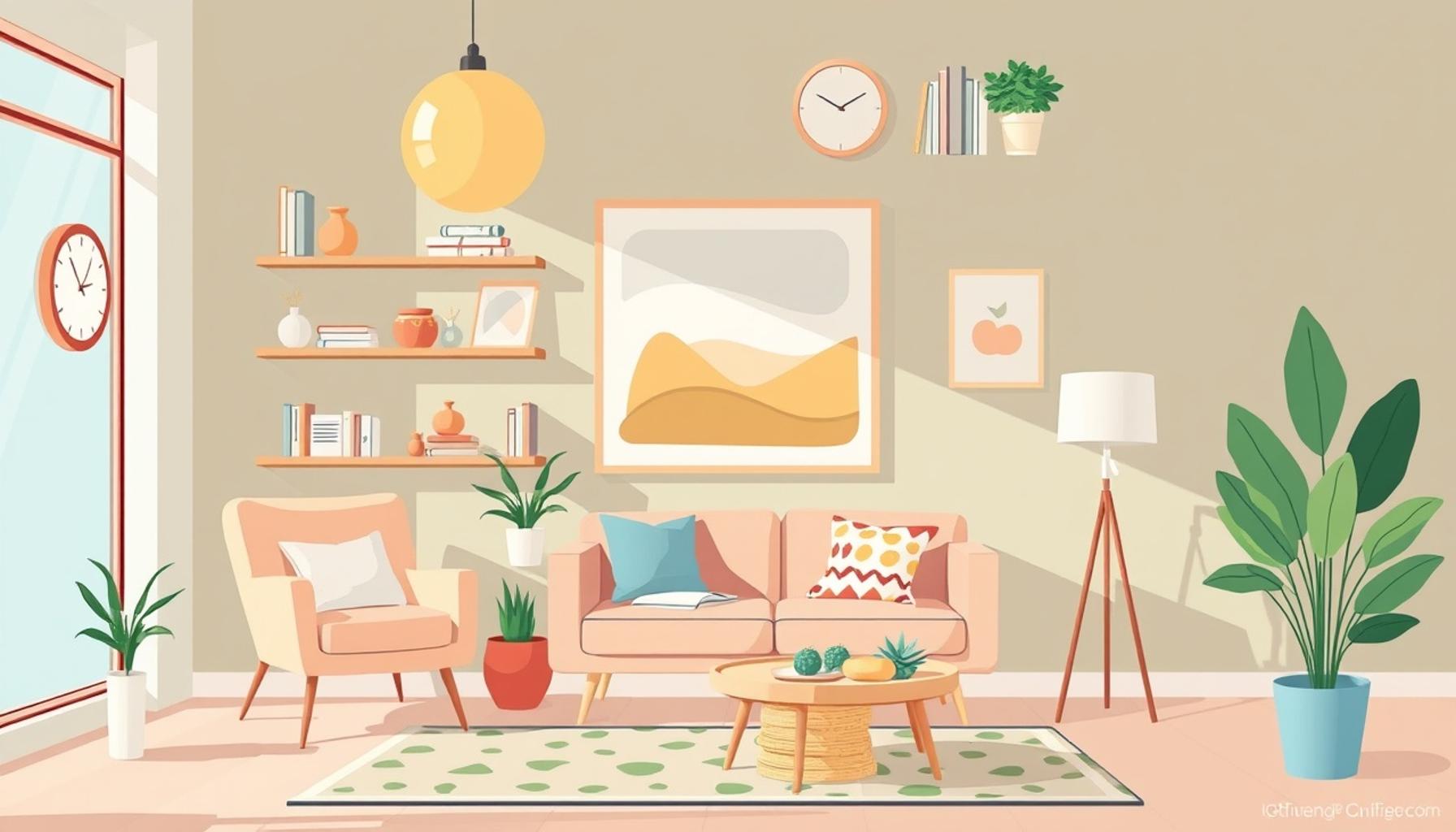
As modern living evolves, a growing desire for simplicity and sustainability shapes our decor choices. Incorporating natural elements into simple decor not only enhances aesthetic appeal but also promotes a more eco-friendly lifestyle. This movement reflects a broader awareness of environmental concerns and a shift in consumer values, prioritizing a harmonious relationship with the natural world.
Here are key features of this approach:
- Sustainability: Using materials that are renewable and environmentally friendly. This includes sourcing recycled wood, bamboo, and organic textiles that reduce carbon footprints while supporting eco-conscious manufacturers.
- Minimalism: Emphasizing clean lines and uncluttered spaces for a serene atmosphere. The minimalist approach eliminates distractions, allowing natural beauty to take center stage and enhancing mental wellness by creating a calming environment.
- Naturescape: Focusing on colors and textures that reflect the beauty of the outdoors. Earth tones like greens, browns, and soft creams bring a sense of togetherness with nature, fostering tranquility and relaxation within indoor spaces.
Imagine spaces enriched with:
- Wood: From furniture to wall accents, wood brings warmth and authenticity. Reclaimed wood pieces not only provide a rustic charm but also tell a story, connecting your home with history and sustainability.
- Plants: Indoor plants purify the air while adding vibrant life to your surroundings. Varieties like snake plants and pothos are not only low-maintenance but can drastically improve indoor air quality, making your home healthier.
- Natural Fibers: Textiles made from cotton, jute, or linen complement minimalist designs. Soft linen curtains or jute rugs add an organic texture that invites comfort, while also being biodegradable and sustainable.
This movement is not simply a trend; it embodies a lifestyle shift toward conscious consumption. By exploring natural decor elements, individuals can create harmonious spaces that resonate with their values, making every piece in their home a reflection of both aesthetic preferences and environmental responsibility.
The allure of blending sustainability with minimalism opens doors to innovative design possibilities. For instance, some designers utilize vertical gardens or biophilic design principles to maximize space while inviting nature indoors, transforming walls into living art. Discover how to seamlessly merge these concepts into your home, enhancing both beauty and ecological responsibility. Consider engaging with local artisans or sustainable brands for unique decor pieces that will not only elevate your space but also contribute to a larger movement toward a greener planet.
Embracing Natural Designs for a Sustainable Future
Incorporating natural elements into simple decor offers both aesthetic delight and a commitment to sustainability. As homeowners increasingly seek to harmonize their living spaces with the environment, the use of natural materials has grown in popularity. This evolution fosters not only individual well-being but also reflects collective responsibility towards our planet. Here, we explore the significance of natural elements in simple decor and how they align with the principles of sustainability and minimalism.
Choosing Natural Materials: The Backbone of Sustainable Decor
When it comes to creating a decor that is both beautiful and sustainable, natural materials play a pivotal role. Decor elements crafted from sustainable sources not only reduce your carbon footprint but also contribute to healthier indoor environments. Consider the following materials:
- Reclaimed Wood: By repurposing wood from old barns, warehouses, or furniture, you are not only saving trees but also adding character to your space. Reclaimed wood has a unique patina that adds depth and history, making each piece one-of-a-kind.
- Bamboo: This fast-growing grass is an excellent alternative to traditional hardwoods. Its rapid renewability and strength make it a desirable choice for furniture, flooring, and decor accents.
- Organic Textiles: Fabrics made from organic cotton, hemp, or linen are free from harmful pesticides and chemicals, making them a healthier choice for you and the environment. Incorporating these textiles into your home through cushions, throws, and curtains bridges comfort with sustainability.
The Role of Plant Life in Simple Decor
Integrating indoor plants into your decor offers numerous benefits beyond mere aesthetics. Plants not only enhance the visual appeal of a space but also improve air quality, creating a healthier living environment. Studies have shown that certain plants can remove toxins from the air, while others can boost mood and productivity. Here are some popular indoor plants to consider:
- Snake Plant: Known for its resilience, the snake plant tolerates low light and requires minimal care, making it perfect for novice plant parents.
- Pothos: With its trailing vines, pothos thrives in various lighting conditions and is highly effective at filtering indoor air.
- Peace Lily: This elegant plant blooms beautifully while also efficiently removing common household pollutants.
Using plants in decor is an essential component of the naturescape approach, fostering a connection to the outdoors. Beyond their health benefits, they serve as living art, evolving with each passing season and breathing life into a minimalist space.
The idea of merging natural elements with sustainability and minimalism challenges us to consider not just what we seek to integrate into our homes, but the impact those choices have on our surroundings. By thoughtfully selecting and incorporating these elements, we can cultivate an environment that appears effortless yet is deeply anchored in sustainability and conscious living.
| Advantages of Natural Elements | Impact on Decor |
|---|---|
| Sustainability | Natural elements are often sourced from sustainable materials, reducing the carbon footprint associated with home decor. |
| Aesthetic Appeal | Incorporating organic textures and colors enhances visual harmony, creating a tranquil environment. |
| Health Benefits | Natural elements can improve indoor air quality, promoting better health and well-being. |
| Emotional Connection | Bringing nature indoors fosters a sense of peace and connection to the environment. |
By integrating natural elements into decor, homeowners not only promote sustainability but also embrace the principles of minimalism. The deliberate choice of using organic materials such as bamboo, reclaimed wood, or stone can create spaces that celebrate simplicity while benefiting the planet. Moreover, incorporating plants, whether as decorative pieces or air purifiers, introduces life and vitality to any room, enhancing the overall atmosphere. Interior designs that emphasize natural elements encourage mindfulness and tranquility, pivotal in today’s fast-paced world. As individuals increasingly seek resources that align with their values, the commitment to sustainable decor through natural elements becomes not just an aesthetic choice but a lifestyle statement that resonates deeply with the growing awareness of environmental consciousness.
Blending Functionality with Aesthetic Appeal
The marriage of functionality and aesthetic appeal is a hallmark of incorporating natural elements into simple decor. When curated thoughtfully, decor becomes not just visually striking but also practical—enhancing everyday living while minimizing environmental impact. We delve into some adaptable strategies for how you can amplify your home’s decor with natural elements while maintaining simplicity and sustainability.
Functional Decor: The Power of Multi-Purpose Pieces
One excellent way to embrace minimalism while ensuring sustainability is by opting for multi-purpose furnishings. These functional pieces serve dual roles, allowing you to reduce clutter without compromising on style. Here are a few examples:
- Storage Ottomans: Perfect for hiding away blankets or magazines, a storage ottoman made from natural fibers not only boosts seating but also keeps your space organized.
- Convertible Furniture: Items such as a sofa bed or extending dining table facilitate efficient use of space in smaller homes while being customizable to evolving needs.
- Planters with Integrated Storage: Wall-mounted planters enable you to showcase greenery while providing a ledge for small items, merging plant life with essential utility.
Adopting such multi-functional solutions guarantees that your decor is not only aesthetically pleasing but also considerate of sustainability by extending the life cycle of your furnishings.
Earthy Color Palettes: Nature’s Touch
Color plays an essential role in evoking feelings within a space, and earthy tones derived from nature can create a serene atmosphere. Shades that represent elements such as forest greens, sandy beiges, and muted browns can seamlessly complement a minimalist approach:
- Walls: Painting your walls in soft, natural colors can help bring the outdoors in, creating a calming backdrop for your decor.
- Accents: Use natural hues for accessories like cushions, rugs, and throw blankets to add depth while ensuring harmony within your interior.
- Artwork: Displaying nature-themed artwork not only decorates but also connects your offering physically and emotionally, linking you to the wider world.
Incorporating an earthy color palette resonates with the principles of both sustainability and minimalism, as they foster a peaceful environment while encouraging a deeper appreciation for the natural world.
Minimalist Design Choices: Prioritizing Quality Over Quantity
The minimalist philosophy advocates for quality over quantity, encouraging homeowners to invest in fewer, high-quality pieces rather than filling spaces with numerous lesser items. When selecting decor, consider:
- Local Artisans: Supporting local artists who create decor from sustainable materials can yield unique, handcrafted items that enhance your decor’s narrative.
- Timeless Designs: Choosing decor that stands the test of time, in both style and durability, ensures longevity and prevents frequently replacing items, thereby reducing waste.
- Signature Centerpieces: Rather than cluttering surfaces with multiple items, opt for fewer, striking pieces—such as a large driftwood sculpture or a stone vase filled with dried flowers. These choices promote a simplistic beauty that captures attention.
By focusing on quality and intention, you foster a connection to your decor, turning your living space into an expression of your values and a celebration of natural beauty.
Incorporating natural elements into decor represents a thoughtful blend of sustainability and minimalism. Your choices echo a broader shift toward environmentally-conscious living while nurturing an appreciation for simplicity in design, ultimately transforming your home into a restful oasis that nourishes both the spirit and the planet.
Embracing Nature in Home Decor: A Final Thought
In conclusion, embracing natural elements in home decor is not merely a passing trend; it is a profound commitment to sustainability and minimalism that resonates deeply in today’s world. By prioritizing simplicity and environmental impact, homeowners can create spaces that are not only aesthetically pleasing but also meaningful and functional. The integration of multi-purpose furnishings, earthy color palettes, and timeless designs fosters a harmonious connection to nature, while simultaneously encouraging conscious consumption.
As we navigate a landscape increasingly impacted by climate change, the choices we make in our living spaces become a reflection of our values and aspirations. Each piece selected—from handcrafted items by local artisans to thoughtfully designed decor—contributes to a narrative that celebrates quality over quantity. This intentionality transforms our homes into sanctuaries that not only exhibit personal style but also respect and honor the natural world.
Sustainability and minimalism go hand in hand, each enhancing the other in a dance that elevates everyday living. As you embark on your journey of incorporating natural elements into your decor, consider the power of your choices. Engage with the world around you, explore local markets, and invest in items that tell a story. In doing so, you will not only beautify your home but also contribute to a more sustainable future.
By choosing to embrace these principles, we can redefine what it means to create a home—one that is as nurturing for the soul as it is for the environment, inviting peace, beauty, and connection into every aspect of our lives.
Related posts:
Creating Calming Environments: The Impact of Simple Décor on Mental Health
The Evolution of Simple Décor: Modern and Classic Trends in Minimalism
Simple Decor and Functionality: Multifunctional Furniture for Minimalist Spaces
Organization and Aesthetics: Integrating Functionality into Simple Décor
The Importance of Color in Simple Décor: Choosing Palettes that Inspire Tranquility
The Influence of Simple Décor on Productivity: Creating Efficient Workspaces

Linda Carter is a writer and organization expert specializing in minimalism and personal organization. With extensive experience helping individuals create clutter-free, functional spaces and adopt mindful habits, Linda shares her knowledge on our platform. Her goal is to empower readers with practical advice and strategies to simplify their lives, stay organized, and achieve a sense of calm and balance in their daily routines.