How Positive Affirmations Can Transform Self-Image and Promote Emotional Well-Being

The Power of Positive Affirmations
In a world where negative thoughts can easily overshadow self-worth, the use of positive affirmations emerges as a beacon of hope. These simple yet profound statements can reshape how individuals view themselves, nurturing a healthier and more balanced emotional state. But what exactly are positive affirmations, and how can they make a significant impact on our daily lives?
- Definition: Positive affirmations are short, powerful statements that encourage self-acceptance and resilience. They serve as reminders of one’s strengths and capabilities, acting as mental boosts when self-doubt creeps in.
- Purpose: Designed to challenge and control negative thoughts, they help in promoting a more positive self-image. The purpose extends beyond mere verbalization; it involves truly believing these statements to rewire an individual’s mindset.
- Benefits: Increased confidence, reduced anxiety, and improved motivation are just a few advantages. Numerous studies have shown that regularly practicing positive affirmations can enhance overall mental health, leading to better performance in various aspects of life.
Research indicates that incorporating these affirmations into daily routines can foster emotional well-being. For example, a person might start their day by saying, “I am worthy of love and respect,” or “I believe in my abilities.” Such practices can trigger changes in mindset, enabling individuals to face challenges with greater resilience. When repeated often, these affirmations can penetrate the subconscious mind, altering negative self-perceptions and instilling a sense of empowerment.
Moreover, as society increasingly recognizes the link between mental health and self-image, positive affirmations gain momentum as a practical tool. For instance, individuals facing job interviews or public speaking engagements often benefit by affirming statements such as “I am confident and capable” to alleviate anxiety. Whether spoken aloud or written in a journal, these affirmations offer a path to self-discovery and self-improvement.
Furthermore, studies indicate that affirmations can activate the brain’s reward centers, enhancing feelings of self-worth and positivity. When regularly practiced, individuals report a significant decrease in self-critical thoughts—and who wouldn’t want to reduce that internal negativity? By creating a habit of positive self-talk, individuals can cultivate a more favorable outlook on life and increase their overall motivation to pursue goals.
Join the Journey
As we delve deeper into this topic, you will uncover various techniques for implementing affirmations into everyday life. Prepare to explore how this simple, yet transformative practice can elevate your emotional well-being and reshape your self-image for the better. By including affirmations in morning routines, meditation practices, or even during commutes, individuals can engage in a powerful form of mental conditioning that aligns them with their ambitions and desires, proving that the journey towards self-improvement can start with just a few words.
Whether you are curious about the science behind affirmations or excited to explore personal stories of transformation, the impact of positive affirmations is profound and stimulating. Embrace this tool and discover the potential that lies within each positive thought you choose to embrace.
Dive Deeper: Click here to discover the power of positive affirmations
Understanding the Mechanism of Positive Affirmations
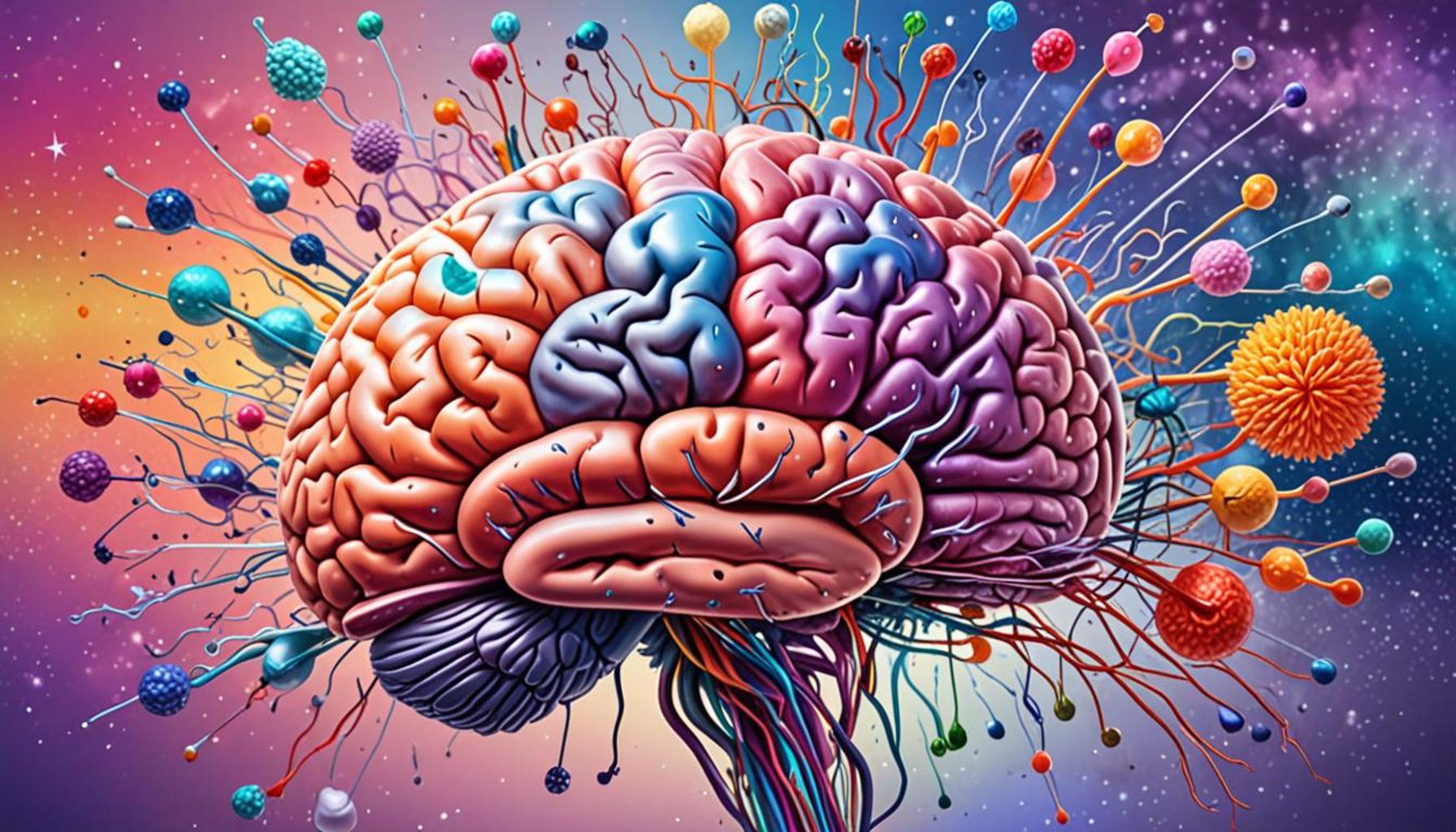
To comprehend the profound effect of positive affirmations, it is essential to explore the psychological mechanisms behind this technique. At the heart of positive affirmations lies the concept of neuroplasticity, which refers to the brain’s ability to reorganize itself by forming new neural connections throughout life. This property allows individuals to reshape their thoughts and beliefs, creating an opportunity for a more positive self-image.
When one engages in the practice of positive affirmations, the brain’s pathways that reinforce negative thoughts begin to weaken. As they persistently affirm their worth and capability, individuals cultivate a mindset that embraces self-acceptance and confidence. Over time, these affirmations can effectively drown out the echo of self-doubt and negativity, resulting in a refreshed perspective.
Incorporating positive affirmations into daily routines requires intentionality and consistency. Here are several practical tips on how to effectively use affirmations:
- Choose Authentic Statements: Select affirmations that resonate personally. For example, instead of generic statements, try phrases like “I am proud of my accomplishments” or “I handle challenges with grace.” It’s important that these affirmations feel true and motivating to you.
- Make it a Daily Habit: Consistency is key. Integrate affirmations into your morning routine or evening reflection. Setting aside just a few moments daily enables a stronger connection between the affirmation and your self-perception.
- Utilize Visual or Auditory Cues: Enhance the impact of affirmations by creating visual reminders, like sticky notes in prominent locations, or listening to recorded affirmations. These sensory stimuli can facilitate deeper emotional connections and reinforce positive thinking.
- Visualize Success: Combine affirmations with visualization techniques. While repeating an affirmation, picture yourself embodying the qualities you aspire to possess, helping the affirmation resonate more profoundly.
- Embrace Self-Compassion: Understand that self-improvement is a journey. Progress may come in waves, and practicing patience with oneself while using affirmations is as valuable as the affirmations themselves.
The role of language in shaping self-identity cannot be overstated. Positive affirmations can shift the internal dialogue, replacing critical thoughts with compassionate and empowering ones. Research conducted by psychologists shows that such practices can lead to measurable increases in self-esteem and overall emotional well-being. By practicing this transformative approach, one not only enhances their perception of self but also creates a ripple effect on their relationships and daily interactions.
In addition to the personal benefits, societies that prioritize mental health and well-being are beginning to integrate the practice of positive affirmations into various settings. From classrooms to corporate environments, leaders are recognizing the impact of a positive mindset on productivity and collaboration. As organizations emphasize well-being, the implementation of affirmations stands out as a practical strategy to foster resilience and community spirit.
The Ripple Effect of Affirmations
The journey through positive affirmations is not just an individual endeavor; it can lead to a collective improvement in emotional well-being. Individuals who engage in this practice often inspire those around them, creating a supportive environment that nurtures growth and positivity. As we continue to explore how positive affirmations can shape self-image and emotional health, it becomes increasingly clear that a few powerful words can create waves of change in the broader fabric of society.
Understanding the Mechanisms Behind Positive Affirmations
Positive affirmations serve as powerful mental tools, promoting self-improvement and enhancing emotional well-being. The essence of these affirmations lies in their ability to challenge negative self-talk and replace it with positive beliefs. By consciously practicing affirmations, individuals can rewire their thought processes, fostering a more empowering self-image. This process is deeply rooted in psychology, with studies suggesting that consistent use of positive statements can lead to significant behavioral changes and increased resilience.One of the core mechanisms through which positive affirmations operate is the concept of self-affirmation theory. This theory posits that affirming one’s self-integrity can buffer against the damaging effects of negative experiences. When individuals engage in affirming statements, it activates their self-worth, which can subsequently mitigate stress and anxiety levels. This is particularly pertinent in challenging situations where self-doubt may otherwise take hold.Additionally, positive affirmations can enhance emotional regulation. By focusing on constructive thoughts, individuals improve their responses to emotional triggers, leading to a healthier mental state. For instance, replacing “I am not good enough” with “I am capable and worthy of success” can shift emotions from feelings of inadequacy to self-assurance. This transformation not only uplifts mood but also cultivates a growth mindset, encouraging individuals to pursue goals with determination and confidence.Moreover, incorporating positive affirmations into daily routines can create a ripple effect in various aspects of life. When individuals internalize these affirmations, they often notice improvements in their relationships, career aspirations, and overall life satisfaction. The cycle of positivity fosters better decision-making, healthier interactions, and an enriched quality of life. Through focused practice, affirmations can indeed become vital components in one’s journey toward enhanced self-image and emotional well-being.
| Benefits of Positive Affirmations | Key Features and Characteristics |
|---|---|
| Improved Self-Esteem | Positively reframing self-perception fosters a stronger sense of self-worth. |
| Enhanced Emotional Regulation | Facilitates better management of emotional responses during challenging situations. |
| Increased Motivation | Inspires proactive efforts toward achieving personal and professional goals. |
DISCOVER MORE: Click here to enhance your understanding
The Science Behind the Power of Affirmations
Scientific research increasingly supports the notion that positive affirmations can lead to significant changes in self-image and emotional well-being. One such study conducted by researchers at the University of California found that individuals who practiced positive affirmations exhibited greater activity in the brain’s reward centers, particularly when they reinforced personal values and beliefs. This suggests that engaging in affirmations not only alters one’s self-perception but also triggers a biochemical response that enhances motivation and resilience.
Furthermore, affirmations have been shown to reduce stress and anxiety levels. A study published in the journal Psychological Science indicated that participants who recited affirmations before a stressful task demonstrated lower cortisol levels—often referred to as the “stress hormone.” This physiological response underscores the idea that positive self-reinforcement can create a buffer against the mental and physical repercussions of stress, contributing to a healthier emotional state.
The Role of Affirmations in Mental Health Initiatives
With an increasing awareness of mental health issues across the United States, many therapists and mental health professionals incorporate positive affirmations into their practice as a complementary tool for therapeutic outcomes. Cognitive Behavioral Therapy (CBT), for instance, leverages the principles of affirmations to challenge and reframe negative thinking patterns. Clients learn to replace self-critical thoughts with affirming statements, effectively altering their narratives and promoting healthier coping mechanisms.
In schools, educators have begun promoting positive affirmations as an intervention strategy to foster a supportive learning environment. Programs that integrate affirmations into social-emotional learning initiatives have shown promising results. For instance, students engaging in daily affirmation exercises report higher levels of self-esteem and a decrease in feelings of isolation. These initiatives not only enhance students’ sense of belonging but also contribute to a positive school culture.
Affirmations in the Workplace
The workplace is another arena where positive affirmations can yield impressive outcomes. Progressive companies are beginning to implement affirmation practices among their teams, recognizing that a positive self-image translates directly to increased productivity and morale. For example, firms like Google and Microsoft have integrated mindfulness and affirmation exercises into employee wellness programs. According to recent surveys, employees participating in such programs tend to demonstrate greater job satisfaction and a lower rate of burnout.
- Team Building: Group affirmation sessions can strengthen team cohesion and foster open communication, encouraging individuals to share their strengths and affirm one another.
- Creativity Boost: Positive affirmations encourage a growth mindset, allowing employees to embrace challenges and innovative thinking without the fear of failure.
- Resilience Development: Regular affirmation practice prepares employees to face adversity with a constructive mindset, contributing to a more resilient workforce.
This shift toward including positive affirmations in various sectors of daily life speaks volumes about the collective understanding of its benefits. As more research continues to emerge, the compelling evidence for the use of affirmations as a feasible method for improving self-image and promoting emotional well-being becomes increasingly difficult to ignore. Ultimately, a commitment to adopting affirmations empowers individuals and communities alike, creating a ripple effect of positivity and resilience in a world that often feels burdened by negativity.
DISCOVER MORE ABOUT: Click here to deepen your understanding of gratitude
Conclusion: Embracing the Power of Positive Affirmations
In a world where self-doubt and negativity often permeate our thoughts, the implementation of positive affirmations stands out as a beacon of hope for transforming self-image and enhancing emotional well-being. Research overwhelmingly supports the idea that engaging in positive self-talk not only reconfigures our perceptions but activates the brain’s reward centers, boosting motivation and resilience. Furthermore, as demonstrated in various settings—from therapy sessions to classrooms and workplaces—affirmations foster supportive environments that nurture growth and connect individuals.
For many, the journey of self-discovery and empowerment begins with a simple phrase of affirmation. By consciously replacing critical thoughts with positive ones, we can redefine our narratives, combat stress and anxiety, and cultivate a healthier mindset. The ripple effect of this practice extends beyond personal boundaries, enhancing relationships, workplace dynamics, and community culture.
As we continue to uncover the true potential of positive affirmations, it is essential to champion their role in everyday life. From improving self-esteem to creating nurturing spaces for learning and collaboration, affirmations are not just phrases; they are tools that can enact profound change. By committing to this practice, individuals and communities alike can usher in a more compassionate world, allowing empathy and resilience to replace the shadows of self-doubt. Thus, let us harness the transformative power of positive affirmations and pave the way toward a brighter, more confident future.