Exploring the Neuroscience of Affirmations: How to Reprogram the Brain to Promote Emotional Health
The Impact of Positive Thinking
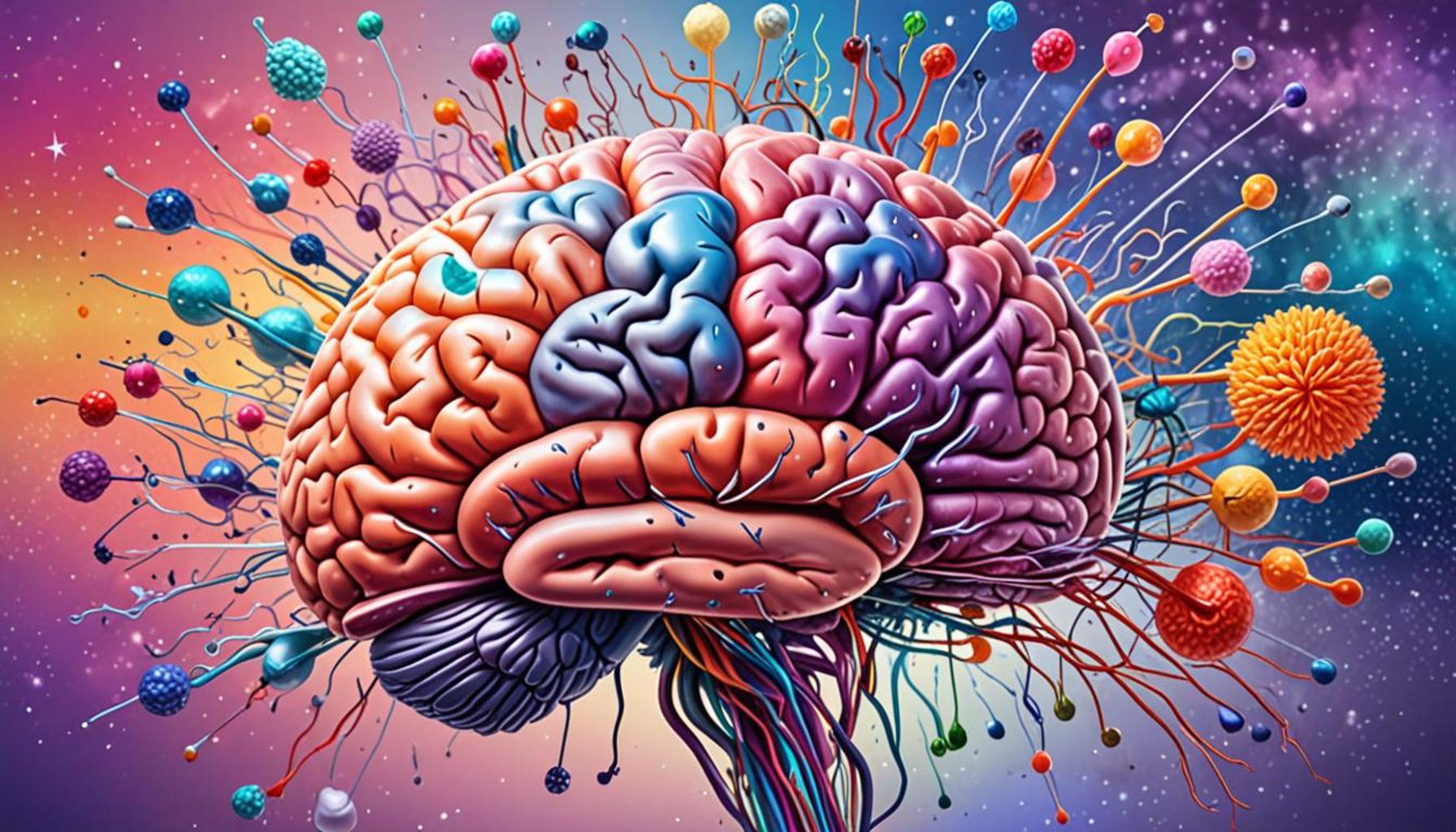
Imagine a world where your thoughts shape your reality. At the core of this transformative idea are affirmations—positive statements designed to challenge and overcome self-sabotaging beliefs. Over the years, an impressive body of research in neuroscience has illuminated how these affirmations can profoundly reprogram our brains, leading to enhanced emotional health and well-being.
The Brain’s Adaptability
The human brain is remarkably adaptable, capable of change throughout one’s life—a phenomenon known as neuroplasticity. This characteristic allows the brain to reorganize itself by forming new neural connections in response to learning and experience. Affirmations tap into this incredible ability by:
- Reducing Stress: Studies show that implementing positive affirmations can lower levels of stress hormones, such as cortisol. For example, individuals who practice affirmations often report feeling less overwhelmed, even in the face of challenging situations.
- Boosting Confidence: Regularly reciting affirmations cultivates a stronger sense of self-worth and self-efficacy. When people remind themselves of their strengths and capabilities consistently, they develop a more resilient self-image, which can dramatically improve performance in both personal and professional arenas.
- Promoting Resilience: Affirmations help build emotional resilience, allowing individuals to face life’s challenges with a fortified mindset. This resilience can be especially beneficial during tough times, such as job loss or illness, helping people to bounce back more quickly and effectively.
Scientific Insights
Extensive studies indicate that daily affirmation practices activate brain regions associated with self-related processing and motivation. For instance, advanced brain imaging techniques, such as functional magnetic resonance imaging (fMRI), show increased activity in the ventromedial prefrontal cortex, an area critical for self-relevance and decision-making. This activation suggests that affirmations can effectively reinforce a positive self-image and counteract detrimental negative thought patterns.
Furthermore, a study published in the journal *Psychological Science* found that participants who engaged in self-affirmation exercises displayed significantly improved problem-solving skills and creative thinking abilities. This demonstrates not only the emotional benefits of affirmations but also their cognitive impact. Thus, affirmations serve as catalysts for both emotional and intellectual growth.
As we delve deeper into this intriguing intersection of psychology and neuroscience, we will explore how affirmations work, their impact on emotional health, and practical techniques for integrating them into daily life. The simplicity of using a positive statement may seem trivial, but the effects can ripple through your personal and professional experiences. Join us in uncovering how a simple shift in thought can lead to profound changes in your life and empower you to shape your own reality.

EXPLORE MORE: Click here for powerful affirmations
The Mechanisms Behind Affirmations
The power of affirmations lies not only in their words but also in the way they engage our brain’s intricate networks. To truly understand how affirmations can promote emotional health, we must explore the underlying neuroscience that facilitates change. It is essential to recognize that the brain is not an immutable organ but rather a dynamic system capable of modifying its structure and function based on experience. This adaptability is particularly evident in the context of affirmations.
How Affirmations Function
At the heart of affirmations is the concept of self-affirmation theory. This psychological framework posits that individuals possess a fundamental drive to maintain their self-integrity. Affirmations serve as a bridge to enhance self-acceptance and challenge negative beliefs. Here’s how they contribute to emotional health:
- Encouraging Self-Reflection: By regularly reciting affirmations, individuals are prompted to reflect on their values and strengths. This act of self-reflection aids in aligning one’s actions and beliefs, fostering a cohesive self-concept.
- Combating Negative Self-Talk: Negative self-talk can be insidious, often leading to a cycle of self-doubt and anxiety. Affirmations counteract these detrimental thought patterns by instilling positive alternatives, thereby transforming how one perceives and responds to challenges.
- Enhancing Emotional Regulation: Engaging with affirmations strengthens emotional regulation abilities. Individuals who practice affirmations tend to experience fewer emotional fluctuations and are better equipped to handle stressors, contributing to overall emotional stability.
Neuroscientific Evidence
Neuroscientific research sheds light on how affirmations impact brain function and structure. Research indicates that positive self-statements can lead to the release of neurotransmitters associated with joy and well-being, such as dopamine and serotonin. These chemicals play crucial roles in mood regulation and motivation, suggesting that affirmations not only serve as psychological tools but also catalyze physiological responses in the brain.
Moreover, longitudinal studies have demonstrated that individuals who engage in regular affirmation practices report enhanced >psychological resilience over time. The ability to bounce back from setbacks and foster a growth mindset is directly linked to the rewiring of neural pathways, reinforcing the idea that affirmations are more than mere words; they are a pathway to mental fortitude.
As we continue to delve into the intricate relationship between affirmations and brain science, we will uncover effective methods to incorporate these powerful tools into daily life. With a deeper understanding of how affirmations work on a neurological level, readers will be empowered to harness their potential, crafting a narrative that fosters both emotional and mental well-being.
As we delve deeper into the fascinating world of affirmations, it becomes essential to understand their scientific underpinnings and how they interact with our brain’s neuroplasticity. Neuroplasticity is the brain’s remarkable ability to reorganize itself by forming new neural connections throughout life. This quality allows us to challenge negative thought patterns actively and create a more resilient, positive outlook on life.
The process begins when affirmations are practiced regularly, serving as a form of mental conditioning. By consciously repeating positive statements, individuals can effectively rewire their internal dialogue. For instance, affirmations such as, “I am capable and strong” or “I deserve happiness” can gradually replace self-doubt and criticism.
Research indicates that consistent use of affirmations can stimulate the brain regions associated with self-referential processing and reward. Engaging these areas may increase motivation and the likelihood of engaging in positive behaviors that support emotional well-being. Moreover, the act of vocalizing these affirmations has been shown to enhance their impact, creating a strong emotional resonance that facilitates change.
Additionally, when affirmations are backed by visual imagery or emotional resonance, their effectiveness can skyrocket. By envisioning oneself living the truths expressed in their affirmations, individuals can further activate the brain’s pathways linked to emotional responses, making these affirmations more than mere words but a source of genuine transformation.
Ultimately, the journey of reprogramming the brain through affirmations is not merely surface-level speak; it’s about forging profound changes at a cognitive and emotional level, paving the way to a healthier, more balanced life.
| Advantages | Key Features |
|---|---|
| Improved Self-Esteem | Affirmations help cultivate a stronger sense of self-worth and confidence. |
| Emotional Resilience | Regular practice can enhance coping mechanisms against stress and adversity. |
As we continue to explore the neuroscience behind these powerful tools, understanding their role in emotional health becomes critical for anyone looking to foster the transformative effects of positive thinking.
DIVE DEEPER: Click here to discover more
Integrating Affirmations into Daily Life
Employing affirmations effectively requires a thoughtful approach that resonates with an individual’s personal experience and emotional landscape. Understanding how to integrate these affirmations into everyday routines can optimize their impact on both mental and emotional health. To maximize the benefits of affirmations, consider the following strategies:
Crafting Personalized Affirmations
One of the most powerful aspects of affirmations is their ability to be tailored to individual needs and aspirations. A study in positive psychology emphasized that personalized affirmations yield better results than generic statements. For instance, instead of proclaiming “I am confident,” an individual might say, “I have unique talents and strengths that contribute to my success.” This shift towards specificity enhances emotional resonance and encourages deeper engagement.
Establishing a Consistent Practice
Consistency plays a crucial role in reprogramming the brain through affirmations. To facilitate this habit, creating a dedicated time each day for affirmation practice can be beneficial. For example, many individuals find success by reciting their affirmations in the morning as part of their daily routine, harnessing the fresh perspective that follows a good night’s sleep. Others may find it helpful to do this in the evening to reflect on the day’s achievements and set a positive mindset for the following day. Whichever method is chosen, the key is making affirmations a daily ritual that establishes a routine for neural reinforcement.
Utilizing Visualization Techniques
Combining affirmations with visualization can amplify their effectiveness. According to neuroscience research, engaging multiple senses enhances neural connections and helps cement new beliefs within the brain. For instance, when practicing affirmations, individuals can close their eyes and vividly visualize what they wish to manifest in their lives. Imagine not only reciting “I am capable” but also picturing scenarios where this capability is realized, such as succeeding in a job interview or giving a compelling presentation. This dual approach stimulates brain regions related to perception and positive emotions.
Tracking Progress and Reflecting
Documenting progress can provide tangible evidence of emotional growth over time. Maintaining a journal specifically dedicated to affirmations allows individuals to reflect on their feelings and experiences, fostering a deeper understanding of their emotional journey. This practice can also be linked to increased self-awareness, which aligns with findings from studies exploring the relationship between self-reflection and emotional wellbeing. By reviewing past entries, individuals can recognize patterns, celebrate successes, and adjust their affirmations as needed to ensure they remain relevant.
Seek Support and Community
Engaging with a supportive community can amplify the effects of affirmation practices. Sharing affirmations within groups, whether in a personal setting or an online forum, fosters a sense of belonging and encourages accountability. Social support has been shown to bolster emotional resilience, and discussing affirmations can provide fresh perspectives and additional insights. Moreover, exposure to others’ positive affirmations can serve as inspiration, leading individuals to broaden their own affirmation repertoire.
Incorporating affirmations into everyday life is a journey, one that involves experimentation and patience. As scientific research continues to unveil the neurological benefits of affirmations, embracing these practices can pave the way toward enhanced emotional health and resilience. The brain’s plasticity opens a realm of possibilities; by adopting these techniques, individuals can craft richer, more fulfilling narratives that reflect their true potential.
DISCOVER MORE: Click here to learn about the power of daily affirmations
Conclusion
In summary, exploring the neuroscience of affirmations reveals profound insights into how these simple yet powerful statements can effectively reprogram the brain to foster emotional health. By utilizing personalized affirmations, establishing consistent practices, incorporating visualization, tracking progress, and seeking community support, individuals can stimulate neuroplasticity—the brain’s ability to reorganize itself. This means that through intentional affirmation practices, one can cultivate a more positive self-image and enhance overall wellbeing.
Research underscores that the benefits of affirmations extend beyond mere motivation; they engage critical areas of the brain associated with feelings of self-worth and resilience. Such practices are not solely rooted in psychology but also in the scientific understanding of how our brain constructs beliefs and emotions. Therefore, as individuals navigate their unique emotional landscapes, the deliberate use of affirmations serves as a valuable tool for personal development.
As we continue to delve into the complex interplay between language, thought, and brain function, the potential of affirmations in promoting emotional health becomes ever clearer. It invites each of us to consider not only what we say to ourselves but also how these narratives shape our lives. Engage with affirmations, experiment with their integration into your daily routine, and witness how small shifts in self-talk can lead to significant transformations. Ultimately, by embracing this practice, individuals can carve pathways toward a more resilient and richly fulfilling existence.