Efficient Space for Families: Balancing Minimalism with Practicality
Creating a Harmonious Living Space
In today’s fast-paced world, families face the challenge of maximizing their living space while also embracing the concept of minimalism. The idea of a clutter-free home is appealing, but how can one balance minimalism with the practical needs of daily family life?
As families navigate tight schedules, the call for efficient space management becomes increasingly relevant. Research indicates that a well-organized environment can significantly boost mental clarity and emotional well-being, contributing to happier family dynamics. To achieve this equilibrium, consider the following principles:
- Functional Furniture: Opting for furniture that serves dual purposes can be a game changer. For instance, choose ottomans that feature hidden storage compartments, or invest in foldable tables that can easily transform from a dining area to a game table. Many manufacturers now offer sleek designs that blend functionality with aesthetics, making them an ideal choice for modern families.
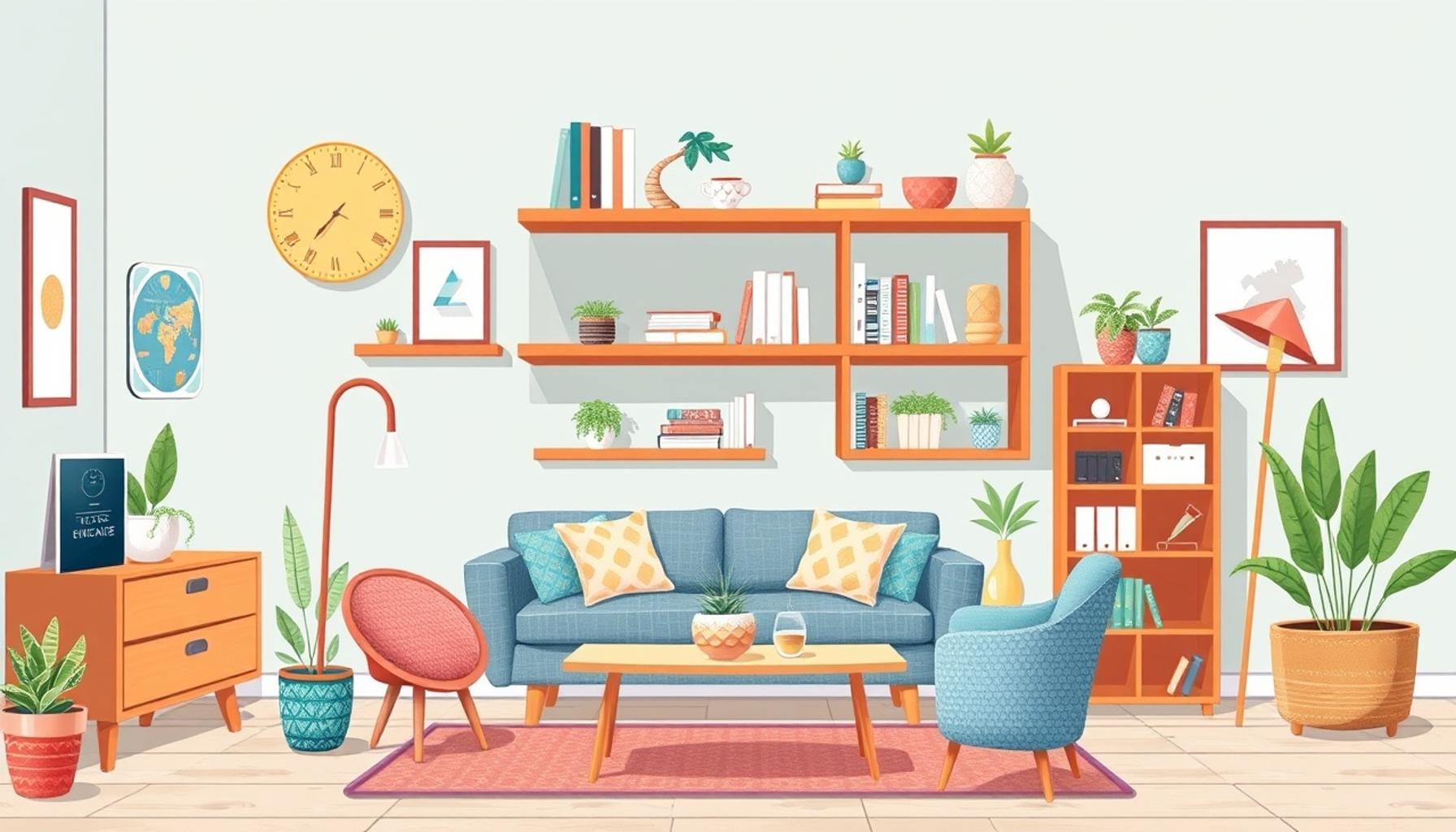
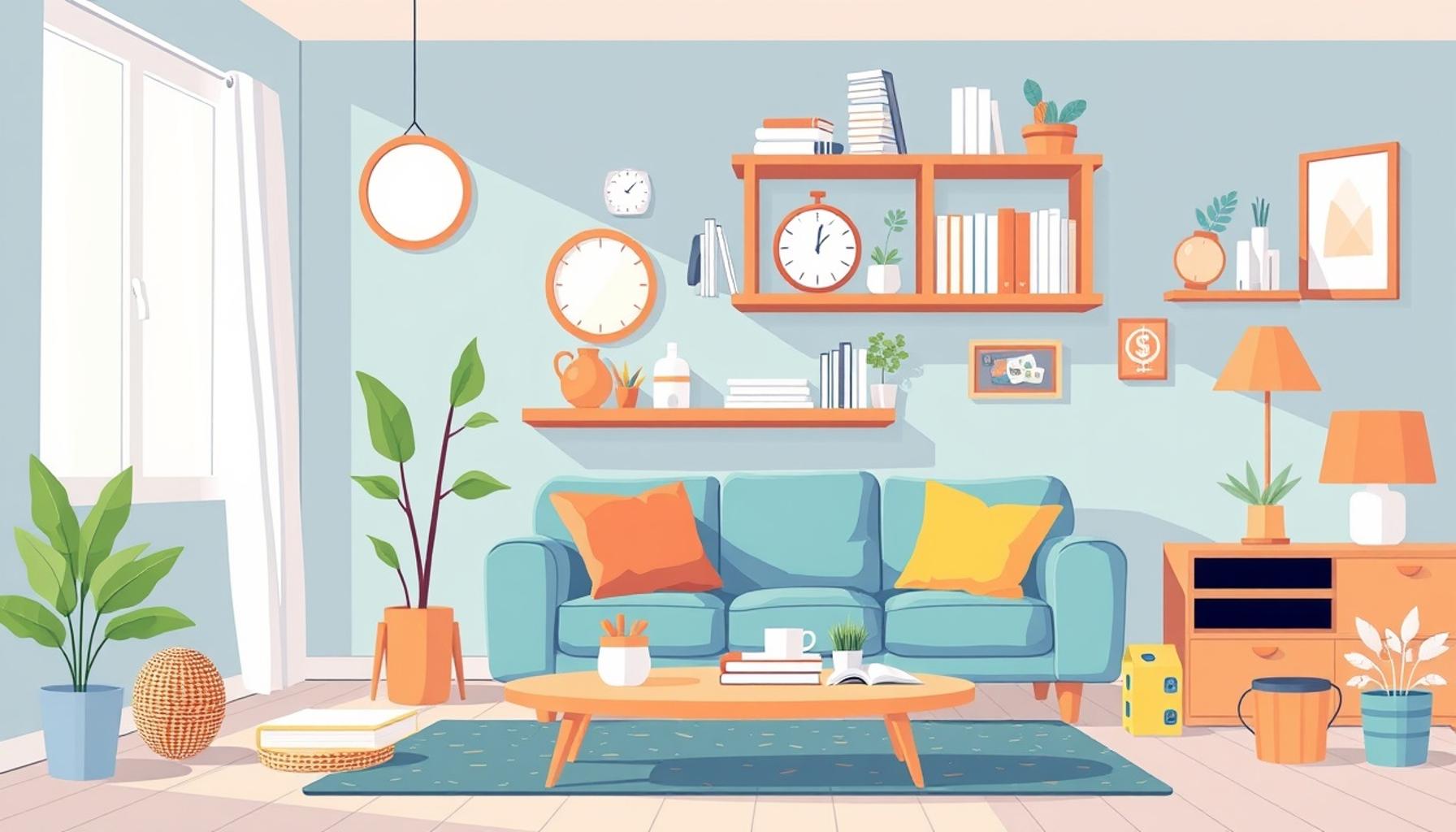
- Organizational Systems: Employing creative storage solutions is vital for keeping clutter at bay. Wall shelves not only utilize vertical space efficiently, but they can also showcase family photos or prized collectibles. Under-bed storage boxes provide an excellent way to store seasonal clothing or extra linens while remaining out of sight. Additionally, utilizing clear bins can help in quickly identifying what is stored where, preventing the need to rummage through boxes.
- Intentional Decor: To cultivate a harmonious space, it’s essential to choose decor that genuinely resonates with your family’s identity. Limit decorative items to those that hold sentimental value or are linked to family milestones. For example, a gallery wall featuring photographs from significant family events or travels can instill a sense of belonging and history within the home, ensuring that every piece contributes meaningfully to the overall environment.
By redefining what home means, families can cultivate an environment that is both practical and visually appealing. Every family’s particular needs will vary, prompting a customized approach to how space is utilized and organized. It can be beneficial to involve each family member in the process, allowing for more personalized adjustments that cater to everyone’s preferences.
Exploring innovative strategies in home design can enable families to unify the principles of minimalism and practicality, ultimately creating a sanctuary that fosters connections and growth. This journey towards an efficient living space is not merely about reducing clutter; it’s about enhancing the quality of life for everyone in the home. When families embrace these methods, they often find that their living spaces become not only more functional but also a reflection of their values, priorities, and love for each other.
Embracing Multi-Functionality
In the quest to create efficient space for families, one of the most effective strategies is embracing multi-functionality in furniture and design. Gone are the days when families needed to sacrifice style for practicality. Today’s designs allow ample creativity while serving multiple purposes. For example, a sleek sofa bed can seamlessly transition from a comfortable living space during the day to a cozy guest bed by night, making it an ideal solution for smaller homes.
Moreover, modular furniture has gained popularity as it can be easily reconfigured to meet the evolving needs of a family. Modular sofas, for instance, can be arranged into various shapes, accommodating everything from family movie nights to larger gatherings. This flexibility not only maximizes space utilization but also invites an interactive approach to home life, where families can continuously adapt their environment without significant investment.
Innovative Storage Solutions
Storage is the cornerstone of balancing minimalism with practicality, especially for families who often face an overflow of toys, books, and miscellaneous items. The key is to adopt innovative storage solutions that help keep the home organized without compromising on aesthetics. Here are some suggestions to consider:
- Built-In Shelving: Creating built-in shelves can transform otherwise wasted space into a functional area. Custom designs can fit around door frames or awkward corners, allowing families to maximize every inch of their home.
- Furniture with Built-In Storage: Investing in beds with drawers or coffee tables that open up for storage is an excellent way to keep items out of sight. This clever design not only provides additional storage but also maintains a visually appealing environment.
- Vertical Organization: Vertical storage solutions are invaluable in compact living situations. Wall-mounted hooks, pegboards, and hanging organizers can provide easy access for items like backpacks, jackets, and sports gear, while also showcasing a bit of personal flair in each space.
Striking a balance between minimalism and functionality means rethinking how each family member interacts with their environment. Instead of large, bulky furniture, consider lightweight pieces that can move around, making it easier to reinvent spaces as needed. This adaptability is crucial as families grow and change, requiring a constant reevaluation of their living space needs.
By integrating these practical yet minimalist approaches, families can create a cohesive environment that doesn’t feel cramped or chaotic. The psychological impact of a well-organized and aesthetically pleasing space can lead to reduced stress levels, allowing family members to focus on what truly matters — quality time together. With the right strategies in place, every family can find their unique balance of minimalism and practicality, ensuring their home is a nurturing sanctuary filled with warmth and love.
| Advantage | Description |
|---|---|
| Maximized Storage Solutions | Innovative furniture designs that incorporate hidden compartments and multi-use spaces. |
| Simplified Living Environment | Reduction of clutter promotes mental clarity and prioritizes essential family activities. |
Creating an efficient space for families involves striking a balance between minimalism and practicality. One of the significant advantages is the adoption of maximized storage solutions. These include innovative furniture designs that incorporate hidden compartments and multi-functional areas, which not only save space but also help to maintain a tidy environment. Emphasizing practical features allows families to enjoy every inch of their home efficiently.Moreover, a simplified living environment plays a crucial role in improving quality of life. By reducing clutter, families can foster a more tranquil atmosphere that prioritizes mental clarity and essential activities together. This approach encourages parents and children alike to embrace quality time, free from distractions. Families are increasingly finding joy and comfort in spaces that invite togetherness while promoting organization. As you explore more about these techniques, you can discover how balancing minimalism with practicality can transform your family’s living experience for the better.
Creating Zoning Within the Home
Another powerful approach to achieving an efficient space for families is the concept of zoning or designated areas within the home. By creating specific zones for different activities, families can tailor their environments to suit both individual and collective needs. This strategy works particularly well in open-plan spaces, where defining areas can help maintain functionality without overwhelming aesthetics.
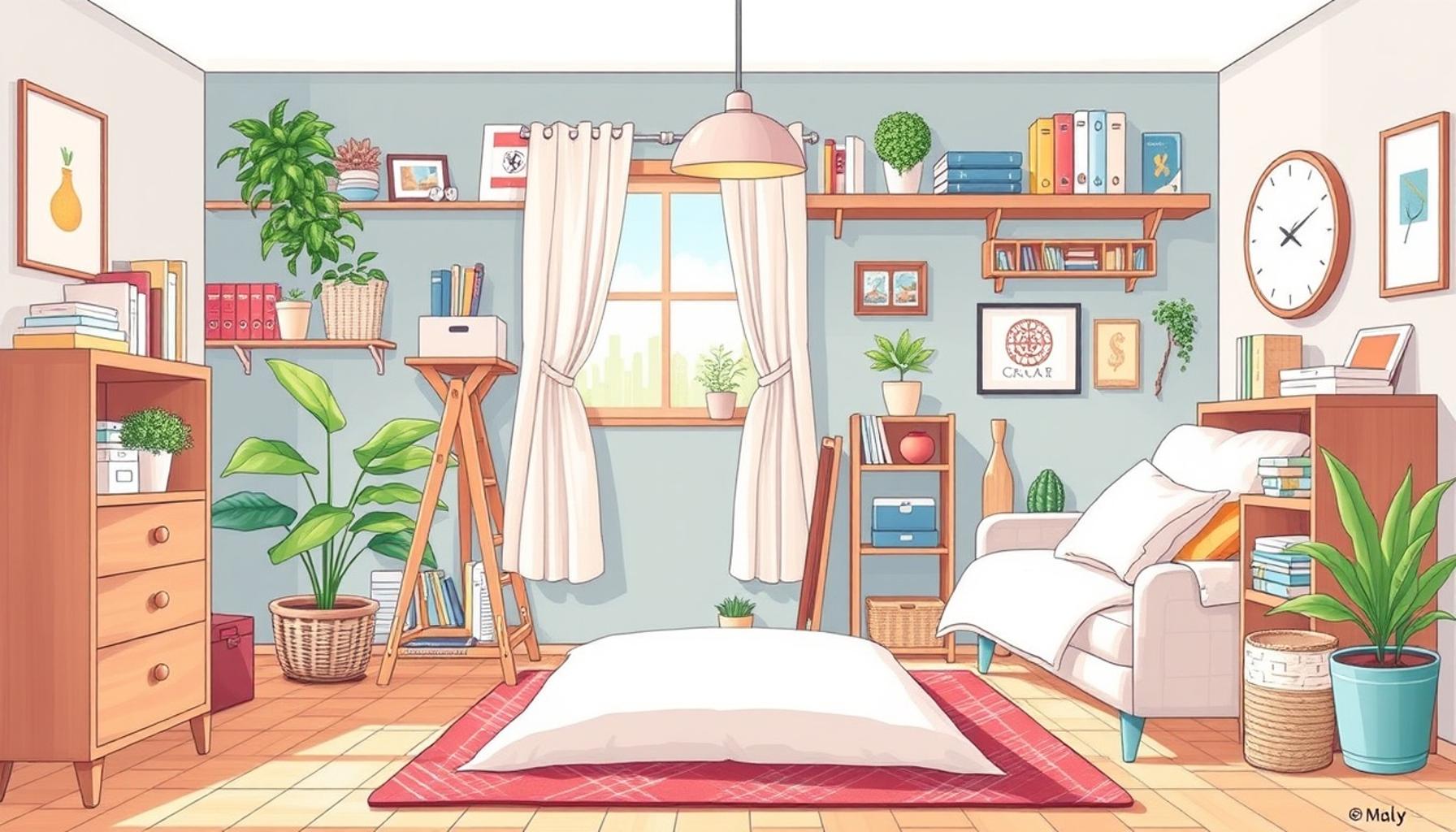
For instance, a small section of the living room can be transformed into a study nook with the addition of a compact desk and thoughtful lighting. This member-specific zone enables children to focus on homework, while parents can keep an eye on them nearby. A simple room divider, such as a stylish bookshelf or a curtain, can delineate these spaces without obstructing the flow of natural light. Utilizing decorative screens can also serve a dual purpose by adding artistic elements to the home while providing visual barriers for different areas.
Flexible and Adaptive Designs
Flexibility in design is another essential principle for families navigating minimalism and practicality. Today’s home designs are more adaptable than ever, responding to the dynamic needs of family life. One popular solution is the use of sliding walls or movable furniture that can adjust according to the time of day or family activities.
- Sliding Doors: By incorporating sliding doors, homeowners can easily create privacy when needed. Imagine a serene space that can be closed off for movie nights or hobbies, and effortlessly opened up during family gatherings to foster a social atmosphere.
- Expandable Dining Tables: An expandable dining table is perfect for accommodating family game nights or hosting friends. With the simple insertion of leaves, these tables can go from intimate family dinners to larger gatherings with ease, making the most of available space.
- Foldable Furniture: For those limited on square footage, foldable furniture can be an absolute game changer. Tables and chairs that can be stored away when not in use help maintain an open, airy feel, preventing clutter from taking root.
Additionally, the choice of colors and materials can significantly influence the perception of space within a home. Lighter color palettes can make rooms feel larger and more open, while selecting materials with a natural light-reflecting finish such as glass or polished wood enhances ambiance. Furthermore, the strategic use of mirrors can create an illusion of depth, tricking the eye into perceiving a more expansive space.
As families seek efficient living without the confines of clutter, zoning and flexible designs empower them to create homes that feel spacious yet intimate, showcasing their unique lifestyles. Fostering a functional environment curated with intention not only promotes an organized space but also enhances family well-being — a crucial factor in today’s fast-paced world. Such conscious choices reflect a broader understanding of how thoughtful design can transform the mundane into something beautifully practical.
Conclusion
In the quest for an efficient space that caters to family dynamics, the harmonious blend of minimalism and practicality emerges as a thoughtful solution. By embracing zones tailored to individual activities, families can promote both focus and togetherness within the same continuous environment. This intentional approach prevents chaos while maximizing functionality, enabling a streamlined living experience. As families adapt to modern life, the demand for versatile spaces has grown significantly, pushing the boundaries of traditional design.
Incorporating flexible and adaptive designs like sliding doors, expandable tables, and foldable furniture opens up opportunities that make homes more inviting and usable. These innovations not only enhance the overall aesthetic of the living area but also adapt to the changing needs of family life, allowing for a fluid transition between private and communal spaces. The use of lighter color palettes and reflective materials further amplifies the illusion of spaciousness, transforming compact homes into inviting havens.
Ultimately, as families navigate the challenges of modern living, cultivating an organized home is not just about reducing clutter but creating a sanctuary that nurtures well-being. By making conscious design choices, families can discover a newfound appreciation for their surroundings, showcasing the powerful benefits of a well-structured living space. This ongoing journey towards balancing minimalism with practicality paves the way for homes filled with warmth, connection, and purpose, encouraging families to thrive in their efficient environments.
Related posts:
Creating Multi-Functional Spaces: The Art of Minimalist Design
Innovative Storage Solutions for a Minimalist Home: Strategies for Efficient Space
The Art of Decluttering: Creating Efficient Spaces in Your Home
Integrating Nature into Efficient Space Design: Biophilic Minimalism
The Impact of Efficient Space on Productivity in Home Offices: A Minimalist Perspective
Maximizing Small Living Spaces: Tips for Minimalist Organization

Linda Carter is a writer and organization expert specializing in minimalism and personal organization. With extensive experience helping individuals create clutter-free, functional spaces and adopt mindful habits, Linda shares her knowledge on our platform. Her goal is to empower readers with practical advice and strategies to simplify their lives, stay organized, and achieve a sense of calm and balance in their daily routines.