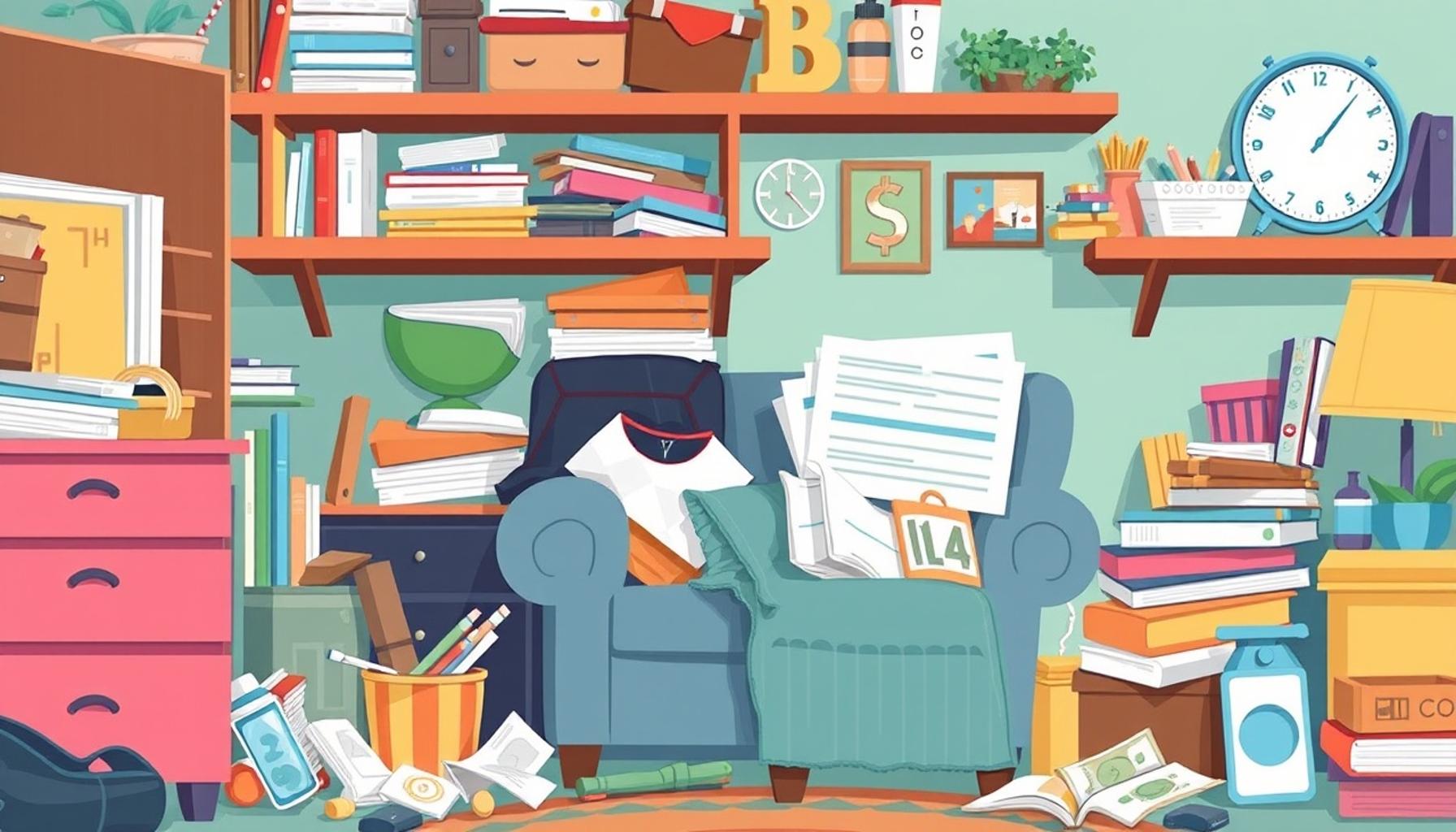
How to Create an Efficient Organization System for Small Spaces

Transform Your Small Space with Effective Organization
Living in a small space can often feel stifling, but an efficient organization system can turn that feeling into one of empowerment. A thoughtfully organized environment not only maximizes the available space but also enhances your overall well-being, fostering a sense of calm and productivity. Small spaces, when approached with creativity and strategic planning, can become a personal retreat that exudes comfort and functionality.
When thinking about how to transform your space, consider implementing these essential strategies:
- Prioritize Multi-Functional Furniture: One of the best investments for small spaces is multi-functional furniture. Pieces such as a storage ottoman can offer both seating and hidden compartments for blankets or games. Similarly, a convertible sofa, which can transform into a bed, not only serves as seating but also accommodates overnight guests without the need for a separate guest room.
- Utilize Vertical Space: Many people overlook the potential of vertical space in small rooms. Installing shelves not only provides additional storage but can also serve as decorative display space for books, plants, or collectibles. Wall-mounted hooks can organize coats and bags in entryways, while pegboards can turn a mundane wall into a functional kitchen organizer with pots, pans, and utensils hanging at your fingertips.
- Implement a De-cluttering Routine: Regularly assessing your belongings is vital to maintaining an organized space. Determine what you truly need by applying the “one in, one out” rule: for every new item that comes into your home, an old one should leave. This practice not only helps manage the volume of possessions but also encourages mindful purchasing, which is particularly crucial in limited areas.
Creating an efficient organization system is not merely about aesthetics; it is a pathway to greater productivity and peace of mind. By establishing designated areas for everything in your home, you significantly reduce stress and save valuable time that would otherwise be spent searching for misplaced items. This structured approach leads to an environment where you can thrive, focusing more on what matters to you rather than being distracted by clutter.
As you discover various organization methods, remember that small changes can yield significant results. For instance, adopting drawer organizers or utilizing under-bed storage can reveal new possibilities within your existing layout. Explore innovative hacks, such as using tension rods to create extra space for kitchen supplies or dividing closet areas with hanging organizers, to unlock your space’s full potential.
Embrace the challenge of small living and watch as your environment transforms into an organized oasis that enhances not just the space, but your entire lifestyle.
Smart Strategies for Organizing Small Spaces
When it comes to transforming your small space into an efficient haven, understanding the principles of organization is crucial. Each inch counts, and making the most of your environment requires a blend of creativity and strategy. To kickstart your journey towards a perfectly organized small area, consider the following robust strategies aimed at maximizing space and utility:
- Embrace the Art of Zoning: One of the key elements in efficient organization is establishing zones tailored for specific activities. For instance, if you have a studio apartment, create a designated sleeping area, a work nook, and a living space. Use rugs or furniture placement to visually separate these areas without the need for physical barriers. This tactic not only enhances functionality but also provides structure, making the space feel larger and more organized.
- Opt for Clear Storage Solutions: Clutter often arises from a lack of visible organization. Implementing clear storage containers for items such as pantry goods or office supplies not only allows you to see what you have at a glance but also encourages you to keep those items in their designated spots. Transparent bins and jars can transform a chaotic shelf into a display of order and accessibility.
- Think Outside the Box with Creative Storage: Innovative storage solutions can drastically change how you utilize your small space. Underneath stairs is often a forgotten area; consider installing floating shelves or drawers in that unused real estate. In the kitchen, magnetic strips can hold spice jars or knives, saving drawer space while keeping essential items within easy reach. Similarly, baskets or decorative bins can neatly store miscellaneous items, adding to both the decor and functionality of a room.
Understanding how to organize effectively in small spaces entails more than just utilizing available square footage; it requires a shift in mindset. It’s not only about fitting everything into your space but also about creating a flow that feels natural and manageable. The goal should be to establish a home where everything has a specific place and is easily accessible while promoting a peaceful atmosphere.
Furthermore, staying organized in a small area has a profound impact on your daily life. The stress of searching for misplaced items or dealing with clutter can significantly diminish your quality of life. By integrating organization systems like drawer dividers for your kitchen utensils or using vertical dividers in your closet for shoes, you reclaim time you previously lost to chaos.
A well-organized small space nurtures creativity, productivity, and relaxation. It is also imperative to keep in mind that efficiency is an ongoing process. As your needs and habits evolve, so should your organization strategies. It’s about discovering what works for you and making adjustments along the way. Every small change you make can lead to a bigger transformation in your living space.
| Advantage | Key Benefits |
|---|---|
| Maximized Space Utilization | Efficient organization systems enhance the use of vertical space through shelving and hangers, allowing you to create more functional areas without expanding your footprint. |
| Improved Task Efficiency | Organized systems reduce time spent searching for items, enabling smoother workflows and greater productivity in daily tasks. |
When creating an efficient organization system for small spaces, prioritizing the utilization of vertical space is paramount. Floating shelves or wall-mounted organizers can transform unused walls into practical storage areas. This strategy not only complements your decor but also maximizes every inch of your living area.Furthermore, incorporating multi-functional furniture like ottomans with storage, foldable tables, or beds with drawers provides additional utility, catering to both aesthetics and function. By keeping your spaces organized this way, you foster an environment conducive to creativity and focus, making it easier to engage in various activities without feeling overwhelmed by clutter.Emphasizing visible storage for everyday items, such as clear bins or stylish baskets, can result in a neat appearance while ensuring ease of access. Visual clarity is crucial; when everything has its place, you can quickly ascertain when supplies are running low or when it’s time for a declutter. Properly categorizing and labeling items further minimizes confusion, encouraging a habit of returning items to their designated spots—a critical component of maintaining order in a small space. These strategies not only streamline your daily routine but also contribute significantly to a pleasant living environment, freeing up mental space to focus on what truly matters.
Maximizing Functionality Through Innovation
In small spaces, every decision counts, and evaluating your storage options is crucial for maximizing functionality. While the strategies mentioned previously lay the groundwork for an efficient organization system, delving deeper into innovative techniques can open up a world of possibilities for your space.
- Make Use of Vertical Space: Small spaces often necessitate the upward use of wall space. Hanging shelves, pegboards, or wall-mounted racks can turn blank walls into functional areas for storage and display. Install shelving units above countertops or desks to store items without sacrificing floor space. Additionally, consider using wall hooks for tools, bags, or jackets—these help maintain a clutter-free environment while still being within arm’s reach.
- Incorporate Multi-Functional Furniture: The right furniture can be a game-changer in small spaces. Look for pieces that serve dual purposes, such as storage ottomans, convertible sofa beds, or coffee tables with drawers. These smartly designed items can maintain a sleek look while providing critical functionality. Furthermore, foldable furniture, like drop-leaf tables or collapsible chairs, can be stored away when not in use, freeing up space for movement and other activities.
- Implement a Seasonal Switch-Out: To keep clutter at bay, engage in a seasonal switch-out routine for underused items. Evaluate your belongings periodically, and determine which items are essential and which are redundant. For seasonal items like winter clothes or holiday decorations, create a designated storage area, such as under the bed or in cabinets. This method allows for a flexible organization system that can adapt to your current needs while maintaining an orderly environment.
Technology can also play a pivotal role in creating an efficient organization system for small spaces. Smart home devices, like digital assistants, can help you manage tasks and reminders or even connect with smart storage solutions. For instance, voice-controlled lighting can eliminate cumbersome floor lamps, creating a more spacious feel without sacrificing brightness.
Moreover, consider the use of digital organization tools to streamline your time and space. Applications for budgeting, inventory management, or to-do lists can help you remain organized without physically accumulating paperwork or clutter. By evaluating your belongings digitally, you can save valuable physical space while keeping your life well-ordered.
Another area that warrants attention is the hidden potential of everyday items. For example, repurpose an unused ladder as a bookshelf or coat rack—it can add character while providing storage. Old jars and containers can become stylish organizers for small items like craft supplies or office materials. The concept of upcycling can integrate personal style into your organization system while elevating your space in a practical manner.
Lastly, understanding the psychological impact of a well-organized environment can inspire you to maintain your efforts. Spaces that inspire tranquility and focus are notable for enhancing mood and productivity. The visual cleanliness of an organized space can alleviate stress, allowing you to enjoy and utilize your environment fully. Committing to these innovative solutions not only elevates your space but also empowers you to embrace a lifestyle of efficiency and clarity.
Conclusion: Embracing Efficiency in Small Spaces
Creating an efficient organization system for small spaces is not merely about fitting items into a limited area; it’s about transforming your environment into a sanctuary of functionality and calm. With every inch of space at a premium, innovative strategies such as maximizing vertical dimensions, incorporating multi-functional furniture, and implementing seasonal switch-outs provide invaluable solutions for maintaining order.
Furthermore, the integration of technology—from smart home assistants to digital organization tools—offers a modern layer of convenience that can streamline daily tasks. This careful curation of your belongings, alongside creative repurposing of everyday items, not only enhances aesthetics but also reflects personal style while effectively managing limitations.
Ultimately, the psychological benefits of an organized space extend far beyond mere visual appeal. An orderly environment promotes a sense of tranquility and efficiency that can enhance your productivity and emotional well-being. As you explore and implement these strategies, you empower yourself to cultivate a lifestyle marked by clarity and efficiency.
As you embark on this journey of organization, remember that flexibility and adaptability are key. Your small space should evolve to suit your changing needs, ensuring that it remains a functional and inviting area. With a commitment to thoughtful design and innovation, your small space can transcend its limitations, making room for inspiration and creativity.
Related posts:
How Clutter-Free Living Enhances Your Relationships and Social Interactions
The Relationship between Clutter-Free Living and Mental Health
The Psychological Benefits of Clutter-Free Living
How Clutter-Free Living Can Increase Your Daily Productivity
Practical Strategies to Create a Clutter-Free Space at Home
How Technology Can Help Maintain a Clutter-Free Lifestyle

Linda Carter is a writer and organization expert specializing in minimalism and personal organization. With extensive experience helping individuals create clutter-free, functional spaces and adopt mindful habits, Linda shares her knowledge on our platform. Her goal is to empower readers with practical advice and strategies to simplify their lives, stay organized, and achieve a sense of calm and balance in their daily routines.