
Practical Strategies to Create a Clutter-Free Space at Home
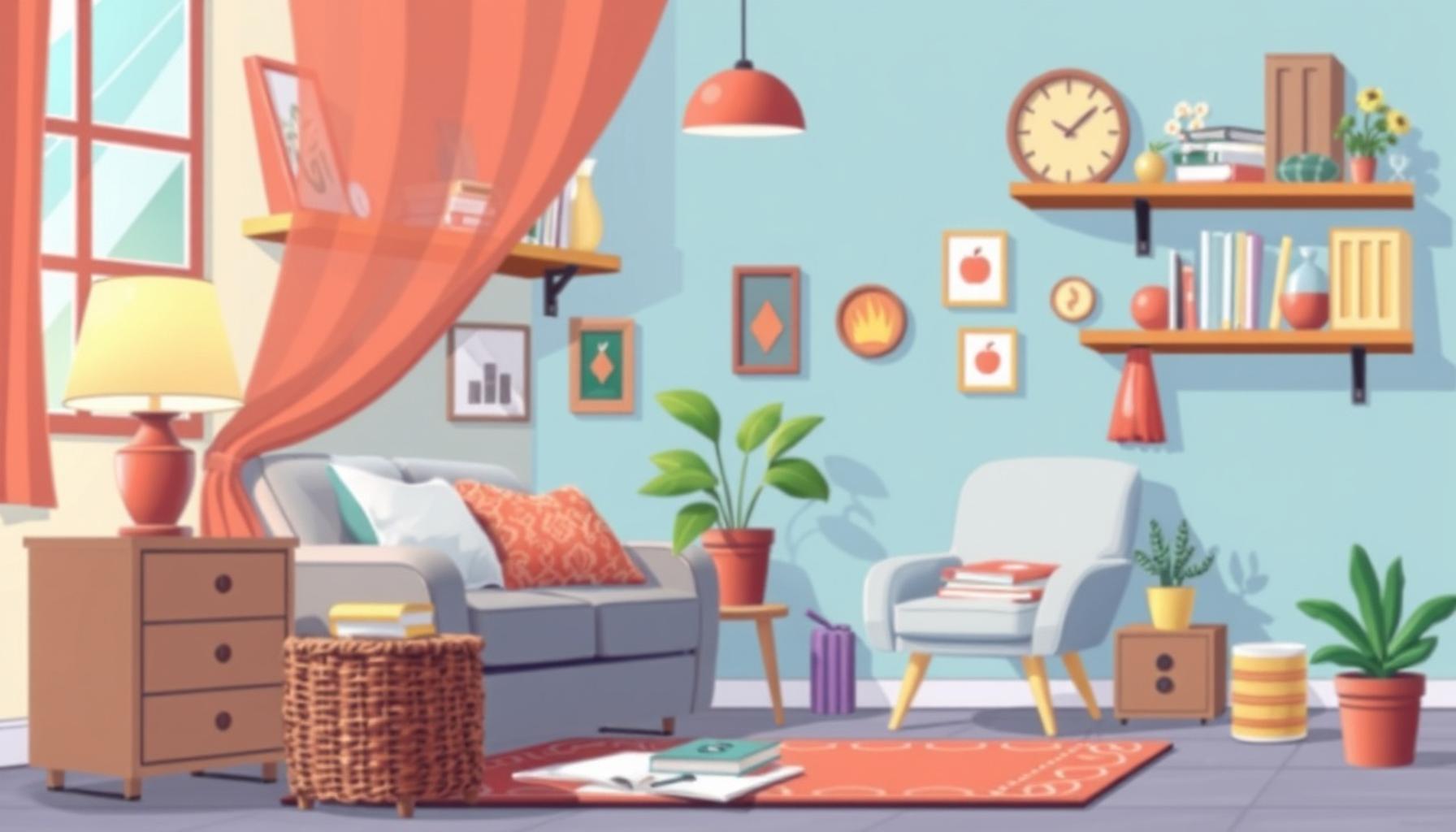
The Importance of a Clutter-Free Living Space
In today’s fast-paced world, keeping a clutter-free space at home is not just beneficial but essential for mental well-being. A tidy environment promotes productivity, reduces stress, and enhances overall quality of life. This is especially important as many people are learning to adapt to remote work and spend more time at home than ever before. A clean, organized space can significantly impact how effectively you work and relax in your own home.
Yet, many people find themselves overwhelmed by the accumulation of belongings, resulting in spaces that feel chaotic rather than comforting. Items often collect not just from daily life but also from special occasions like birthdays and holidays, where gifts can add to the clutter. To tackle this challenge effectively, consider implementing strategic tips that foster a more organized lifestyle:
- Declutter Regularly: Schedule weekly or monthly sessions to sort through your belongings. Consider following a routine: for instance, dedicate the first Saturday of each month to declutter your home. During these sessions, focus on a specific area, such as closets or drawers, and remove items you no longer use or need. You may also want to utilize the “one in, one out” rule, where you commit to getting rid of something whenever you bring something new into your home.
- Set Limits on New Items: Before making a purchase, ask yourself if it truly adds value to your life. This concept can be particularly beneficial when considering trends such as minimalism, where the emphasis lies on quality over quantity. Reflecting on whether a new item aligns with your lifestyle or whether it might soon become one more object vying for space can help curb unnecessary buying.
- Organize with Purpose: Create designated spaces for everything; this makes it easier to maintain order. Using clear storage bins can help you visibly categorize items, making it easy to locate them when needed. Invest in multi-functional furniture like ottomans with hidden storage or shelves that double as room dividers, especially in smaller living areas.
By adopting a systematic approach, you can create a serene environment that feels spacious and inviting. Understanding the psychology behind clutter can also be incredibly enlightening, revealing how your surroundings influence your thoughts and behaviors. Research indicates that clutter can result in higher levels of anxiety and stress, leading to difficulties in focusing and making decisions. Transforming your space can thus enhance not only the aesthetics of your home but your mental clarity as well.
As you explore these practical strategies to create a clutter-free space at home, you’ll discover that each small change can lead to remarkable transformations in how you experience your living space. Investing the time to declutter and maintain organization not only creates a peaceful haven but also encourages a more intentional lifestyle, helping you focus on what truly matters.
Implementing Effective Decluttering Techniques
To successfully cultivate a clutter-free space at home, it is crucial to employ effective decluttering techniques that resonate with your personal lifestyle. While the prospect of organizing an entire home may seem daunting, breaking the process down into manageable steps can make it more approachable. Here are some insightful strategies to consider as you embark on your journey toward a more serene and organized living environment:
- Use the Four-Box Method: This technique involves designating four boxes marked ‘Keep,’ ‘Donate,’ ‘Trash,’ and ‘Relocate.’ As you sift through your belongings, categorize each item into one of these boxes. This method not only simplifies decision-making but also helps visualize what needs to go, encouraging a more efficient decluttering process.
- Adopt a Time Limit: Decluttering can feel overwhelming if you don’t manage your time effectively. Set a timer for 15-30 minutes and focus solely on one area. This focused effort can yield significant results without the feel of endless labor. As you build momentum, consider extending your time in future sessions.
- Focus on Sentimental Items: Often, we struggle with keeping items that hold sentimental value. A helpful strategy is to take a digital photo of the item and then let it go. This way, you can retain the memory while freeing up physical space. Alternatively, consider creating a curated display of meaningful items instead of trying to keep every piece.
- Incorporate the ‘Habitual Declutter’: Make decluttering a part of your daily routine. Spend a few minutes each day tidying up a specific area, such as a countertop, or your desk. Establishing this routine will create an ongoing cycle of organization, preventing clutter from re-accumulating.
- Keep a Clutter Journal: Tracking your decluttering progress can enhance your commitment. Document what you remove from your home and how it feels to let go of those items. This can also serve as a motivator to continue decluttering, granting you insights into your emotional connection with tangible items.
Adopting these practical decluttering techniques ensures that not only will you clear space in your environment, but you will also cultivate a mindset geared towards simplicity and intention. Moreover, each strategy emphasizes the importance of being mindful about what you bring into your home and how to make space for the things that truly matter.
Furthermore, once you establish a decluttering routine, it’s crucial to create a long-term maintenance plan. Setting specific guidelines for incoming items will help prevent clutter from creeping back in. For example, you might decide to implement a ’30-day rule’ where you evaluate new purchases before allowing them into your home. This approach fosters a conscious lifestyle, giving you a renewed sense of control and clarity within your living space.
Practical Strategies to Create a Clutter-Free Space at Home
In the quest for a clutter-free home, implementing effective strategies can catalyze a transformative experience. Here, we delve into practical methods that promise to restore tranquility and functionality to your living environment.
| Category | Details |
|---|---|
| Decluttering Techniques | Utilize methods like the Marie Kondo method or the Four-Box method to systematically assess your belongings. |
| Organizational Tools | Implement storage solutions such as bins, baskets, and shelves to efficiently use space while keeping items accessible. |
| Mindful Consumption | Adopt a one-in-one-out policy when acquiring new items to maintain balance in your space. |
| Regular Maintenance | Establish a routine to regularly declutter, ensuring spaces remain organized and stress-free. |
By focusing on these strategies, you can significantly improve not just the appearance of your home, but also contribute to your mental well-being. A clutter-free space fosters productivity and creativity, turning your home into a sanctuary rather than a storage unit. Continue exploring these techniques and discover how small changes can yield big results in your living space.
Establishing Smart Storage Solutions
Once you have successfully decluttered your space, the next step involves establishing smart storage solutions that not only maximize available space but also maintain the order you’ve created. Efficient storage helps to organize your belongings and keeps everything easily accessible, enhancing your living experience. Here are some innovative strategies for optimizing storage in your home:
- Utilize Vertical Space: Walls often remain underutilized in many homes. Consider installing shelves or cabinets that reach up to the ceiling to take advantage of this vertical space. This technique is especially beneficial in smaller areas, as it draws the eye upwards and creates the illusion of a larger space. Items like books, decorative boxes, or even plants can be stored on high shelves, contributing to both organization and aesthetic appeal.
- Embrace Multi-Functional Furniture: Invest in furniture pieces that pull double duty. For instance, a coffee table that opens to reveal hidden storage, or an ottoman that can house blankets or toys, saves space while adding functionality. Not only do these pieces reduce clutter, but they also enhance the versatility of each room.
- Implement Clear Storage Solutions: Transparency is key when it comes to maintaining an organized space. Using clear bins allows you to quickly identify the contents and encourages you to put things back in their proper places. Labeling these containers can further streamline your organization efforts, ensuring that everyone in your household knows where to locate and store items.
- Optimize Closet Space: Closets can easily become chaotic if not structured properly. Consider using tiered hangers for clothing, adding hooks for accessories, or investing in slim-line hangers to create more space. Additionally, you can store off-season clothes in vacuum-sealed bags or labeled bins, freeing up room for your everyday essentials.
- Designate ‘Drop Zones’: Establish specific areas in your home for items that are frequently used, such as keys, mail, or bags. These ‘drop zones’ help prevent clutter from spreading throughout your living space. For example, a decorative basket by the door can serve as a practical yet stylish catch-all that keeps important items organized and easily reachable.
Beyond creating an organized physical space, these storage strategies promote a healthier environment. A home that efficiently utilizes storage solutions can contribute to reduced stress levels and improved productivity. The ability to quickly find items reduces frustration and fosters a sense of calm.
As you continue to refine your living environment, it’s essential to regularly assess your organizational methods. Trends in home decor or lifestyle changes might necessitate a reassessment of your storage needs. Make a habit of reviewing your space every few months; this can involve discarding items that you no longer use or updating storage solutions to better fit your current lifestyle.
Incorporating these practical storage strategies will enhance your decluttering efforts and pave the way for a truly clutter-free space in your home, transforming not only your surroundings but also the way you interact with your living environment.
Conclusion
Creating a clutter-free space at home is not just about tidying up; it’s a lifestyle choice that can significantly enhance your quality of life. By employing practical strategies such as smart storage solutions, utilizing vertical space, and embracing multi-functional furniture, you can reclaim your environment and foster an atmosphere of tranquility and efficiency. Regularly assessing your space and finding innovative ways to organize ensures that your home remains a sanctuary rather than a source of stress.
Moreover, these strategies encourage a mindset that values simplicity and mindfulness, enabling you to appreciate your belongings and avoid unnecessary accumulation. As you establish dedicated ‘drop zones’ and optimize closet space, you create not only a more functional home but also one that reflects your personality and ideals. The journey towards a clutter-free lifestyle invites you to discover more about your habits and preferences, prompting a healthy relationship with your possessions.
In a world where consumerism can easily lead to chaos, fostering a clutter-free space becomes an empowering act of self-care. By committing to this transformation, you aren’t just making room in your home; you’re opening up your life to new possibilities, enhancing clarity, creativity, and peace of mind. Start today, and witness the profound impact a well-organized space can have on both your physical surroundings and your mental well-being.
Related posts:
Decluttering Strategies for Families: Maintaining Order in a Busy Home
The Impact of Clutter-Free Living on Productivity and Focus
The Psychological Benefits of a Clutter-Free Lifestyle
Demystifying Minimalism: What It Really Means to Live Without Clutter
How Technology Can Help Maintain a Clutter-Free Lifestyle
The Role of Mindfulness in Practicing a Clutter-Free Lifestyle

Linda Carter is a writer and organization expert specializing in minimalism and personal organization. With extensive experience helping individuals create clutter-free, functional spaces and adopt mindful habits, Linda shares her knowledge on our platform. Her goal is to empower readers with practical advice and strategies to simplify their lives, stay organized, and achieve a sense of calm and balance in their daily routines.