Decluttering Strategies for Families: Maintaining Order in a Busy Home
Reclaiming Your Home Through Decluttering
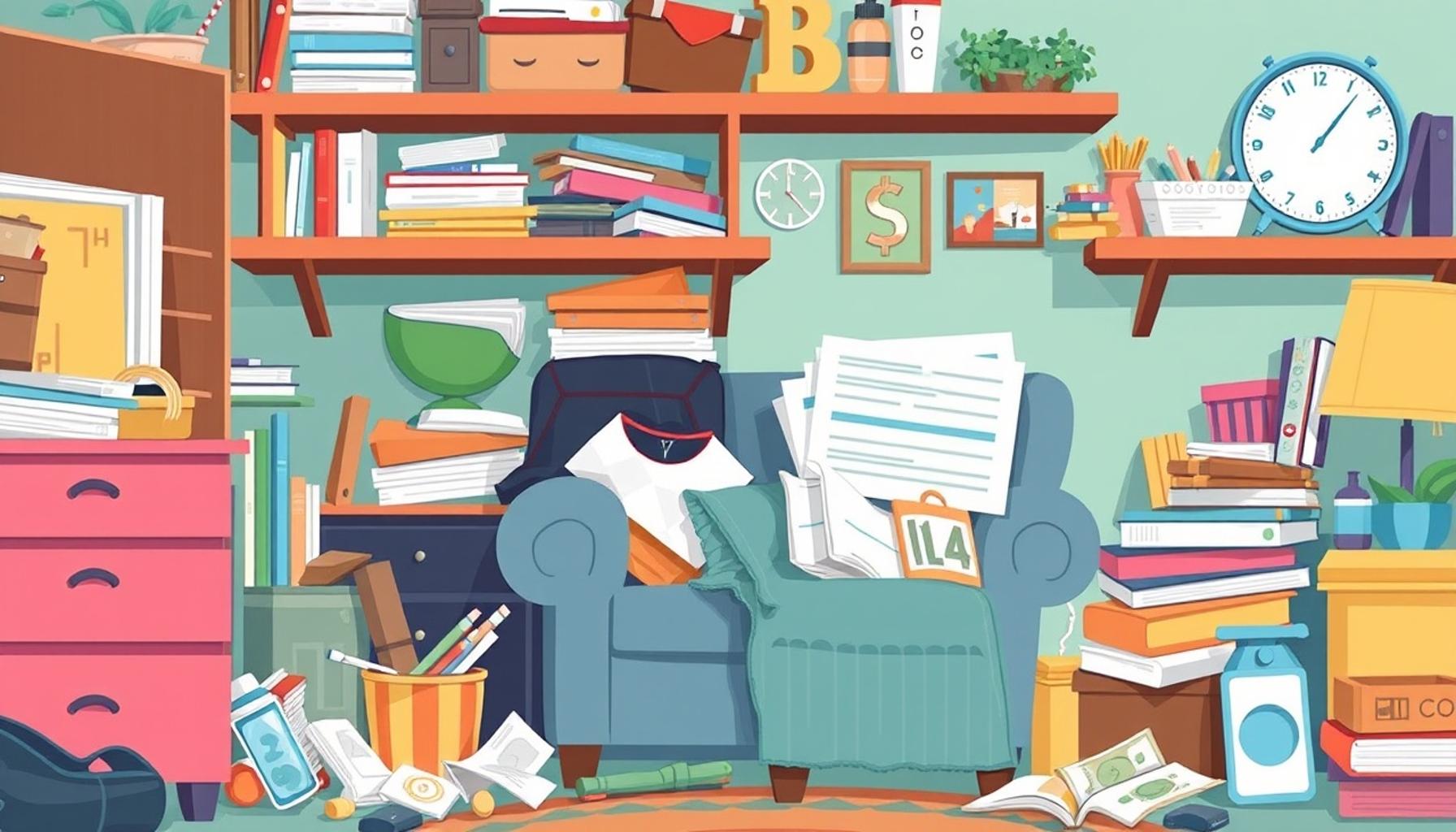
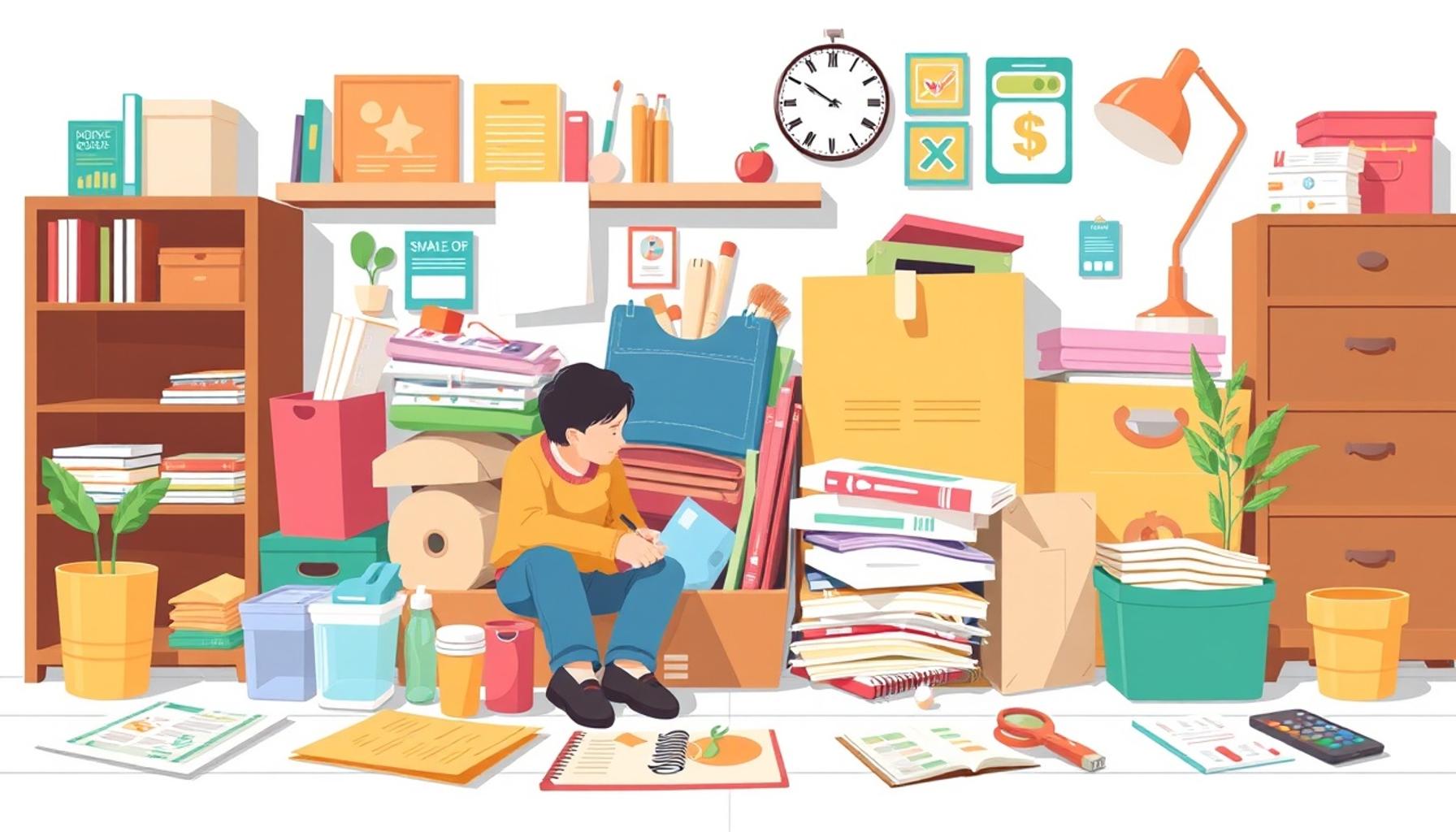
In today’s fast-paced world, families often struggle to keep their homes organized amidst the hustle and bustle of daily life. The chaotic shuffle of busy schedules, work commitments, and children’s activities can quickly lead to clutter. This buildup disrupts not only the physical space but also diminishes a sense of peace and well-being at home. Decluttering serves as an essential strategy for reclaiming control and finding sanity in this everyday mayhem.
To cultivate a serene home environment, effective decluttering strategies are crucial. Through practical methods, families can navigate their packed schedules while maintaining order and lightness. Here are some strategies to consider:
- Regular Decluttering Sessions: Make it a habit to schedule weekly sessions dedicated to decluttering spaces, be it the living room or storage areas. For example, setting aside 20 minutes every Sunday to sort through mail, toys, or closet items can lead to significant improvements over time.
- One In, One Out Rule: Adopt this rule by ensuring that for every new item brought into the home, an old item is removed. This method can be particularly effective during holidays or birthdays, where items tend to accumulate rapidly, helping to maintain a balance.
- Involve the Family: Turn decluttering into a fun family activity. Create a friendly competition to see who can declutter the most in a set time limit, or involve younger children by making it a game around their toys. Engaging everyone fosters teamwork and builds lasting routines.
- Create Storage Solutions: Invest in practical storage solutions like bins, baskets, and shelving units. For instance, using labeled bins for toys or seasonal clothing makes it easier for family members to understand where things belong, thus encouraging organized habits.
- Designate Drop Zones: Establish specific areas near entrance points for daily essentials such as shoes and bags. By designating these “drop zones,” you prevent daily clutter from spilling over into living spaces, making it clear where items should go when family members come home.
Implementing these strategies transforms living spaces and instills positive habits that reduce clutter over the long term. As families learn to streamline their possessions, they often discover newfound space, creativity, and mental clarity. A clutter-free environment promotes a healthier mindset and might even inspire families to pursue hobbies or activities that were previously sidelined due to a chaotic home.
In the following sections, we will dive deeper into a variety of decluttering strategies tailored specifically for families. Each method is designed to not only help maintain order but also enhance overall well-being in a busy home. Embrace these approaches and prepare to take the first steps towards a more organized, peaceful lifestyle!
Practical Tips for Decluttering Success
Creating a clutter-free environment is not just about removing physical items; it’s about establishing a mindset that supports ongoing organization and balance. Families can leverage various techniques to streamline their possessions and foster a harmonious living space. Incorporating these practical tips can help families maintain order amidst their busy lives.
Establish a Decluttering Routine
Consistency is key in any decluttering endeavor. By building a routine, families can transform decluttering from a burdensome task into a seamless part of their lifestyle. Here are a few ideas for establishing a routine:
- Daily 10-Minute Tidy: Set aside just ten minutes each day for quick organization sessions. This could involve putting things back in their proper places, sorting mail, or addressing small build-ups of toys or belongings left in common areas.
- Monthly Declutter Challenge: Set a specific focus for each month, such as kitchen gadgets, children’s clothing, or outgrown toys. This encourages intentional decluttering and ensures that no area is neglected.
- Seasonal Clean-Outs: Take advantage of seasonal changes to conduct a more thorough assessment of belongings. For example, as winter turns to spring, families can evaluate their winter gear and donate unused items.
Smart Sorting Strategies
Another critical component of effective decluttering is knowing how to sort belongings efficiently. Families can utilize the following sorting methods to make the process manageable:
- Four-Box Method: Label four boxes: Keep, Donate, Sell, and Trash. As items are evaluated, family members can quickly decide the fate of each object, leading to a more streamlined decluttering session.
- Room-by-Room Approach: Focus on one room at a time to prevent overwhelm. Start with the most used areas like the living room or kitchen, as these spaces impact daily life the most.
- Sentimental Assessment: When dealing with sentimental items, families can use a “memory box” approach. Limit the number of keepsakes and select only those that truly hold significant meaning, preventing emotional clutter.
Furthermore, involving family members in decluttering discussions ensures that everyone understands the importance of maintaining an organized home. Children can learn valuable lessons about ownership and responsibility, fostering a lasting connection to their living space.
Decluttering is an ongoing journey, not a one-time event. By implementing these strategies, families can work together to create a peaceful home that allows for relaxation and creativity, all while managing the realities of busy lives. The benefits of an organized living environment extend beyond aesthetics; they contribute significantly to mental health and family bonding, empowering households to flourish.
| Category | Key Features |
|---|---|
| Organizational Systems | Incorporates the use of labels, bins, and storage solutions tailored for family needs. |
| Time Management | Establishing routines that include daily decluttering sessions promoting efficiency. |
In the realm of decluttering strategies, having efficient *organizational systems* in place is essential. These systems not only help in storing items neatly but also make retrieval easy, fostering an environment of orderliness that every busy family aspires to maintain. Furthermore, implementing these systems can dramatically reduce the anxieties associated with disarray, proving invaluable for mental well-being.On the other hand, *time management* plays a pivotal role in sustaining a decluttered home. By scheduling daily or weekly sessions focused on decluttering, families can engage in minimal maintenance rather than letting messes accumulate. This proactive approach not only alleviates stress but also creates shared responsibilities among family members, allowing everyone to contribute and learn the importance of cleanliness.Utilizing decluttering techniques and smart organization aids families in maintaining a serene and stress-free environment, proving that order can indeed coexist with a busy lifestyle. These strategies serve as the cornerstone for fostering a harmonious home where every member feels at ease and respected.
Innovative Organizational Solutions
In addition to developing routines and sorting strategies, integrating innovative organizational solutions can significantly enhance a family’s ability to maintain a clutter-free living space. By employing versatile storage solutions and clever design ideas, families can maximize their organizational potential while accommodating their busy lifestyles.
Utilize Vertical Space
One of the most underutilized areas in a home is vertical space. Families can optimize this often-overlooked dimension with a few strategic adjustments:
- Wall-Mounted Shelves: Adding shelves above desks, doors, or in hallways not only serves as a decorative feature but also provides ample storage for books, toys, and other items, keeping them off surfaces.
- Over-the-Door Organizers: These are perfect for storing shoes, cleaning supplies, or craft materials. They help free up floor space and keep items easily accessible.
- Cupboard Risers: In kitchens and pantry areas, risers can maximize shelf space for canned goods or snacks, preventing clutter from accumulating on countertops.
Implement Multi-Functional Furniture
Families on the go can greatly benefit from multi-functional furniture that provides both utility and space-saving solutions. Here are some suggestions:
- Storage Ottomans: These serve as extra seating while discreetly hiding away toys, blankets, or books, making cleanup after playtime a breeze.
- Convertible Tables: A dining table that expands or a coffee table with hidden compartments can adapt to different needs while maintaining a tidy appearance.
- Beds with Drawers: Utilizing bed frames that incorporate sliding drawers can provide crucial storage for clothes or seasonal items, reducing the need for bulky dressers.
Incorporate the “One In, One Out” Rule
To prevent new clutter from accumulating, families can adopt a “one in, one out” policy. This concept encourages responsible consumption by requiring that every time a new item is brought into the home, an existing item must be removed. Here’s how to implement it:
- Direct Applicability: Discuss this rule as a family principle and make it a shared commitment to avoid excessive accumulation.
- Shopping Mindset: When shopping, keep the rule in mind to encourage thoughtful purchasing, ensuring the home remains clutter-free.
- Seasonal Adjustments: Regularly apply this principle during seasonal wardrobe changes, keeping only items that serve the family well.
Using practical strategies and creative organizational methods, families can cultivate an environment conducive to productivity, relaxation, and connection. The right tools and a mindful approach to belongings are crucial in establishing a lifestyle where order prevails amidst the chaos, making the home a sanctuary for all family members.
Moreover, the power of technology cannot be underestimated. Various apps assist with family organization, reminding members about decluttering tasks, tracking donations, or even scheduling time for organizing sessions. These tools can make a remarkable difference in maintaining a tidy home, transforming chaos into a manageable routine.
Conclusion
In conclusion, decluttering strategies for families are not just about clearing away physical possessions but also about creating a harmonious lifestyle that nurtures intentional living and fosters family connections. By embracing innovative storage solutions, maximizing vertical space, implementing multi-functional furniture, and adhering to the “one in, one out” principle, families can transform their homes into organized sanctuaries amidst the hustle and bustle of daily life.
Furthermore, involving every family member in the decluttering process promotes shared responsibility, ensuring that the principle of maintaining order becomes a family value rather than a chore. Regular discussions about belongings and mindful consumption can significantly reduce clutter before it accumulates. Additionally, leveraging technology through organizational apps can provide valuable reminders and tracking systems that keep families engaged and proactive in their decluttering efforts.
Ultimately, adopting practical decluttering techniques can lead to a more tranquil home environment, allowing families to flourish in their routines, enjoy moments together, and focus on what truly matters. With commitment and creativity, families can maintain order in their busy lives, turning their homes into places of creativity, relaxation, and connection. It is time to embark on this decluttering journey, making each family space a reflection of personal values and joyful living.
Related posts:
Practical Steps to Achieve a Clutter-Free Home
The Psychological Benefits of Clutter-Free Living
The Relationship between Clutter-Free Living and Mental Health
The Psychological Benefits of a Clutter-Free Lifestyle
The Role of Aesthetics in Creating Clutter-Free Environments
Tips for Maintaining a Regular and Sustainable Disposal Routine

Linda Carter is a writer and organization expert specializing in minimalism and personal organization. With extensive experience helping individuals create clutter-free, functional spaces and adopt mindful habits, Linda shares her knowledge on our platform. Her goal is to empower readers with practical advice and strategies to simplify their lives, stay organized, and achieve a sense of calm and balance in their daily routines.