Creating Multi-Functional Spaces: The Art of Minimalist Design
Embracing Multi-Functional Living
In today’s fast-paced world, the desire for harmony between work, leisure, and family life is paramount, especially in urban environments where space is at a premium. Creating multi-functional spaces is no longer just a trend but a necessity for maximizing utility in smaller living areas. The principles of minimalist design offer an effective way to achieve this balance by emphasizing simplicity, functionality, and a calming aesthetic that promotes well-being.
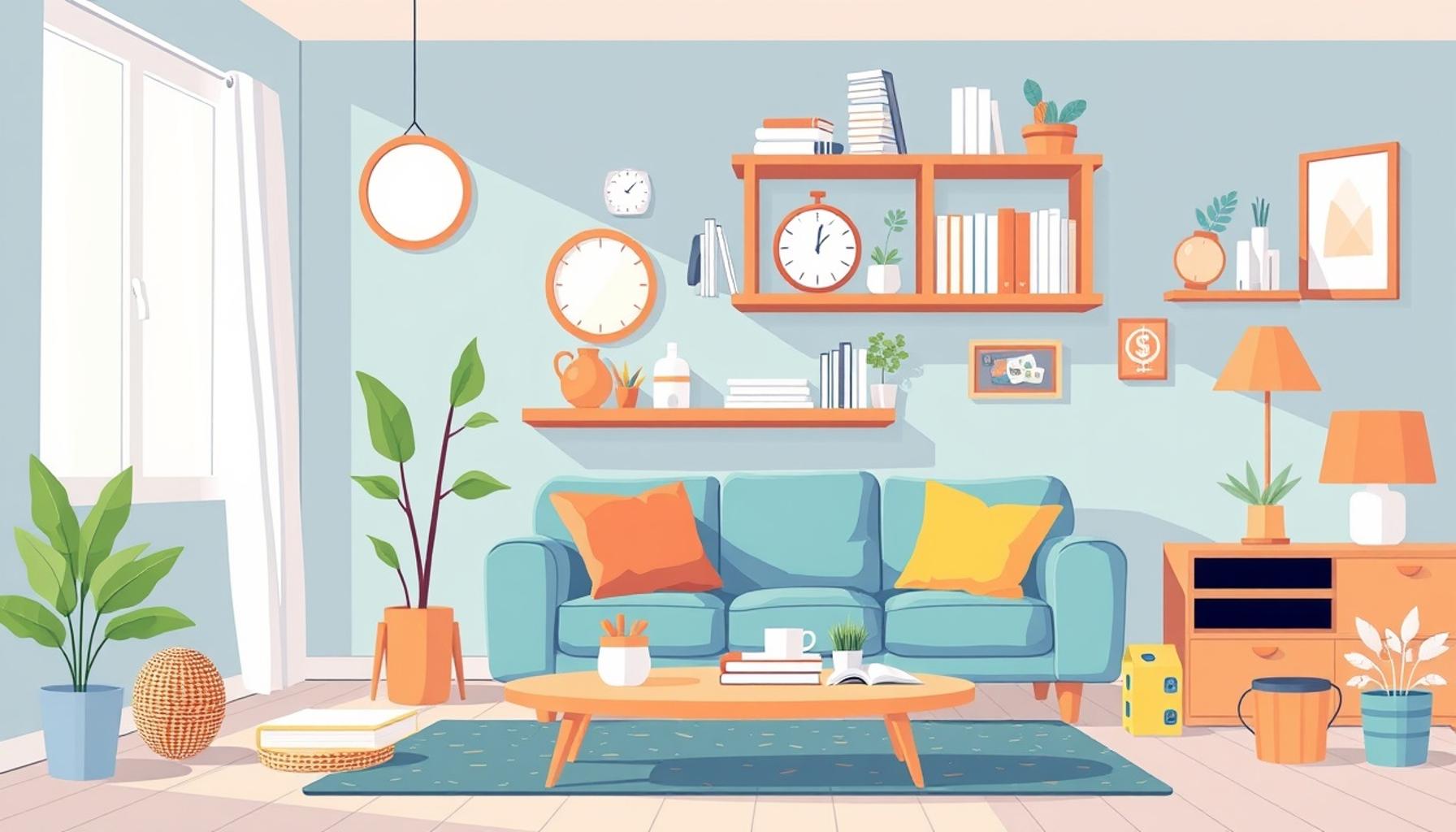
One of the most significant advantages of adopting a minimalist approach is enhanced functionality. By reconfiguring spaces so that they serve multiple purposes, homeowners can dramatically reduce clutter. For instance, a living room that features a wall-mounted table can transform from a cozy conversation nook into a workspace for remote workers in an instant. Similarly, a bedroom can utilize a murphy bed, allowing the room to double as a yoga area or a quiet study, thus maximizing the space’s potential without sacrificing comfort.
The concept of improved aesthetic is deeply rooted in minimalist design principles. Clean lines, a neutral color palette, and intentional decor foster a serene environment that not only looks appealing but also promotes mental clarity. Think of a home that incorporates soft grays and whites paired with natural elements like wood and plants. The result is a harmonious setting that encourages relaxation. Successful minimalist spaces often prioritize quality over quantity, showcasing fewer but more impactful decor items that can add personality without overwhelming the senses.
Another critical benefit is increased efficiency. A well-planned minimalist home simplifies daily tasks, with everything having its designated place. This organization not only saves time in locating items but also facilitates smoother daily routines. For example, an open-plan kitchen can be designed with mobile storage carts that can serve as both cooking prep areas and hidden storage, enabling easy access to utensils, spices, and appliances. Such setups optimize workflow, especially for culinary enthusiasts who appreciate the convenience of efficiency.
Furthermore, embracing the concept of multi-functional spaces aligns with a more sustainable lifestyle. With the emphasis on reducing excess items, individuals become more conscious of their consumption habits. Invest in dual-purpose furniture like a coffee table that can convert into a dining table or a sofa that transforms into a sleeper for guests. These choices not only contribute to a less cluttered home but also promote a culture of sustainability by reducing the demand for disposable, single-use items.
As homeowners in the United States explore these transformative ideas, the benefits of minimalist design continue to resonate. From smaller apartments in New York City to cozy homes in suburban areas, creating spaces that are not only beautiful but also functional is becoming increasingly important. Explore the world of multi-functional spaces and minimalist design to discover a path toward a fulfilling, efficient lifestyle, one thoughtfully designed room at a time.
The Essentials of Multi-Functional Spaces
To truly embrace the concept of multi-functional spaces, it is crucial to understand the fundamental elements that make a home adaptable and versatile. In an age where urban living often leads to smaller homes and apartments, maximizing each square foot is essential. Each area within a residence can be reimagined to serve various needs, enhancing comfort and efficiency. Here are some essential considerations for designing spaces that fulfill multiple roles:
- Purposeful Layout: Begin with a floor plan that maximizes natural light and airflow, essential for creating a warm and inviting atmosphere. Open-concept living areas encourage movement and interaction, allowing spaces to shift seamlessly from a social gathering zone to a functional workspace. For instance, an area that serves as a living room during the day can be transformed into a cozy movie-watching nook at night by strategically placing comfortable seating arrangements.
- Smart Furniture Choices: Invest in furniture that is both aesthetically pleasing and multifunctional. Pieces such as ottomans that double as storage, sofas with pull-out beds, or folding dining tables can effectively transform a room’s function while conserving physical space. Consider a Murphy bed in a studio apartment, which allows for a comfortable nighttime sleeping area that folds away during the day to create more living space.
- Defined Zones: Although the goal is to create open and versatile spaces, subtle separation can help define specific areas for different activities. Use rugs, lighting, or furniture arrangement to establish boundaries in shared spaces without obstructing flow. For example, placing a large area rug under a dining table can help distinguish the dining area from a nearby living space, effectively segmenting the room without the need for physical walls.
- Versatile Decor: Adopting a color palette that remains consistent throughout the home enhances uniformity and creates a sense of spaciousness. Consider incorporating decorative elements that can easily be switched out depending on the season or changing needs, such as artwork, cushions, or throw blankets. This approach allows for a refreshed look without the need for major renovations, bringing new energy to the space.
As you explore the notion of minimalist design, remember that less is often more. Minimalism encourages you to evaluate what items are truly necessary, allowing you to part ways with excess possessions. This practice not only declutters physical spaces but also clears mental space, ushering in an environment conducive to focus and creativity. For example, consider the popular “one in, one out” rule: each time you acquire something new, you must remove an item from your home, promoting intentionality in your possessions.
Another aspect of creating multi-functional spaces involves embracing flexibility. The ability to transform a room’s use adds immeasurable value, particularly in compact urban settings. For instance, a dining area can evolve into a home office by removing or adjusting the furniture layout, allowing a dining table to double as a workspace during the day. Such adaptive environments cater to the evolving lifestyle of homeowners, especially in light of the rise of remote work culture. Additionally, tools such as convertible desks or ergonomic chairs can facilitate longer work hours, making the transition seamless.
With the right design philosophy backing your efforts, the creation of multi-functional spaces can significantly enhance the way one lives. By combining various activities into harmonious environments, you can experience homes that not only serve you better but also reflect your personal style and values. Embrace the challenge of designing your space in a way that allows it to grow and adapt alongside you, ensuring it remains a cherished sanctuary for years to come.
Creating Multi-Functional Spaces: The Art of Minimalist Design
When it comes to creating multi-functional spaces, minimalist design principles stand out as a hallmark of efficiency and elegance. Minimalism isn’t just about simplicity, but rather the thoughtful arrangement of spaces to serve multiple purposes without feeling cluttered. This approach is crucial for modern living, where urban dwellers often face limited square footage. Combining aesthetics with functionality, minimalist design appeals to a wide audience seeking comfort and style.
One of the most significant advantages of adopting a minimalist approach is enhanced organization. By curating only essential items, individuals can create environments that are visually calm yet functional. This not only makes spaces look bigger but also facilitates easier navigation and promotes mental clarity. Additionally, intelligent furniture choices like convertible sofas or folding tables are integral to multi-functional spaces, offering flexibility that traditional furniture cannot provide.
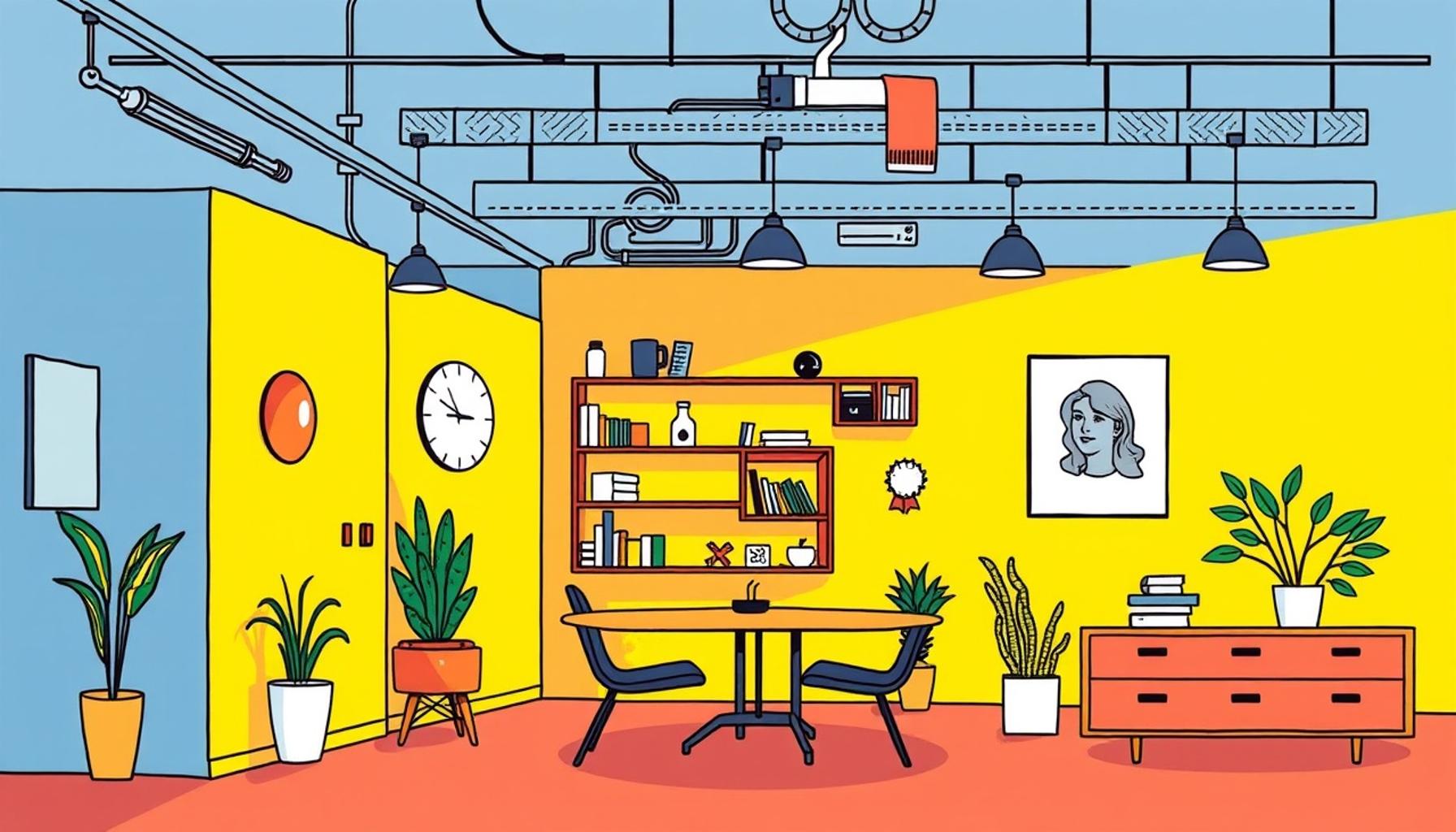
Moreover, minimalist spaces often emphasize natural light and open layouts, contributing to a sense of serenity and well-being. Large windows, light colors, and streamlined furniture create an inviting atmosphere that fosters relaxation and creativity. The integration of greenery through indoor plants adds life while maintaining an uncluttered look. This balance between form and function is at the heart of minimalist design, showcasing how less truly can be more.
| Category | Key Features |
|---|---|
| Space Efficiency | Utilizes space effectively by prioritizing essential elements. |
| Versatility | Furniture designed for multiple uses, enhancing usability. |
| Calm Atmosphere | Promotes relaxation and creativity through minimal distractions. |
The relationship between minimalist design and functionality not only transforms the physical space but significantly impacts daily life and well-being. In our quest for simplicity, we uncover an art form that is as much about emotional and psychological balance as it is about aesthetic appeal.
Embracing Technology in Minimalist Design
As technology continues to shape our lives, integrating smart innovations into multi-functional spaces has become increasingly important. Home automation systems and smart devices not only offer convenience but also enhance the versatility and functionality of a space. For example, smart home assistants can control lighting, temperature, and media, all from a single device, allowing spaces to adapt quickly to different activities. Imagine hosting a dinner party where, with the simple command of your voice, the lights dim, music plays softly, and the ambiance transforms into the perfect setting.
Moreover, consider investing in multifunctional technology. Compact projectors or retractable screens can turn a living room into a personal theater or a workspace into a presentation area with ease. Such investment in technology reflects a commitment to maintaining both aesthetics and practicality. The ability to seamlessly integrate your tech devices into your decor, such as wireless charging stations disguised as coffee tables or entertainment centers, keeps the room sleek and organized.
Thoughtful Storage Solutions
Effective storage is another cornerstone of multi-functional design, acting as the antidote to clutter and chaos. Minimalism requires a careful selection of storage solutions that work overtime without screaming for attention. Built-in cabinetry that fits neatly into wall spaces or under staircases maximizes utility while maintaining a clean aesthetic. Utilizing vertical space with floating shelves not only reduces footprint but also provides a platform for artistic displays and plants, ensuring the design is as functional as it is beautiful.
Additionally, consider furniture that offers unexpected storage options. Beds with built-in drawers, benches with lift tops, or coffee tables with hidden compartments transform ordinary items into clever solutions for managing personal belongings. According to a study by the American Home Furnishings Alliance, approximately 60% of consumers equate well-organized homes with reduced stress levels. Therefore, investing in items that are both stylish and serve a practical purpose is an important aspect of maintaining tranquility in a minimalist environment.
Biophilic Design and Its Role
Another emerging trend in multi-functional and minimalist spaces is the incorporation of biophilic design, which focuses on connecting indoor environments with nature. This design principle not only enhances the aesthetic appeal but also promotes emotional well-being. Strategically placing plants in shared spaces can help purify the air, boost mood, and create a refreshing atmosphere. Vertical gardens or herb walls can even serve dual purposes—offering both beauty and functionality by providing fresh ingredients for cooking.
Natural materials, such as wood, stone, and cotton, can be used interchangeably across various functions, unifying elements in a home while adhering to a clean and minimalist aesthetic. From using wooden shelving as both decor and storage to choosing cotton or linen for accents, incorporating natural textures fosters a sense of calm and connection to the outdoors. As a result, living spaces not only look more appealing but also function better by meeting diverse needs in harmony.
Ultimately, creating multi-functional spaces through minimalist design is an intricate dance of style, practicality, and emotional resonance. By incorporating technology, thoughtful storage solutions, and biophilic elements, homeowners can cultivate environments that are not only adaptive but also positively influence their day-to-day lives. The key lies in intentional choices, prioritizing necessity over excess, and embracing the idea that simplicity can lead to a richer and more fulfilling living experience.
Conclusion
In conclusion, creating multi-functional spaces using the principles of minimalist design is not merely a trend but a lifestyle choice that addresses modern living’s complexities. As we seek to optimize our homes for various activities—from work and entertainment to relaxation—this approach emphasizes the beauty of simplicity and function. By incorporating elements such as smart technology, efficient storage solutions, and biophilic design, we can transform our living environments into harmonious sanctuaries that cater to our diverse needs.
The versatility offered by minimalist design fosters spaces that not only reduce clutter but also enhance our quality of life. Research indicates that well-organized environments can lead to lower stress levels and greater satisfaction. As homeowners prioritize intentional functionality while embracing design aesthetics, the concept of minimalism becomes a powerful tool for clarity and peace in our lives.
Furthermore, the ongoing evolution in design trends suggests a growing interest in sustainability and efficient use of resources. By adopting natural materials and designs that echo the beauty of the outdoors, we can create spaces that are visually inspiring and environmentally friendly. This dual approach not only enriches our living conditions but also contributes positively to our well-being.
Ultimately, as we delve deeper into the art of minimalist design, we are reminded that the essence of a home lies in its ability to adapt and flourish. Exploring these thoughtful strategies not only enriches our spaces but also deepens our connection to the environments we inhabit. As you embark on your journey to create multi-functional spaces, remember that the synergy of style and practicality can lead to truly transformative living experiences.
Related posts:
Integrating Nature into Efficient Space Design: Biophilic Minimalism
The Psychology of Decluttering: How Efficient Space Enhances Mental Well-being
Maximizing Small Living Spaces: Tips for Minimalist Organization
Efficient Space for Families: Balancing Minimalism with Practicality
The Impact of Efficient Space on Productivity in Home Offices: A Minimalist Perspective
Transforming Cluttered Areas into Efficient Work Zones: A Minimalist Approach

Linda Carter is a writer and organization expert specializing in minimalism and personal organization. With extensive experience helping individuals create clutter-free, functional spaces and adopt mindful habits, Linda shares her knowledge on our platform. Her goal is to empower readers with practical advice and strategies to simplify their lives, stay organized, and achieve a sense of calm and balance in their daily routines.