Tiny House Living: Embracing Efficient Space through Minimalist Principles
The Rising Interest in Tiny House Living
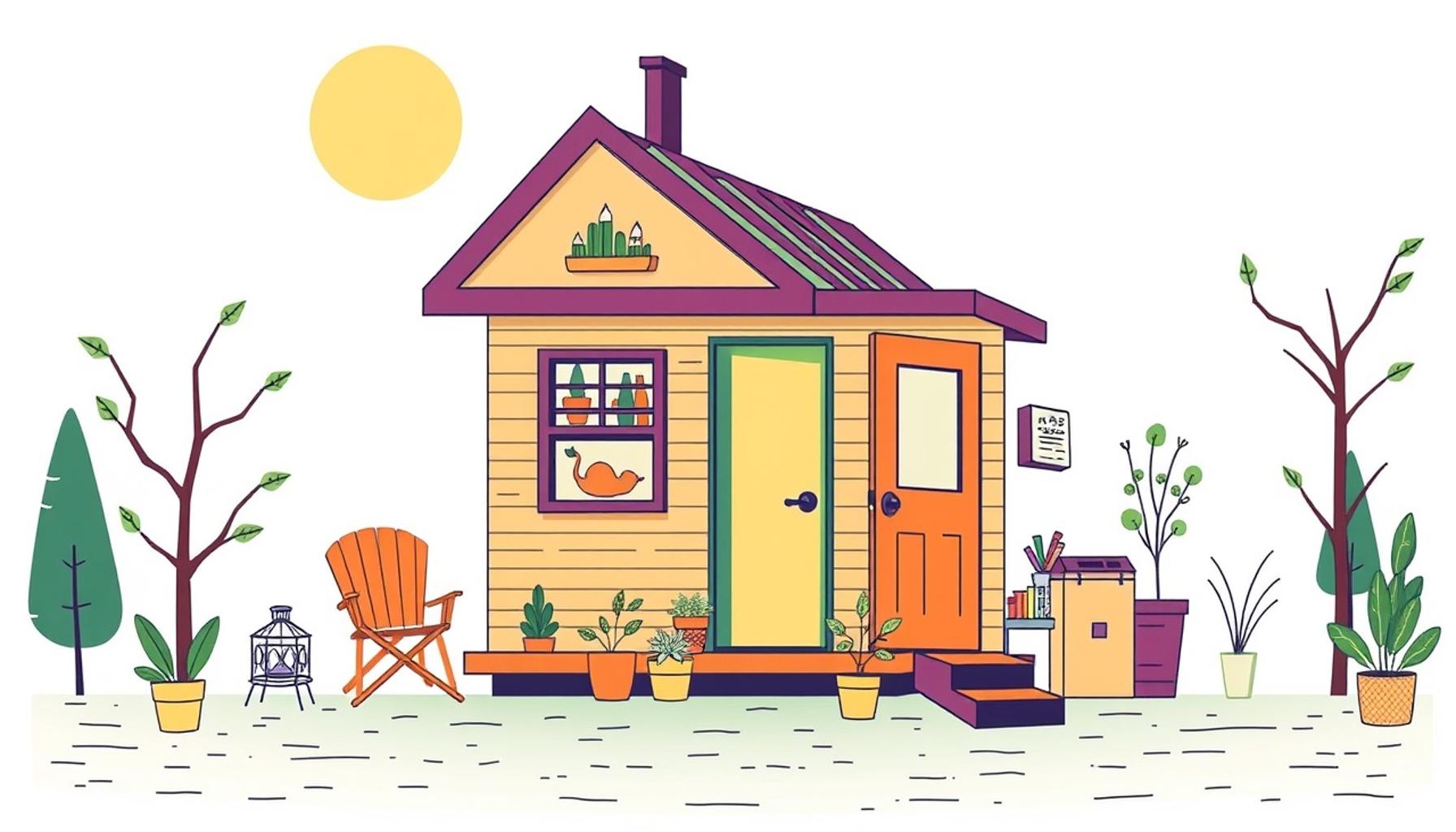
As housing prices continue to soar in the United States, more individuals and families are exploring tiny house living as a viable alternative. This movement emphasizes minimalist principles that promote simplicity and encourage an overall shift in lifestyle. With an increasing focus on maximizing functionality, tiny homes allow residents to enjoy a fulfilling lifestyle without the burden of excessive possessions. In cities like San Francisco or New York City, where real estate prices can be prohibitive, tiny homes provide an affordable solution that appeals to urban dwellers.
So, what exactly defines the tiny house movement? Here are some key features that set it apart:
- Square Footage: Tiny houses typically range from 100 to 400 square feet, making them compact and easy to manage.
- Mobility: Many tiny homes are built on wheels, allowing for mobility and flexibility. This enables residents to travel or relocate without having to search for new housing.
- Sustainability: Tiny living often includes eco-friendly practices, like utilizing solar energy, rainwater collection systems, and efficient waste disposal methods. These practices contribute to a reduced environmental impact.
This lifestyle not only reduces one’s carbon footprint but also fosters a deeper connection to the surrounding environment. Living in a smaller space encourages individuals to reflect on their needs versus wants, leading to more meaningful life choices. One notable example of this is the Tiny House Project in Portland, Oregon, where tiny homes are used to combat homelessness and provide affordable housing solutions, demonstrating their potential for positive social impact.
Moreover, the efficient use of space in tiny homes encourages residents to prioritize what truly matters in their lives. Multi-functional furniture, hidden storage areas, and creative layouts transform limited space into a cozy sanctuary. For instance, a common feature includes foldable tables and Murphy beds, which optimize the functionality of each square foot, allowing for versatile living experiences.
In this article, we will explore the principles of tiny house living, the benefits of minimalism, and how this trend is reshaping the way Americans approach housing and belongings. From the benefits of financial freedom to the joy of reduced clutter, tiny living offers opportunities previously unrecognized in traditional housing. Discover the hidden potential of embracing efficient space and the life-changing impact it could have on your personal journey. Whether you are considering a transition to tiny living or simply curious about the phenomenon, there is much to learn about this compelling lifestyle choice.
Defining Minimalism in Tiny House Living
The core philosophy behind tiny house living is steeped in minimalism, a lifestyle that encourages individuals to eliminate unnecessary possessions and focus on what truly matters. This approach to life promotes not just a physical decluttering but a mental shift towards valuing experiences over material items. In a society often driven by consumerism, embracing such principles can lead to profound changes in personal perspectives, priorities, and happiness.
But what does minimalism in the context of tiny living truly look like? Here are some defining aspects:
- Intentionality: Every item in a tiny house is purposefully chosen, emphasizing quality over quantity. This careful selection results in meaningful surroundings that reflect the occupant’s values and lifestyle.
- Functional Design: Tiny homes utilize thoughtful design elements, such as open floor plans and vertical storage solutions, to maximize usability and comfort within a compact space.
- Mindful Consumption: Residents often adopt a more conscious approach to purchases, focusing on acquiring items that serve multiple functions or contribute positively to their lives.
This mindset fosters a sense of freedom—freedom from the limitations and distractions that come with excessive belongings. The result is a more harmonious living environment that encourages a connection to both the home and the surrounding community. For many, this lifestyle offers a reprieve from the relentless cycle of buying and discarding that defines traditional living.
One striking benefit of tiny house living is the financial relief it can provide. The average cost of building a tiny home ranges from $20,000 to $60,000, significantly lower than the median home price in many metropolitan areas across the U.S. This financial accessibility not only allows more individuals to attain home ownership but also encourages them to allocate resources towards experiences and activities that enrich their lives—such as travel, education, or time spent with family and friends.
As we delve deeper into the advantages of embracing efficient space, it becomes evident that tiny house living is about more than simply downsizing; it represents a transformative lifestyle that promotes sustainability, creativity, and independence. As society grapples with challenges such as environmental degradation and economic instability, the tiny house movement presents a compelling response that aligns with the values of a growing number of Americans seeking alternatives to traditional housing.
In examining this unique lifestyle further, it is crucial to consider how tiny house living can lead to improved well-being, increased sustainability practices, and an enriched communal interaction. By choosing this way of living, individuals are not just opting for a home; they are embracing a holistic approach to life in the modern era.
Tiny House Living: More Than Just an Aesthetic Choice
In the realm of Tiny House Living, the principles of minimalism go beyond mere aesthetics; they reshape the way individuals perceive and utilize space. The philosophy encourages residents to embrace efficient design and prioritize functionality over excess. Every inch counts in a tiny house, making it essential to select furnishings and layouts that enhance usability while minimizing clutter.
The Environmental Impact
Adopting a tiny house lifestyle is also synonymous with sustainability. Smaller living spaces mean reduced energy consumption, which is beneficial for both the environment and the wallet. Many tiny houses incorporate renewable energy sources, such as solar panels, and utilize eco-friendly materials in their construction. This commitment to sustainability not only enables peaceful cohabitation with nature but also promotes a mindset of responsible living.
The Financial Freedom
Financially speaking, tiny house living offers a unique opportunity to cut down on housing costs, paving the way for increased savings or investments in experiences rather than material possessions. With lower mortgage payments or even the possibility of living mortgage-free, homeowners can redirect their finances towards adventures, education, or personal growth. Tiny houses have the potential to foster an ethos of responsibility without the burden of overwhelming debt.
Community and Connections
Moreover, tiny house living often fosters a strong sense of community. Many tiny house developments encourage social interactions among residents which can lead to deeper connections and a supportive network. This shift from isolation to community can transform the tiny living experience into one that prioritizes relationships and shared values, thereby enriching the lives of those involved.
Explore the Benefits
The key to understanding tiny house living lies in its ability to enhance daily life through practical design and value-driven choices. By embracing these minimalist principles, individuals are not only creating homes but also crafting lifestyles rich with meaning and purpose. Prepare to delve deeper into the world of tiny homes, where every detail is a testament to thoughtful living.
| Advantages | Details |
|---|---|
| Cost Efficiency | Lower mortgage or rent payments lead to financial freedom. |
| Environmental Sustainability | Reduced energy consumption and eco-friendly materials enhance living. |
Living Sustainably: The Environmental Impact of Tiny House Living
In addition to financial benefits, tiny house living offers a pathway to significantly lower environmental footprints. Given the ongoing concerns surrounding climate change and resource depletion, many individuals and communities are turning to this lifestyle as a way to make sustainable choices. Tiny homes, often built using eco-friendly materials and processes, exemplify a commitment to environmental responsibility.
One of the most compelling aspects of tiny house living is the substantial reduction in energy consumption. Average tiny houses consume around 70% less energy than traditional homes. This efficiency arises from their smaller size, which requires less energy for heating and cooling. Furthermore, many tiny homes are designed to incorporate renewable energy sources such as solar panels, allowing residents to generate their own energy and even create a surplus to contribute back to the grid.
Water usage is another critical area where tiny living makes a significant impact. Many tiny houses come equipped with water-efficient fixtures, composting toilets, and greywater systems that recycle wastewater for irrigation. As a result, residents can manage their water usage more effectively, often using less than 10 gallons of water per day compared to the average U.S. household, which consumes over 300 gallons.
Construction methods also play a key role in the environmental advantages of tiny homes. Many builders prioritize using reclaimed or sustainable materials, minimizing the waste typically associated with larger construction projects. Additionally, the compact nature of these homes often requires fewer raw materials, contributing to reduced environmental strain from resource extraction.
Community and Connection
Another facet of the tiny house movement that merits attention is the emphasis on community and connection. Living in a tiny home often encourages individuals to engage in collaborative living arrangements, such as tiny home villages, where multiple tiny houses coexist. These communities facilitate shared resources and foster a sense of belonging and togetherness among residents.
As urban spaces become increasingly crowded and expensive, many tiny home communities are emerging near city centers, providing affordable housing alternatives. For instance, cities like Portland and Los Angeles have developed micro-communities that not only offer sustainable living options but also bring like-minded individuals together, paving the way for friendships, mentorship, and cooperative living.
Creativity and Innovation
Living in a tiny house also spurs creativity, as residents are often challenged to think outside the box when it comes to storage and organization. Innovative design solutions have emerged, such as furniture that serves multiple purposes or clever storage solutions hidden in plain sight. This creativity extends beyond the individual home, impacting design trends in the broader housing market.
Moreover, the tiny house movement has inspired architects and designers to rethink traditional residential layouts, pushing the boundaries of architecture towards more efficient, multifaceted spaces. By embracing minimalist principles, tiny house living is not merely a trend; it is a catalyst for a broader cultural shift towards smarter, sustainable, and more intentional living.
Overall, tiny house living encapsulates a multifaceted approach to homeownership and lifestyle—one that embraces sustainability, community collaboration, and creative problem-solving. With growing interest, it could shape future developments in housing policy, urban planning, and sustainable living across the United States.
Conclusion: The Future of Tiny House Living
As we navigate an era characterized by environmental concerns, rising housing costs, and a desire for more meaningful lifestyles, tiny house living emerges as a transformative solution. By embracing minimalist principles, individuals are not only opting for smaller, more functional spaces but are also taking a stand towards sustainability, efficiency, and community engagement.
The overwhelming benefits of this movement—ranging from significant reductions in energy and water usage to the promotion of innovative design solutions—underscore its potential to influence modern living. With tiny homes consuming about 70% less energy and using innovative water-saving practices, they present a compelling argument for a shift in how we define comfort and success in our living environments.
Moreover, as tiny house communities flourish in urban centers like Portland and Los Angeles, they foster a sense of connection and collaboration among residents, showcasing the profound impact of shared living. This shift towards community-oriented designs not only enhances social bonds but also cultivates resilience against socio-economic pressures.
Ultimately, tiny house living is more than just a trend; it represents a cultural shift towards intentionality in our homes and lifestyles. As we look to the future, the principles of tiny living could significantly inform housing policies and urban planning, paving the path for a more sustainable and equitable society. For those seeking to explore or adopt this lifestyle, the journey opens a window to creative freedom, community, and a substantial rethinking of what it means to feel at home.
Related posts:
Maximizing Small Living Spaces: Minimalist Design Strategies
The Art of Decluttering: Creating Efficient Spaces in Your Home
Integrating Nature into Efficient Space Design: Biophilic Minimalism
Creating Efficient Spaces: The Role of Multipurpose Furniture in Minimalist Living
The Psychology of Decluttering: How Efficient Space Enhances Mental Well-being
Efficient Space for Families: Balancing Minimalism with Practicality

Linda Carter is a writer and organization expert specializing in minimalism and personal organization. With extensive experience helping individuals create clutter-free, functional spaces and adopt mindful habits, Linda shares her knowledge on our platform. Her goal is to empower readers with practical advice and strategies to simplify their lives, stay organized, and achieve a sense of calm and balance in their daily routines.