How Positive Affirmations Can Transform Your Mindset and Enhance Personal Empowerment

Understanding the Impact of Positive Affirmations
In an era characterized by rapid changes and challenges, maintaining a healthy mindset is more essential than ever. This is where positive affirmations come into play as a pivotal strategy for fostering personal growth and empowerment. Far from being simple catchphrases, positive affirmations are intentional statements designed to challenge and negate negative thoughts, ultimately unlocking potential within individuals. By shifting our internal dialogue, we can reshape our experiences and outcomes.
Research has consistently highlighted the myriad benefits of practicing positive affirmations, making them a valuable addition to anyone’s daily routine. These benefits include:
- Improved self-esteem: Regularly affirming one’s worth and abilities can create a healthier self-image. Studies indicate that those who practice self-affirmation are more likely to respond positively to challenges.
- Increased resilience: Affirmations can bolster our emotional strength, helping us cope with adversity. When faced with setbacks, individuals who use affirmations tend to exhibit greater perseverance.
- Enhanced focus: Positive affirmations can clear mental clutter, allowing for better concentration on goals. By reinforcing intentions, individuals can align their actions with their aspirations.
- Greater motivation: By internalizing affirmations that resonate personally, individuals often find themselves more driven to pursue their goals and dreams.
For those beginning their journey with affirmations, consider integrating these encouraging phrases into your daily routine:
- “I am worthy of my dreams.”
- “I embrace challenges as opportunities.”
- “I can achieve anything I set my mind to.”
Repetition of these statements can create significant neural changes, effectively rewiring thought patterns. Cognitive behavioral therapy, widely embraced in the United States, often emphasizes the importance of recognizing and altering negative thought loops. Similarly, positive affirmations can function as a preventative measure, allowing individuals to fortify their mental landscapes against negativity.
As you embark on the practice of positive affirmations, you may become increasingly aware of their transformative potential. They can lead not only to personal growth but can also inspire communal upliftment. As individuals regain confidence and overcome barriers, they create ripples of positivity that can enhance the lives of those around them. Consider setting aside a few moments each day, whether through meditation or journaling, to reflect on your affirmations and visualize your goals.
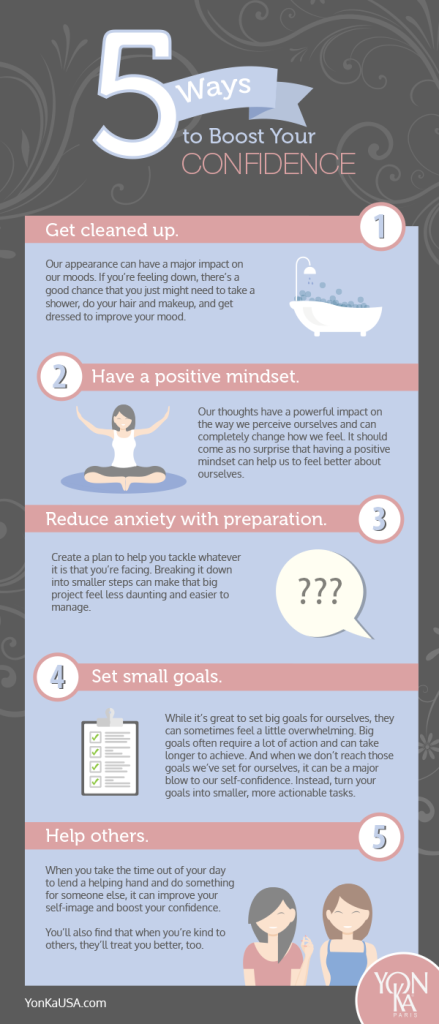
In conclusion, the practice of using positive affirmations can invigorate your mindset, foster resilience, and unlock new possibilities in life. By embracing this transformative tool, individuals can redefine their self-image and pave the way to achieving their dreams. The potential is vast—why not start today?
DISCOVER MORE: Click here to deepen your understanding
The Science Behind Positive Affirmations
To truly grasp how positive affirmations can transform our mindset and enhance personal empowerment, it is essential to understand the science that underlies this practice. At its core, positive affirmations are a form of cognitive restructuring grounded in psychological principles. This technique encourages individuals to refocus their thoughts from a negative to a positive perspective, creating a foundation for personal transformation.
Several studies corroborate the efficacy of positive affirmations. For instance, a 2013 study published in the journal Social Cognitive and Affective Neuroscience demonstrated that self-affirmation activates the brain’s reward center, indicating a physiological response to positive self-talk. Researchers found that when individuals engaged in affirming their values, there was an increase in activity in brain regions associated with self-processing and reward. This suggests that positive affirmations not only lift our spirits but also have a tangible impact on our neurological functioning.
How Affirmations Work: The Mechanisms
The mechanisms by which positive affirmations work are multifaceted and intriguing. When individuals repeat positive statements, a process called neuroplasticity comes into play. Neuroplasticity refers to the brain’s ability to reorganize itself by forming new neural connections throughout life. By regularly practicing affirmations, people can strengthen these new pathways while weakening the old, negative ones. This is crucial since the way we think about ourselves can significantly influence our mental and emotional well-being.
Moreover, using affirmations helps mitigate the effects of self-doubt and imposter syndrome—two pervasive issues that can prevent individuals from reaching their full potential. By affirming their strengths and capabilities, people can create a mental buffer against self-criticism, paving the way for increased confidence and self-assurance.
- Reinforcing Positive Beliefs: Affirmations serve to reinforce positive beliefs about oneself, which can translate into real-life changes.
- Reducing Stress: Studies indicate that self-affirmation can lower stress levels, enabling individuals to approach challenges with a clearer, calmer mindset.
- Encouraging Positive Behavior: When individuals believe in their ability to succeed, they are more likely to engage in behaviors that align with their goals.
Incorporating affirmations into daily routines is simple yet effective. It can involve speaking them aloud, writing them down, or even creating visual reminders. By regularly embedding these positive phrases into one’s life, individuals can initiate a powerful shift in how they perceive themselves and their capabilities, serving as a catalyst for change.
Ultimately, the science supporting positive affirmations reveals that they are not merely a lofty ideal but a practice grounded in evidence that can yield significant benefits. As individuals harness the power of positive affirmations, they enhance their capacity for personal empowerment, enabling them to navigate life’s challenges with a renewed sense of purpose and resilience.
| Advantage | Description |
|---|---|
| Increased Self-Confidence | Positive affirmations can replace negative self-talk with empowering thoughts, boosting your self-esteem and creating a confident mindset. |
| Enhanced Resilience | The practice of reciting affirmations enables you to reframe your perspective during challenges, helping you bounce back from adversity more quickly. |
| Motivation to Achieve Goals | By reinforcing your aspirations through affirmations, you cultivate a proactive mindset that drives you towards your goals and aspirations. |
| Improved Mental Health | Integrating affirmations into your daily routine can reduce stress and anxiety, leading to overall better mental well-being. |
Incorporating positive affirmations into daily life is a practice many individuals find transformative. It is not merely about repeating phrases; it is about creating a deeper connection with your internal narrative. When practiced consistently, these affirmations serve as a powerful tool for reshaping your mindset. Factors such as increased self-awareness and intentionality in thoughts play key roles in personal empowerment. Studies suggest that individuals who actively engage in positive self-talk often exhibit higher levels of overall satisfaction and achievement in life. So, whether you are striving for personal growth or simply wish to enhance your mental fortitude, exploring positive affirmations could be a significant step towards a more empowered self.
EXPLORE MORE: Click here to discover how mindfulness can enhance your affirmations
The Role of Positive Affirmations in Achieving Personal Goals
Positive affirmations are not only about boosting mood or self-image; they play an essential role in shaping our behaviors and aiding in the achievement of personal goals. When individuals repeatedly affirm their aspirations—whether it’s enhancing their career, improving relationships, or pursuing fitness goals—they are engaging in a form of self-motivation that can significantly impact their path to success.
A notable study published in the Journal of Personality and Social Psychology indicated that individuals who practiced self-affirmation before facing challenging tasks experienced better performance than those who didn’t. The research suggested that affirmations created a sense of psychological safety, reducing the anxiety that often accompanies high-stakes situations. In this safe space, individuals felt empowered to take risks and pursue their goals with renewed vigor, showcasing the practical application of positive affirmations in driving forward momentum.
Crafting Effective Affirmations
The effectiveness of positive affirmations largely depends on their construction. Simply repeating vague phrases may not yield the intended outcomes. Instead, affirmations should be specific, actionable, and personal. For example, rather than stating, “I am successful,” one might say, “I am making strides in my project by maintaining focus and seeking guidance when necessary.” This specificity provides clarity and reinforces the behaviors that lead to success, aligning seamlessly with the principles of personal empowerment.
Moreover, employing the present tense while crafting affirmations can have a profound psychological impact. By framing statements as though they are currently true, individuals create a cognitive mapping that aligns their reality with their desires. Neurobiological research supports this approach; our brain interprets present-tense statements as real, thus prompting you to act in ways that fulfill the affirmations.
- Consistency is Key: Regularly revisiting affirmations—whether it’s daily affirmations in the morning or nightly reflections—helps solidify the beliefs in one’s subconscious mind.
- Personalizing Affirmations: Tailoring affirmations to reflect personal values and aspirations increases their relevance and emotional resonance, enhancing motivation.
- Visualization Techniques: Pairing affirmations with visualization can amplify their effects. Envisioning successfully achieving your goals while affirming them can create a stronger motivation to pursue those ambitions.
Cultivating an environment that fosters positive affirmations can also amplify their effects. Surrounding oneself with supportive peers, engaging in educational workshops, and immersing in an inspiring atmosphere can reinforce personal convictions. Studies have shown that social support systems contribute positively to mental health and overall well-being, and incorporating affirmations into these systems can lead to dramatic shifts in mindset.
Balancing Affirmations with Realistic Goals
While the power of positive affirmations is profound, it is crucial to balance them with realistic expectations. Affirmations should inspire action rather than serve as a substitute for effort. For instance, stating “I will lose weight” is more effective when paired with actionable steps like “I will exercise three times a week and make healthier food choices.” This balanced approach fosters personal empowerment while concurrently setting up a framework for accountability.
As individuals harness these strategies, the transformative capacity of positive affirmations becomes increasingly evident. Through mindful practice and strategic application, affirmations can serve as powerful tools for anyone looking to empower themselves and realign their mindset toward greater achievements.
DISCOVER MORE: Click here to learn how positive affirmations can alleviate emotional stress
Conclusion
In summary, the practice of positive affirmations offers a profound avenue for individuals seeking to transform their mindset and enhance personal empowerment. By fostering a culture of self-belief and reinforcing actionable behaviors through specific, present-tense statements, individuals can carve out a path toward realizing their aspirations. This transformative process is not merely about feel-good rhetoric; it is rooted in psychological principles that enhance motivation, reduce anxiety, and elevate performance.
The effectiveness of affirmations heightens when aligned with realistic goals and coupled with consistent practice. Daily reflections, strategic action plans, and a supportive environment significantly strengthen the impact of these affirmations on our lives. Engaging with visualization techniques can amplify this power, allowing individuals to see themselves achieving their ambitions, thus reinforcing their commitment to the journey ahead.
As you explore the potential of positive affirmations in your own life, remember that this practice requires intentionality and patience. Empowerment is not a destination but a continuous journey, and positive affirmations can serve as essential companions along this path. By integrating them into your daily routine, you not only reshape your beliefs about yourself but also open the door to new possibilities and accomplishments. So, take a moment today to craft your affirmations, envision your goals, and watch as your mindset transforms, setting the stage for lifelong empowerment and success.