The Art of Simplicity: How Minimalist Decor Can Transform Your Space
Unlocking the Power of Minimalism
In a world flooded with endless choices and distractions, minimalist decor offers a breath of fresh air. It allows us to create spaces that are not only aesthetically pleasing but also calming and functional. Imagine transforming your home into a sanctuary by simply embracing simplicity. This design philosophy encourages you to strip away the non-essential, allowing for a more purposeful and intentional living environment.
Why Choose Minimalist Decor?
- Clarity of Space: A clutter-free environment fosters clarity and focus. Studies have shown that excessive clutter can lead to increased stress and anxiety levels. By minimizing the number of items in your living space, you create a more serene atmosphere where your mind can relax. Consider how a clean desk enhances your productivity; the same principle applies to your home.
- Enhanced Aesthetics: Minimalism highlights the beauty of essential items. In a minimalist home, each piece is chosen for its aesthetic value and functionality, allowing artful simplicity to shine through. For instance, a single beautiful vase can become a striking focal point rather than just one of many competing objects. This focused approach translates to a more cohesive design that feels both intentional and inviting.
- Increased Functionality: Every piece serves a purpose, creating a streamlined flow. In a minimalist space, you can enhance not only the visual appeal but also the usability of your home. Think about multipurpose furniture, such as a coffee table that doubles as storage or an ottoman that can serve as extra seating. This strategic design enables better organization and a more functional layout.
- Cost-Effective: Fewer items can lead to lower costs in both purchase and maintenance. When you embrace a minimalist lifestyle, you may find yourself investing in higher-quality items that stand the test of time rather than accumulating a plethora of cheaper, less durable products. This approach to spending can be beneficial from both a financial and environmental point of view.
Embracing this design philosophy can lead to profound changes not just in your living space, but also in your mindset. By reducing distractions, you create a relaxing atmosphere conducive to mindfulness and creativity. For example, reducing the number of digital distractions, such as notifications from numerous apps, can further enhance a minimalist lifestyle. Such intentional simplification opens up space not just in your room, but also in your mind, allowing for deeper thought and inspiration.
Ready to Transform?
Join us on this journey as we delve into techniques and ideas that make minimalist decor approachable, ensuring that your space reflects your values and lifestyle. Whether you’re starting with small changes, such as removing one decorative item a week, or engaging in a more extensive decluttering session, the journey to minimalism can be both practical and transformative. As you explore various methods—like the KonMari method or the One-In-One-Out rule—you’re likely to discover that this lifestyle does not merely change your surroundings; it can also enrich your life and enhance your well-being.
Embracing Minimalism: The Philosophy Behind the Aesthetic
Understanding the essence of minimalist decor goes beyond merely stripping down your home to the bare essentials. This design approach is deeply rooted in a philosophy that values simplicity, clarity, and purpose. The core concept is to create environments that are not only conducive to living but also reflect an individual’s personality and style—untainted by the noise of oversaturation. By doing so, you can effectively cultivate a space that feels fresh and alive.
Key Principles of Minimalist Decor
To successfully implement minimalist decor, understanding its key principles is essential. This method revolves around a few guiding tenets, including:
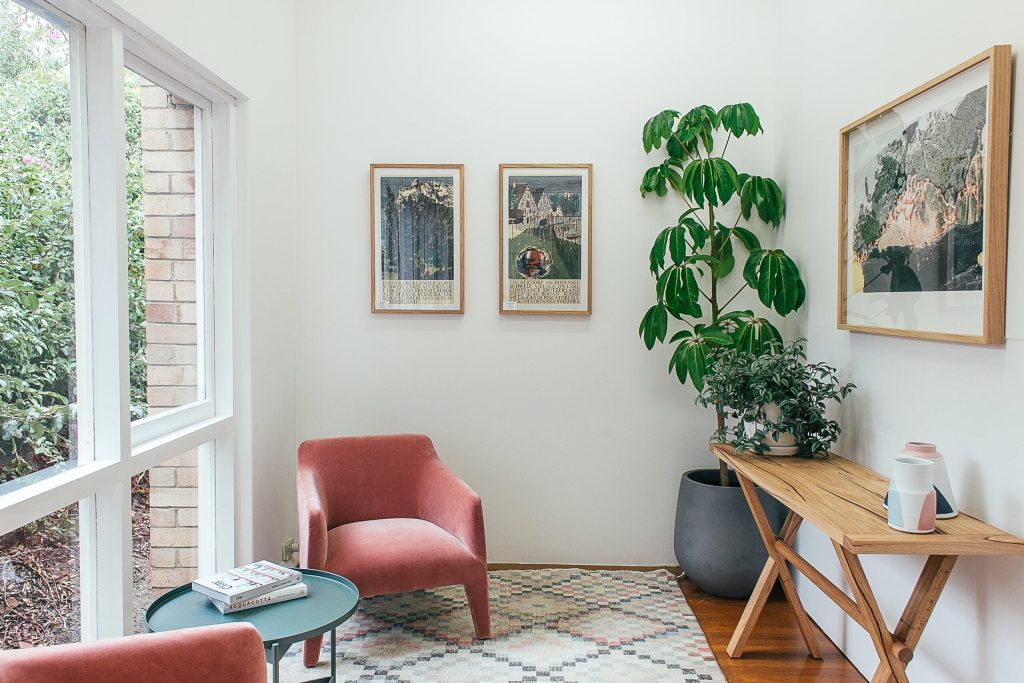
- Function Over Form: In minimalist design, functionality takes precedence over aesthetics. Every item in your space must serve a purpose, whether it is a piece of furniture or a decorative object. This does not mean sacrificing beauty; rather, it’s about selecting well-crafted items that resonate with your aesthetic preferences while being practical.
- Adequate Space: One of the hallmarks of minimalism is the open space that invites airflow and light, creating a tranquil atmosphere. The careful arrangement of furniture to leave room for movement can enhance the sense of openness. Think of how a well-placed chair can draw the eyes towards a beautifully lit window instead of cluttering the area with unnecessary items.
- Neutral Palettes: Minimalist decor often embraces color schemes that are muted and soft, featuring shades like whites, beiges, and grays intertwining with subtle pastels or earth tones. This color choice promotes harmony throughout the space, allowing the few intentional decorative elements to shine without conflict. Introducing bold or vibrant accents can be done selectively to enhance focal points.
- Emphasis on Quality: Investing in quality over quantity is a pivotal aspect of minimalism. This means choosing timeless pieces that you’ll cherish rather than collecting disposable decor that will likely end up discarded. For instance, a well-crafted wooden dining table may become a central element of your living space, with stories and memories attached to it over the years.
By grasping these principles, you set the groundwork for transforming your living space into a haven of simplicity and beauty. However, minimalism isn’t just about the look; it translates into your daily life, encouraging organized living and mindfulness. As you start narrowing down your possessions and streamlining your decor, you’ll likely notice not only a change in your surroundings but also a significant shift in your overall mindset and lifestyle.
Starting Your Minimalist Journey
Taking the first step towards minimalist decor can feel overwhelming; however, breaking it down into manageable tasks can ease the transition. Begin by evaluating your possessions and identifying which items hold genuine utility and joy for you. Consider methods like the Four-Box Way (“Keep, Donate, Sell, Trash”) to help in this sorting process. Furthermore, engage in mindful shopping; each purchase should be a considered addition, enhancing your space while contributing to the minimalist ethos.
As you start to embrace the art of simplicity, you’ll discover that minimalism can unlock layers of tranquility and clarity within your home. Armed with a clear understanding of minimalist principles, you can embark on a journey towards a transformed living experience that echoes your personal values and lifestyle.
The Art of Simplicity: How Minimalist Decor Can Transform Your Space
Minimalist decor is not just a trend; it is a lifestyle choice that can significantly impact the way we feel in our environments. By shedding the clutter and focusing on simplicity, homeowners can foster a sense of calm and clarity. One of the core principles of minimalist design is functionality. Every piece should serve a purpose, contributing to a harmonious atmosphere that promotes relaxation and mindfulness.
Another important aspect of minimalist decor is the use of neutral color palettes. Soft whites, beiges, and grays create a soothing backdrop that can make spaces feel larger and more inviting. The strategic use of light can enhance this effect, as natural sunlight floods the room, highlighting the beauty of simplified design choices. It’s in this tranquility that homeowners often find their creativity thrives, as the mind is less burdened by visual distractions.
Furniture in minimalist spaces often features clean lines and geometric shapes, providing an aesthetic appeal while maintaining comfort. Pieces are selectively chosen to avoid overcrowding, allowing for open pathways that promote movement and accessibility. The focus on quality over quantity means that each item should be viewed as an investment in both style and ergonomic utility, enhancing the overall living experience.
Incorporating natural elements is another effective strategy in minimalist decor. By integrating plants or natural materials like wood and stone, spaces can feel more connected to the environment, fostering a sense of peace and balance. This biophilic approach not only beautifies the space but also enhances air quality, creating a healthier living atmosphere.
To illustrate these concepts, we can explore the various advantages that minimalist decor offers, which are summarized in the table below:
| Category | Description |
|---|---|
| Clutter Reduction | Promotes a cleaner, more organized space. |
| Enhanced Focus | Frees up mental space, enhancing productivity and creativity. |
| Timeless Aesthetic | Minimalism resists trends, offering a lasting style. |
| Effortless Cleaning | Fewer items mean less time spent on upkeep. |
This table elegantly summarizes key advantages, encouraging readers to embrace the transformative power of minimalist decor in their spaces.
Cultivating Serenity: The Psychological Benefits of Minimalist Living
In addition to its aesthetic appeal, minimalist decor offers an array of psychological benefits that can transform not just your space, but also your mental state. In today’s fast-paced world, the overwhelming influx of information and clutter can lead to feelings of anxiety and stress. Minimalism serves as a counterpoint, promoting a serene environment that fosters clarity and mindfulness. Research has shown that a decluttered space significantly contributes to improved mental well-being, allowing individuals to focus better and feel more grounded.
Enhancing Focus and Productivity
One of the most compelling aspects of adopting a minimalist lifestyle is its potential to enhance focus and productivity. A clean and organized environment reduces distractions, enabling you to concentrate on the tasks at hand. For example, a workspace decorated with essential elements such as a desk, a chair, and a few curated pieces of decor can help create a streamlined area that supports creativity and efficiency. In contrast, a cluttered office space can lead to visual overload, making it challenging to remain productive. Studies indicate that individuals working in minimalist environments experience greater clarity of thought—an invaluable asset in any professional setting.
Promoting Emotional Well-being
Beyond productivity, embracing minimalist decor can be a path toward emotional well-being. When surrounded by fewer material possessions, individuals often feel liberated from the pressure of consumerism. This shift in perspective can lead to increased life satisfaction, as people begin to appreciate experiences and relationships over things. For instance, by decluttering a living room and opting for a few meaningful pieces of art and cozy furniture, you create an inviting atmosphere that encourages connection with family and friends. The absence of excess allows for deeper interactions and strengthens emotional bonds.
Fostering Mindfulness in Daily Living
Implementing minimalist principles extends far beyond the tangible realm of decor; it influences your daily habits and mindset. Adopting a minimalistic approach encourages mindfulness, inviting individuals to be present in their surroundings. When your home reflects simplicity, it becomes a suitable backdrop for intentional living. For example, mindful practices such as meditation or yoga can be significantly enhanced within a serene space devoid of distracting elements. Cultivating a minimalistic environment supports a lifestyle that values moments of stillness and reflection, essential for personal growth and inner peace.
Utilizing Natural Elements
To amplify the calming aspects of minimalist decor, consider incorporating natural elements into your design. Elements such as natural wood, stone, and indoor plants can enhance the overall ambiance of a space while remaining true to minimalist principles. For instance, a single potted plant can enliven a room without overwhelming it, providing a touch of nature that promotes tranquility and well-being. Research suggests that the presence of natural elements in one’s environment can reduce stress levels and contribute to a sense of calm. This harmonious integration of nature is a hallmark of many successful minimalist spaces.
As you dive deeper into the art of simplicity, remember that the journey is personal. Everyone’s definition of minimalism will vary based on individual preferences and lifestyles. Embracing minimalism requires patience and an open mind, inviting you to explore what truly enriches your life and your space. Through this exploration, you can unlock profound emotional and psychological benefits while creating a home that reflects your authentic self.
Conclusion: Embracing the Minimalist Journey
In conclusion, minimalist decor is more than just an aesthetic choice; it is a transformative lifestyle that profoundly impacts both our physical spaces and mental well-being. By opting for simplicity, we create environments that foster clarity, focus, and mindfulness, essential components of emotional health in today’s chaotic world. The clean lines and carefully selected elements not only enhance the visual appeal of our homes but also pave the way for deeper connections with ourselves and others.
As we reflected upon in this article, embracing minimalism allows one to reclaim their living space from the clutches of consumerism. It encourages a rewarding shift towards valuing experiences over possessions, ultimately nurturing a sense of tranquility and satisfaction. In this journey to simplicity, we can utilize natural materials and promote emotional wellness by designing spaces that reflect our core values—spaces that are intentional, functional, and truly ours.
As you consider integrating minimalist principles into your home, remember that the essence of this art is to curate what truly matters to you. Celebrate the freedom that comes from reduction and discover how a minimalist approach can not only enhance your space but also cultivate a more balanced and fulfilling life. The path to simplicity is unique for everyone, beckoning you to explore, experiment, and flourish in the beauty of minimalism.
Related posts:
Creating Calming Environments: The Impact of Simple Décor on Mental Health
The Importance of Color in Simple Décor: Choosing Palettes that Inspire Tranquility
Incorporating Natural Elements into Simple Decor: Sustainability and Minimalism
The Influence of Simple Décor on Productivity: Creating Efficient Workspaces
Neutral Tones and Natural Textures: The Impact of Simplicity on the Home Environment
The Art of Simple Décor: How Minimalism Transforms Small Spaces

Linda Carter is a writer and organization expert specializing in minimalism and personal organization. With extensive experience helping individuals create clutter-free, functional spaces and adopt mindful habits, Linda shares her knowledge on our platform. Her goal is to empower readers with practical advice and strategies to simplify their lives, stay organized, and achieve a sense of calm and balance in their daily routines.