
Creating Efficient Spaces: The Role of Multipurpose Furniture in Minimalist Living
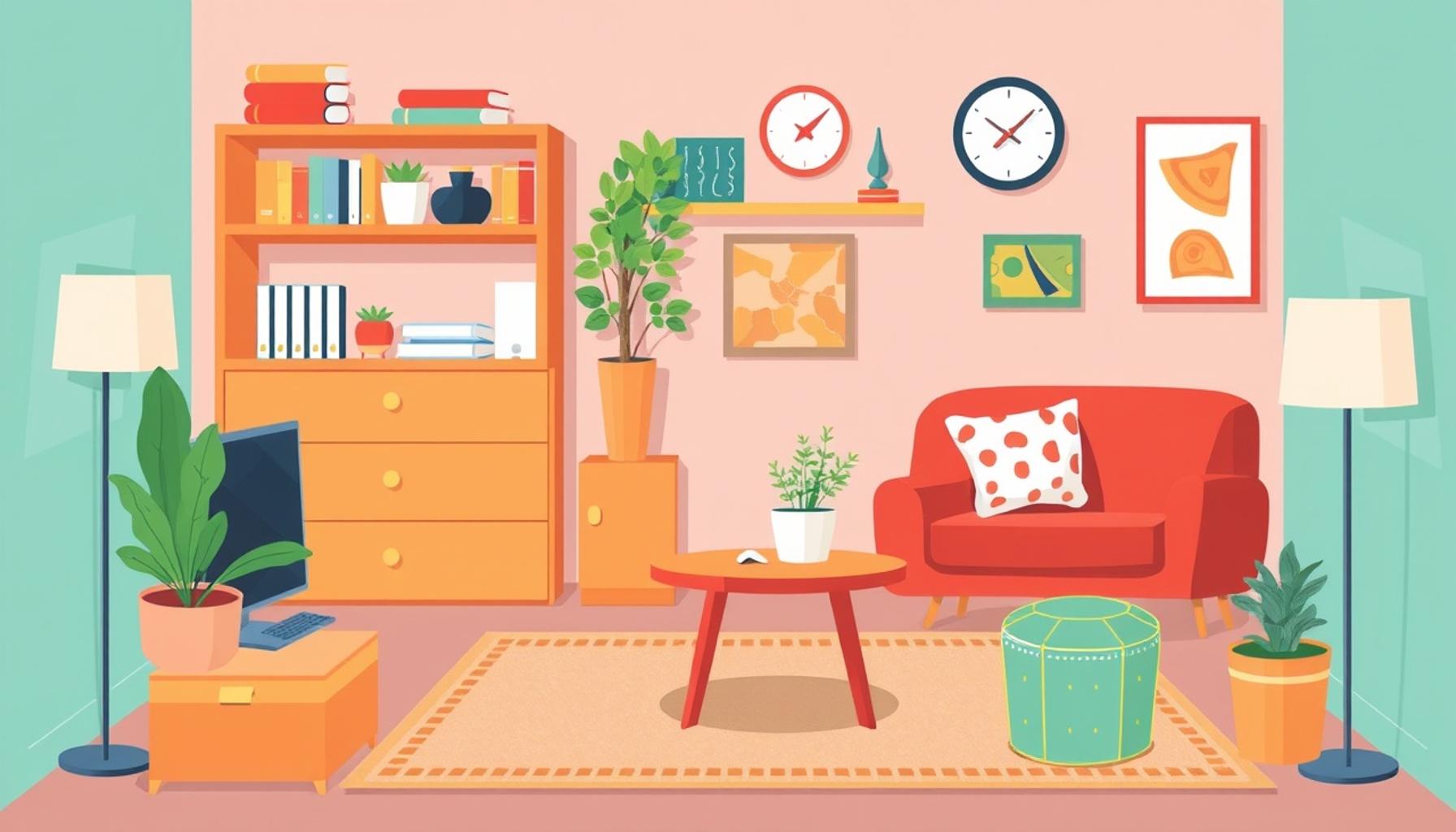
The Evolving Landscape of Home Design
As urban living spaces shrink and the demand for efficient home environments rises, it’s clear that the way we furnish our homes must adapt to our changing lifestyles. In recent years, the emergence of multipurpose furniture has become crucial for those looking to maximize both style and functionality in their often limited spaces. This trend is not merely a passing fad; rather, it represents a thoughtful response to the challenges of modern living.
Why Multipurpose Furniture Matters
The advantages of integrating multipurpose furniture into your home go beyond just saving space. Here are some key benefits that can have a transformative effect on your living environment:
- Space-saving: Pieces like sleeper sofas, which convert from a comfortable couch to a bed, or expandable dining tables that can accommodate guests during holidays, are perfect examples of how furniture can serve dual purposes. For instance, a stylish ottoman can provide seating while also housing extra blankets or magazines—combining utility with design.
- Cost-effective: By investing in fewer but highly functional pieces, homeowners can achieve significant savings. Selecting a coffee table that converts to a workstation or a sofa with built-in storage minimizes the need for additional purchases, making it a wise investment as financial resources might be limited.
- Streamlined aesthetics: A cohesive design theme can help create a calmer, minimalist environment. For example, choosing furniture in a consistent color palette not only enhances functionality but also adds a touch of elegance to your space. This visual unity can make smaller areas appear larger and more open.
The Minimalist Approach
Minimalism serves as a guiding philosophy that encourages people to reassess their possessions and prioritize quality over quantity. This approach is vividly reflected in furniture selections that:
- Reduce clutter: When furniture pieces offer hidden storage, they facilitate a tidy and organized living space. For instance, a bed with built-in drawers can effectively eliminate the need for bulky dressers, creating a more open atmosphere.
- Enhance flexibility: Furniture that is easily movable or can be reconfigured for various activities—like nesting tables or modular sofas—supports a dynamic lifestyle. This flexibility is especially beneficial for those who enjoy hosting gatherings or switching up their living arrangements frequently.
- Promote sustainability: By selecting durable, multifunctional pieces, individuals can significantly reduce waste and their environmental impact. Opting for furniture made from sustainable materials, such as reclaimed wood or recycled metals, contributes to a more eco-conscious lifestyle.
In the quest to create efficient spaces, embracing the concept of multipurpose furniture can be a game-changer. Not only does it cater to space limitations, but it also aligns with a broader shift toward mindfulness and sustainability. Delving deeper into the world of minimalist living can not only enhance your everyday life but also inspire a more intentional approach to home design. This exploration might even spark innovative ideas for your own space, encouraging a transformation that’s both functional and stylish.
Unlocking the Potential of Your Space
In today’s fast-paced world, where urbanization continues to rise, efficiency and functionality in home design have never been more paramount. As living spaces become increasingly compact, often necessitating a reevaluation of our furnishings, the allure of multipurpose furniture stands out as a beacon of ingenuity. This type of furniture not only champions the minimalist approach to living but also provides solutions to common space issues faced by many households.
The Versatility You Need
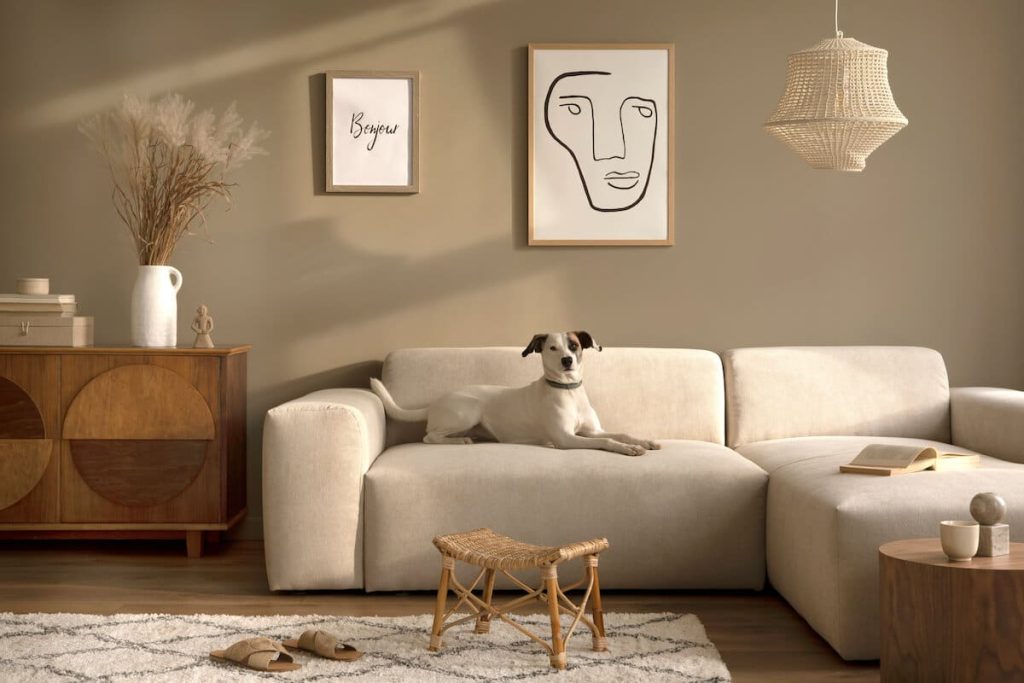
Multipurpose furniture embodies the spirit of innovation, transforming conventional pieces into adaptable solutions. Consider the following styles that epitomize versatility:
- Sleeper Sofas: A staple in apartments, sleeper sofas effectively function as both a stylish couch for daytime use and a comfortable bed for overnight guests. This dual functionality allows homeowners to save space without sacrificing comfort.
- Storage Ottomans: Not only do these trendy seats offer a place to put up your feet but they also provide hidden storage for throws, board games, or other items that may otherwise clutter the living area.
- Expandable Dining Tables: Perfect for small dining rooms, expandable tables can seamlessly accommodate more guests when needed, transforming from an intimate setting to a space-fit for entertaining.
- Wall Beds: Ingeniously designed to fold away when not in use, wall beds free up substantial floor space in studio apartments, allowing for a more open and airy atmosphere.
- Modular Sofas: These adaptable seating solutions can be rearranged based on the occasion, catering to everything from family movie nights to relaxed gatherings with friends.
Each of these pieces demonstrates how distinct furniture options can be adjusted to fit various needs and settings, reflecting the ethos of a minimalist lifestyle while catering to the practicalities of everyday living.
Rethinking Design and Functionality
Investing in multipurpose furniture not only enhances your home’s functionality but also encourages a shift in mindset. Rather than viewing furniture solely through the lens of its traditional application, individuals can embrace a versatile perspective, prioritizing items that serve multiple roles. This approach aligns perfectly with the minimalist principle of reducing unnecessary clutter and enhancing overall aesthetic appeal.
A minimalistic design ethos emphasizes quality over quantity. By opting for fewer, high-quality multipurpose pieces, residents can cultivate a more intentional living space. This not only decreases the number of items in their homes but also keeps their surroundings clean and organized, fostering a sense of tranquility. For instance, a small, elegant bookshelf can serve as both a display for cherished books and a sophisticated room divider in a multi-functional spaces.
The integration of multipurpose furniture into modern living practices ultimately leads to an environment that is not only more efficient but also deeply aligned with a commitment to sustainability. By embracing designs that last, homeowners can reduce their carbon footprint and invest in pieces that adapt to their evolving lifestyles. In the expanding embrace of minimalist living, the potential for reimagining space through multipurpose furniture is limitless.
Exploring the Benefits of Multipurpose Furniture in Minimalist Living
In the world of minimalist living, multipurpose furniture serves as a cornerstone for efficiency and practicality. By maximizing functionality while minimizing physical space, these innovative designs not only cater to aesthetics but also enhance the overall living experience. Here are several advantages that illustrate the significance of integrating multipurpose furniture within modern minimalistic environments:
| Category | Advantages |
|---|---|
| Space Saving | Combines multiple functions into a single piece, reducing clutter. |
| Cost Efficiency | Investing in a few well-designed items cuts costs on additional furnishings. |
Using multipurpose furniture in minimalist homes adds layers of adaptability. For example, a sofa bed seamlessly converts between a lounging area and a sleeping space, making it ideal for unexpectedly hosting guests. Likewise, fold-out tables and nesting chairs instantly provide dining or workspace without sacrificing valuable floor space.Additionally, these pieces often come with intelligent storage options that help keep spaces neat and organized, further emphasizing the minimalist ethos. The growing trend of tailored configurations allows individuals to express their unique personality while staying committed to simplicity and functionality. Exploring different styles and combinations can lead to creative solutions and enhanced living experiences, inspiring a lifestyle that thrives on both aesthetic and functional satisfaction. As you delve into the advantages of multipurpose furniture, consider how these features can transform your living spaces and support sustainable, efficient living.
Embracing Innovations in Multipurpose Design
The evolution of multipurpose furniture is not merely a trend but a testament to innovative design thinking. The integration of technology into furniture design has further broadened the horizons for minimalist living. As smart homes gain popularity, furniture that combines technology with multifunctionality becomes essential in creating efficient spaces. For instance, charging tables equipped with built-in wireless chargers streamline the process of keeping devices powered while serving as a central gathering place for family and friends.
Smart Solutions for Small Spaces
With the rise of urban living, many Americans are adapting to smaller homes, apartments, and micro-units. In these limited spaces, smart furniture can act as valuable assets. Consider a dining table that can be easily transformed into a workspace; this flexibility allows homeowners to maximize their use of the area throughout the day. As many people now work from home, nominal furniture that morphs into efficient office setups is particularly appealing, often featuring a minimalist aesthetic to maintain a clean, uncluttered look.
Furthermore, advancements in material technology are allowing for sleek designs that can withstand rigorous use without compromising on style. For example, outdoor/indoor furniture that can comfortably serve both purposes expands living areas and is particularly favorable for families living in smaller homes with limited outdoor space. By selecting durable, weather-resistant materials, homeowners can ensure longevity while providing a comfortable outdoor oasis.
Uniquely Designed Spaces
Another compelling aspect of multipurpose furniture is its capacity to foster creativity in home design. By incorporating pieces that serve several functions, individuals can unleash their creativity while personalizing their living spaces. Unique designs, such as foldable desks or convertible armchairs, allow residents to take ownership of their environments, transforming mundane spaces into unique escapes reflecting their style and preferences.
For those who love to entertain, consider the practicality of a coffee table that doubles as a cocktail table with hidden compartments for barware. This not only provides functionality but also contributes to seamless hosting experiences. By consciously curating your space with multipurpose furniture, homeowners demonstrate a commitment to innovative design that aligns with today’s minimalist ideals.
A Sustainable Approach to Living
Beyond enhancing functionality and design, integrating multipurpose furniture into one’s home also promotes sustainability. High-quality, multifunctional pieces reduce the need for multiple single-function items, decreasing waste and supporting eco-friendly practices. This is particularly relevant as consumers are becoming increasingly aware of their environmental impact. By choosing fewer, more effective pieces, homeowners engage in a more sustainable lifestyle while embodying the minimalist ethos that prioritizes conscious consumption.
Moreover, many manufacturers are now producing multipurpose furniture using sustainable practices and recyclable materials, appealing to environmentally conscious consumers. For example, furniture made from reclaimed wood or non-toxic finishes contributes to better indoor air quality and reduced environmental impact. Therefore, selecting multipurpose products does not just streamline living spaces; it also promotes well-being and environmental stewardship, demonstrating that thoughtful design and ecological responsibility can coalesce seamlessly.
Conclusion: The Future of Functional Minimalism
In today’s fast-paced world, where space is often at a premium, multipurpose furniture emerges as a beacon of practicality and style, paving the way for innovative living solutions. The surge in urbanization has made it increasingly essential for individuals to adapt their living environments to maximize functionality without compromising on aesthetics. As highlighted throughout this article, the transformative potential of intelligently designed furniture enables homeowners to create efficient, clutter-free spaces tailored to their unique lifestyles.
Multipurpose furniture not only meets the need for flexibility in small homes but also nurtures a sense of sustainability by reducing the need for excess items. This thoughtful approach promotes a minimalist ethos that encourages mindful consumption – essential in a world grappling with environmental challenges. In embracing furniture that addresses multiple needs, homeowners are proactively contributing to a more sustainable future while enhancing their living experiences.
Moreover, the creative possibilities unlocked by these innovative designs inspire a personal touch, allowing residents to curate spaces that reflect their individuality. As technology continues to evolve and merge with furniture design, the future promises even more exciting transformations, making multipurpose options an integral part of contemporary living.
From flexible work environments to entertaining spaces, multipurpose furniture is set to redefine how we interact with our homes. As we move towards minimalism, the role of these designs becomes increasingly indispensable, urging us to explore the harmony between function, style, and sustainability. Ultimately, embracing multipurpose solutions fosters a lifestyle enriched with efficiency, creativity, and ecological responsibility.
Related posts:
Tiny House Living: Embracing Efficient Space through Minimalist Principles
Efficient Space for Families: Balancing Minimalism with Practicality
Transforming Cluttered Areas into Efficient Work Zones: A Minimalist Approach
The Psychology of Decluttering: How Efficient Space Enhances Mental Well-being
Mindful Organization: How Minimalism Enhances Productivity in Workspaces
Maximizing Small Living Spaces: Tips for Minimalist Organization

Linda Carter is a writer and organization expert specializing in minimalism and personal organization. With extensive experience helping individuals create clutter-free, functional spaces and adopt mindful habits, Linda shares her knowledge on our platform. Her goal is to empower readers with practical advice and strategies to simplify their lives, stay organized, and achieve a sense of calm and balance in their daily routines.