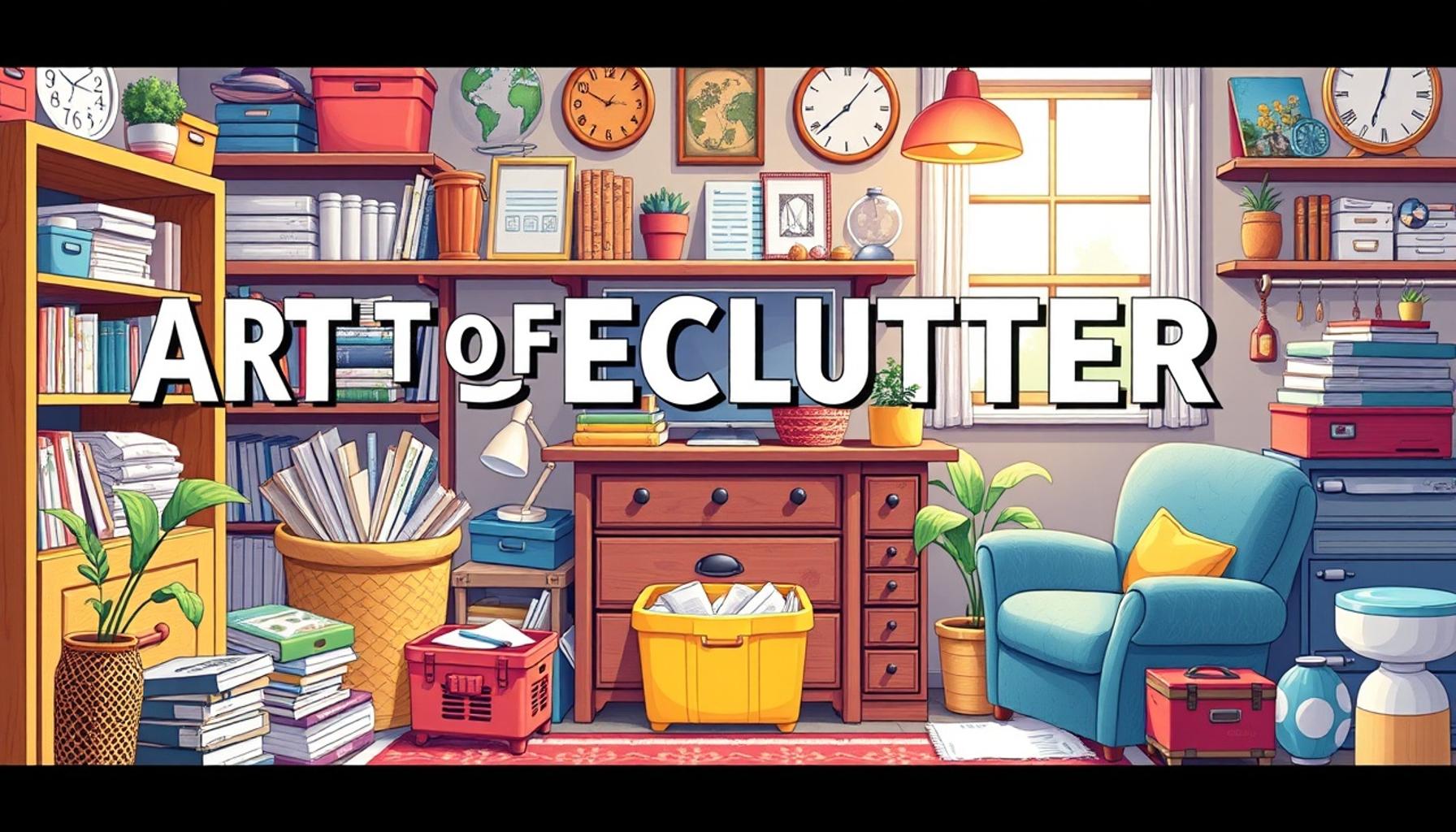
The Art of Decluttering: Creating Efficient Spaces in Your Home
Understanding the Advantages of a Clutter-Free Environment
In modern society, where the pace of life is often frenetic and the abundance of possessions can be daunting, the practice of decluttering has gained significant traction among homeowners. The impact of creating efficient spaces extends far beyond mere visual appeal; it plays a crucial role in fostering a harmonious living environment that boosts both mental health and productivity.
Have you ever paused to appreciate the multitude of benefits that come with a clutter-free home? While the immediate rewards are clear, the underlying advantages often lead to profound changes in one’s day-to-day life. Let’s explore some compelling reasons to consider a decluttering journey:
- Improved Focus: Numerous studies show that a tidy environment helps sharpen concentration. In fact, research from the Princeton University Neuroscience Institute found that clutter can actually hinder your ability to focus. By limiting distractions, a clean workspace enables enhanced workflows, making tasks more manageable.
- Enhanced Mood: The chaos of clutter can generate feelings of anxiety and overwhelm. However, several psychological studies indicate that clearing out physical space can lead to a clearer mind. The act of decluttering can foster a sense of accomplishment, which contributes positively to one’s overall mood.
- Better Organization: An organized home allows for quick access to necessary items, saving valuable time. Imagine effortlessly locating your keys or documents rather than rummaging through piles of clutter—a simple but substantial shift that can alleviate frustration and promote efficiency.
Decluttering transcends the act of simply discarding items; it embodies the notion of intentionally organizing your space to reflect both your needs and personal aesthetics. This process invites you to critically evaluate your belongings while making space for items that truly resonate with your life and values. It involves thoughtfully curating your environment, stripping away excess, and allowing for a more targeted selection that enriches your day-to-day experiences.
If you’re intrigued and ready to embrace the decluttering challenge, there are several strategies that can guide you through the rejuvenation of your spaces. One approach is the popular “one in, one out” rule, which encourages you to remove an item whenever you bring something new into your home. Another method is to tackle areas in small increments to avoid feeling overwhelmed, perhaps starting with a single drawer or corner of a room.
Consider also the emotional toll that unneeded possessions might have on you. Many people find that sentiments tied to items can make it difficult to let go. By asking yourself questions such as “Does this item serve a purpose in my life?” or “Does this bring me joy?” you allow yourself the freedom to make intentional choices. Each step forward in decluttering is a step toward a revitalized and welcoming environment.

Ultimately, decluttering stands as an invitation to transform your home—creating a sanctuary that not only looks aesthetically pleasing but also supports your overall well-being. Explore these strategies, and you may discover that the journey to a clearer space can lead to clearer thoughts, enhanced creativity, and a more fulfilling lifestyle.
Effective Strategies for a Successful Decluttering Journey
Embarking on the journey of decluttering can often feel overwhelming, but by using structured approaches, you can transform your space and mindset. To create truly efficient spaces in your home, it’s essential to have a plan in place. Many individuals find success by adopting a few key strategies that not only simplify the decluttering process but also make it sustainable for the long term.
The Four-Box Method
One effective strategy is the Four-Box Method, which involves designating four distinct boxes for your items during the decluttering process:
- Keep: Items that you absolutely need or love should go into this box. Consider necessity, emotional value, and practicality.
- Donate: This box is for items that are in good condition but no longer serve a purpose for you. Consider donating to local charities or shelters, where your items can have a second life and help others.
- Trash: Broken or unusable items belong in this box. It’s essential to dispose of these items ethically, recycling whenever possible.
- Undecided: For items that evoke ambivalence, place them in this box temporarily. Set a timeline—like a month—to revisit these items and determine their fate.
This method streamlines your process, providing a clear framework for decision-making that alleviates the emotional burden of letting go. It also encourages you to remain disciplined, ensuring that you don’t get sidetracked by nostalgia or indecision.
Time Blocking for Decluttering
Another practical approach is utilizing time blocking. Dedicate a specific period—whether it’s 15 minutes or an hour—to decluttering certain areas of your home. Studies indicate that short bursts of focused effort can be more productive than long sessions that often lead to burnout. During each time block, aim to tackle one room or even a single category, like clothing or kitchen utensils.
This technique not only makes decluttering manageable but also helps build momentum over time. As you see progress, your motivation to continue will likely grow, reinforcing your commitment to achieving a clutter-free environment.
Digital Decluttering: Taming the Virtual Clutter
While physical space is often the primary focus during the decluttering process, digital decluttering is equally essential in our technology-driven lives. Consider conducting a thorough review of your digital spaces: emails, files, and even social media accounts. Deleting old emails, organizing files into clearly labeled folders, and unfollowing accounts that do not inspire you can create a more focused and efficient digital experience.
In fact, studies show that individuals who maintain a clean digital space report higher productivity levels. Your virtual environment influences your real-life outcomes more than you might realize, making it a relevant aspect of any successful decluttering strategy.
Adopting these strategies can lead you toward a more organized, peaceful, and efficient living space. Remember, decluttering is not about achieving perfection; it’s about cultivating an environment that reflects your values and supports your lifestyle. With commitment and intention, you can embark on this rewarding path to a more harmonious home.
| Category | Key Features |
|---|---|
| Space Optimization | Maximizes floor space and enhances flow within the home. |
| Stress Reduction | Clutter-free environments lead to decreased anxiety and improved mental clarity. |
| Increased Productivity | Organized spaces promote focus and efficiency in daily tasks. |
| Improved Aesthetic | A neat, clutter-free environment enhances the overall look and feel of your home. |
| Enhanced Functionality | Every item has a place, making it easier to navigate your home. |
When discussing The Art of Decluttering, it is essential to highlight not just the emotional and visual benefits, but also the practical implications of creating efficient spaces. Optimizing space means every inch is utilized without inducing a sense of overcrowding. A well-thought-out layout can lead to increased productivity; less clutter means fewer distractions, allowing you to focus better on tasks, be it work or household chores. Additionally, each decluttered area brings about a significant reduction in stress. The calming effect of a tidy environment can improve mental clarity and promote overall well-being. Furthermore, when spaces are aesthetically pleasing, it elevates mood and encourages a more inviting atmosphere for both residents and visitors. Therefore, adopting decluttering techniques not only enhances physical space but also fosters emotional health, making your home feel more comfortable and functional.
Maintaining Your Newly Organized Space
After successfully decluttering your home, the real challenge often begins: ensuring that your newly organized space remains that way. Establishing habits and systems to maintain order is essential for fostering an efficient living environment. Here are some strategies for keeping clutter at bay in the long term.
The One-In, One-Out Rule
Implementing the One-In, One-Out Rule is a practical philosophy that helps manage incoming items. For every new item you bring into your home, commit to removing one item. This simple yet effective approach encourages mindfulness around purchases and helps prevent the accumulation of unnecessary items. Consider applying this rule to categories such as clothing, kitchen gadgets, or toys. It can serve as a personal guideline that steers shopping behavior toward intentional choices.
Regular Reflections: Monthly Assessments
Budgeting time every month for brief evaluations of your spaces can be beneficial. This monthly assessment can involve reviewing each room and asking yourself whether everything still sparks joy or serves a purpose. Setting aside as little as 30 minutes to revisit the contents of your drawers, closets, or even your digital space can help identify any creeping clutter before it becomes overwhelming. Aim to practice mini decluttering sessions during these check-ins to ensure that your spaces remain efficient and harmonious.
Creating Designated Spots for Everything
Another pivotal technique in maintaining order is establishing specific homes for your belongings. This concept of designated spots ensures that each item has a place to belong, making it easier to return them after use. Consider using baskets, bins, or drawer organizers to help categorize small items, which can enhance both the accessibility and the aesthetics of your space. Clearly labeled boxes for items like batteries, craft supplies, or office essentials can also ease the stress of finding things when you need them.
Utilizing vertical space and under-utilized areas, such as underbeds or behind doors, can also maximize storage. Engaging in creative problem-solving for space issues often leads to functional yet visually pleasing outcomes.
Embracing Minimalism in New Additions
As you consider incorporating new items into your space, cultivate a mindset of minimalism. Minimalism is often misunderstood as living with less, but it can be more accurately described as living with purpose. Focus on acquiring high-quality, multifunctional items that genuinely enhance your daily life. Products such as a versatile coffee table that doubles as storage or expandable kitchen tools can minimize clutter while serving dual functions. By emphasizing quality over quantity, you can maintain the essence of decluttering while also investing in pieces that endure and elevate your home.
Systems for Shared Spaces
If you share your home with others, developing systems that involve everyone can be crucial to maintaining an organized environment. Establish shared decluttering rituals that promote collective accountability. Regular family clean-up days or setting up common spaces to store essential items and personal belongings can create a shared sense of responsibility. Encourage everyone to participate in the upkeep of spaces and discuss individual preferences on organization styles and clutter tolerance, fostering a cooperative approach to a tidy home.
By focusing on these techniques, you can not only achieve a clutter-free environment but also develop an enduring culture of organization within your home. With commitment to small, deliberate actions, you can sustain areas of efficiency that reflect your values and support your lifestyle for years to come.
Reflecting on the Journey of Decluttering
Embracing the art of decluttering goes beyond simply tidying up your home; it is a transformative journey toward creating spaces that enhance your lifestyle and elevate your well-being. As we’ve explored, effective decluttering strategies such as the One-In, One-Out Rule, regular assessments, and assigning designated spots for items play a pivotal role in maintaining an organized environment. These practices not only foster efficiency but also cultivate a sense of peace and clarity in your daily life.
Moreover, developing a minimalist mindset allows you to make intentional choices when it comes to acquiring new belongings, ensuring that each addition aligns with your values and enhances your living experience. By actively involving family members and establishing shared organizational systems, you create a harmonious atmosphere that promotes collaboration and respect for communal spaces.
In conclusion, the journey of decluttering is ongoing and requires commitment. However, the rewards extend far beyond a clutter-free environment. The efficiency and aesthetic appeal of your home can greatly impact your overall quality of life. As you continue to refine your approach to decluttering, challenge yourself to revisit these principles consistently. By doing so, you empower not only a more organized home but also a more intentional way of living. Embrace the beauty of simplicity and the joy that comes from a space that truly reflects who you are.
Related posts:
Transforming Cluttered Areas into Efficient Work Zones: A Minimalist Approach
The Psychology of Decluttering: How Efficient Space Enhances Mental Well-being
Efficient Space for Families: Balancing Minimalism with Practicality
Integrating Nature into Efficient Space Design: Biophilic Minimalism
Tiny House Living: Embracing Efficient Space through Minimalist Principles
Mindful Organization: How Minimalism Enhances Productivity in Workspaces

Linda Carter is a writer and organization expert specializing in minimalism and personal organization. With extensive experience helping individuals create clutter-free, functional spaces and adopt mindful habits, Linda shares her knowledge on our platform. Her goal is to empower readers with practical advice and strategies to simplify their lives, stay organized, and achieve a sense of calm and balance in their daily routines.