Maximizing Small Living Spaces: Minimalist Design Strategies
Exploring Minimalist Design for Small Spaces
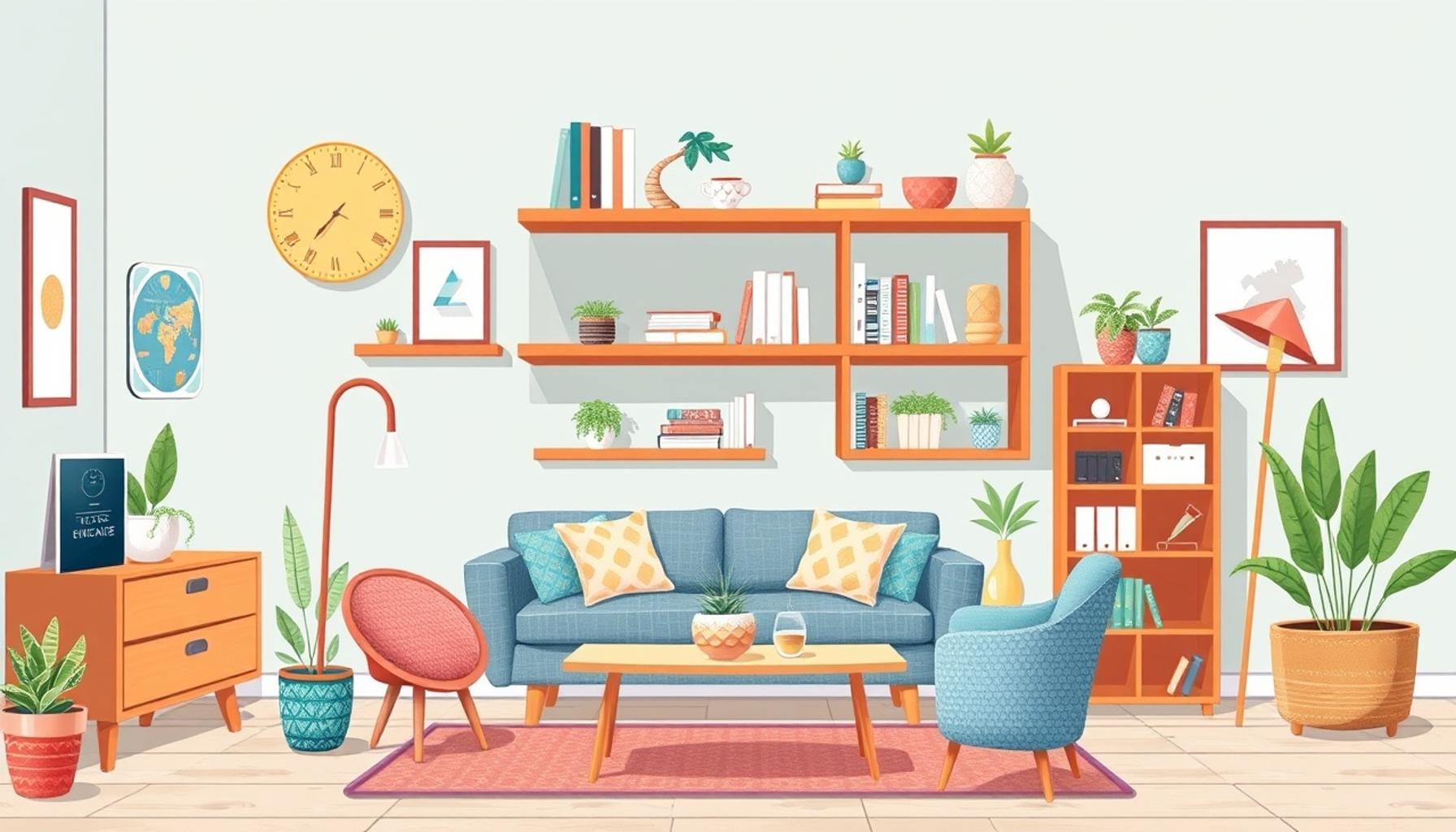
As urban living continues to flourish, many Americans find themselves living in smaller homes and apartments. This shift has prompted a growing interest in minimalist design, an aesthetic that harmonizes simplicity with practicality. At its core, minimalist design encourages individuals to create serene, spacious environments that promote clarity and tranquility.
Embracing minimalism is not just about reducing possessions; it’s about thoughtfully deciding which elements enhance your living space while discarding what does not serve a purpose. Here are some effective strategies to master this art:
- Multi-functional furniture: Investing in versatile furniture is key for maximizing space. For instance, a coffee table with built-in storage can serve as both a centerpiece for entertaining guests and a place to stow away magazines and remote controls, keeping the living area tidy.
- Decluttering: To adopt a minimalist lifestyle, regularly evaluate your belongings. A simple exercise is the “one-year rule”: if you haven’t used an item in over a year, consider donating or selling it. This practice not only clears space but also invites a sense of renewal.
- Open layouts: Open floor plans can transform the ambiance of small spaces. By removing unnecessary walls, you create a fluid connection between different areas of your home, enhancing natural light and fostering a sense of expansiveness.
Implementing these principles can revitalize a cramped studio apartment, turning it into a peaceful retreat. Minimalist design is not merely an aesthetic preference; it fosters a lifestyle centered around intentional living. It encourages individuals to focus on what genuinely brings joy, which can lead to reduced stress and a greater sense of well-being.
To further explore the realm of minimalist design, future sections will delve into innovative design strategies tailored for limited spaces. From clever storage solutions to strikingly simple decor ideas, you will learn how to transform your home into an oasis of calm and functionality. This less-is-more mentality invites you to unclutter both your surroundings and your mind, making room for what truly matters in your life.
As you embark on this journey, consider how adopting a minimalist perspective can not only enhance your living space but also facilitate a more simplified lifestyle. By appreciating the beauty of essential elements in your home, you can cultivate an atmosphere that reflects peace and simplicity amid the hustle of urban living.
Creative Storage Solutions for Compact Living
One of the most significant challenges of living in small spaces is storage. The trick lies in thinking creatively and leveraging every inch of available area. Implementing innovative storage solutions not only keeps your belongings organized but also enhances the overall aesthetic of your home. Embracing a minimalist design approach invites functionality and order into your living space. Here are some effective storage ideas that seamlessly blend practicality with style:
- Vertical storage: Utilize wall space to your advantage. Installing shelves that reach upward can help you capitalize on vertical real estate while keeping the floor space open. Consider floating shelves or tall bookshelves that can house books, plants, and even decorative items, adding personality to your walls without overcrowding your space.
- Under-the-bed storage: The area under the bed is often underutilized. Invest in storage containers that fit beneath your bed to optimize this hidden space. Whether it’s seasonal clothing, extra linens, or shoes, this solution keeps items out of sight while maintaining a clutter-free environment.
- Multi-tiered organizers: These can be applied in various areas of the home, including kitchens, bathrooms, and closets. Multi-tiered organizers allow you to stack items vertically, making it easier to find what you need without sifting through a disorganized pile. They minimize visual clutter and maximize accessibility.
Employing these storage techniques helps maintain a minimalist ethos by ensuring that everything in your home has a designated place. This not only streamlines your daily routines but also fosters serenity in your living space. By eliminating visual chaos, you can create a calming atmosphere that promotes focus and relaxation.
Moreover, the aesthetics of your storage solutions matter as much as functionality. Consider choosing containers and organizers that complement your home’s color scheme and design style. For example, woven baskets can add a natural texture to a room while providing essential storage. Likewise, sleek, modular systems can accentuate a modern décor theme, creating harmony between utility and beauty.
As you explore these storage strategies, remember that minimalism encourages the concept of “less is more.” Each item in your home should not only serve a purpose but also evoke joy or affection. Clearly defined storage options enhance this philosophy, allowing your space to feel airy and inviting rather than cramped and chaotic.
In the quest to maximize small living spaces, integrating thoughtful and stylish storage solutions can pave the way for a harmonious home environment. By consciously evaluating what you need versus what you possess, you will find clarity and peace in your design choices.
Maximizing Small Living Spaces: Minimalist Design Strategies
As urban living spaces continue to shrink, adopting minimalist design strategies becomes crucial for enhancing functionality and aesthetics. The minimalist approach emphasizes the idea that “less is more,” helping individuals create open, airy environments that foster both comfort and efficiency. One effective method is the selection of multi-functional furniture. Pieces that serve multiple purposes, such as a sofa bed or a coffee table with storage, offer flexibility without compromising on style.
Another key strategy revolves around the use of vertical space. Utilizing tall shelves or wall-mounted cabinets can help clear floor area while maximizing storage opportunities. This not only keeps the living space decluttered but also draws the eye upwards, creating an impression of greater height and openness.
Furthermore, an effective color palette plays a significant role in optimizing small living spaces. Lighter shades tend to reflect more light, making spaces feel larger and more inviting. Consider integrating large mirrors to enhance natural light and provide an illusion of depth, further contributing to a sense of spaciousness.
Incorporating natural elements, such as indoor plants, can bring life and color to minimalist spaces, enhancing air quality and promoting well-being. These aspects underlie the essential idea that minimalist design not only serves practical purposes but also enriches the overall living experience.
| Design Strategy | Advantages |
|---|---|
| Multi-Functional Furniture | Saves space and enhances functionality |
| Vertical Storage Solutions | Maximizes storage while creating an open feel |
| Light Color Palettes | Creates a brighter, more spacious atmosphere |
| Natural Elements | Improves air quality and adds vibrancy |
These minimalist design strategies effectively cater to individuals seeking to maximize limited living spaces while maintaining a stylish and functional environment. By adopting these principles, anyone can create a home that reflects their personal aesthetics without the clutter often found in smaller spaces.
Embracing Multi-Functional Furniture
In small living spaces, embracing multi-functional furniture is a game-changer. This type of furniture maximizes utility without sacrificing style. By investing in pieces that serve multiple purposes, you can conserve both space and resources while aligning with minimalist principles. Here are several categories of multi-functional furniture that can redefine your compact living experience:
- Sofa beds: A classic in small homes, sofa beds can serve as both a comfortable couch during the day and a cozy bed at night. This adaptability is essential for studio apartments or homes where guests often visit. Look for designs with storage compartments that allow you to tuck away blankets or guest linens for a streamlined look.
- Ottomans with storage: Ottomans can function as footrests, coffee tables, or additional seating, but those that include hidden compartments provide extra storage space for throws, magazines, or board games. This versatility is a perfect balance between style and substance.
- Foldable dining tables: Not all small spaces can accommodate a permanent dining set. A foldable dining table allows you to maximize your dining experience when entertaining and easily tuck away when not in use. Choosing designs with extendable options enables you to adjust the size based on the occasion, making them ideal for apartment living.
Incorporating multi-functional furniture allows for a fluid space that adapts to your lifestyle. As you select these pieces, consider how often you will use them and whether they enhance your clutter-free vision. Functionality should not overshadow aesthetic appeal; instead, look for modern designs that align with your decor preferences.
Moreover, the choice of materials can influence both utility and style. For example, lightweight metals and woods are not only trendy but also easy to move, allowing for flexibility in arrangement. Fabrics in neutral tones can add warmth without overwhelming the space, achieving a sophisticated look for minimalist design.
Maximizing Natural Light
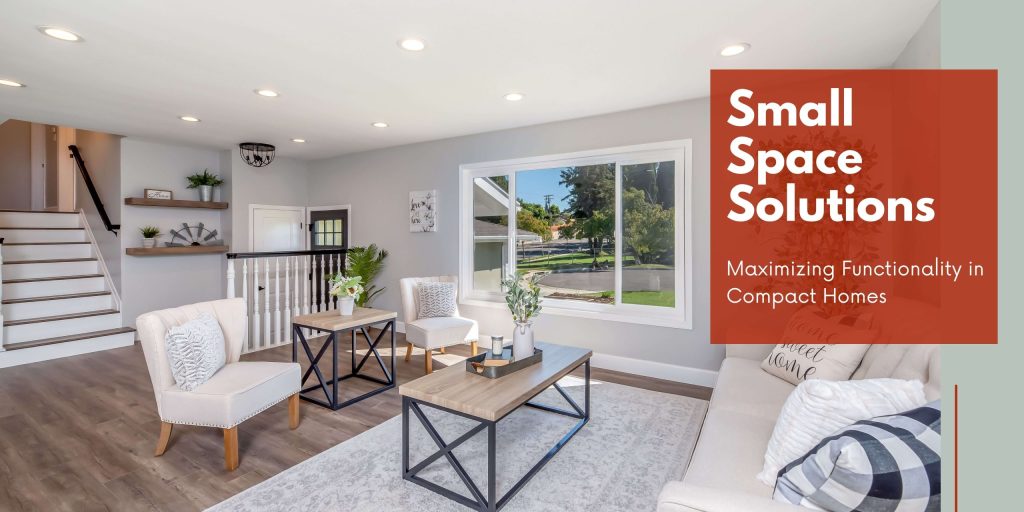
Another essential strategy for optimizing small living spaces is to maximize natural light. When a room is flooded with light, it appears more expansive and inviting. Here are some effective ways to integrate natural light into your design:
- Light-colored walls: Opting for lighter shades for your walls can create a sense of openness. Whites, soft pastels, and light grays reflect light beautifully, enhancing the spacious feel of a room.
- Mirrors: Strategically placing mirrors can bounce light around your space, creating the illusion of depth. A large mirror can act as a focal point while making the area feel more spacious.
- Sheer curtains: Instead of heavy drapes, choose sheer window treatments that allow light to filter through while maintaining privacy. This touch adds softness and can connect your interior to the outdoors.
Natural light not only improves the appearance of your living area but also contributes to a healthier environment. Exposure to sunlight can enhance mood and energy levels, making your compact space feel more vibrant and alive. Consider this when planning your home layout—does your furniture arrangement obstruct light sources? Can you position seating or work areas to take advantage of sunlit spots during the day?
Implementing these design strategies—multi-functional furniture and maximizing natural light—aligns perfectly with the minimalist philosophy. By focusing on what truly matters, you can curate a living space that is as functional as it is aesthetically pleasing. The key to success lies in making smart choices that reflect your lifestyle while maintaining a clean and organized home.
Conclusion
In an era where urban living and compact homes are becoming increasingly prevalent, maximizing small living spaces through minimalist design strategies has never been more relevant. By thoughtfully selecting multi-functional furniture and enhancing your space with natural light, you can create an environment that is both inviting and practical. These strategies allow you to not only streamline your living space but also cultivate a sense of serenity and clarity—a core tenet of minimalism.
As you strategize your space, consider the interplay between functionality and aesthetics. Every piece you integrate should resonate with your lifestyle while serving a purpose, thus reducing clutter and unnecessary distractions. The use of light hues, mirrors, and airy décor can completely transform a cramped area, making it feel larger and more open. Through the marriage of style and utility, it is possible to achieve a harmonious living environment that reflects your personality and values.
Ultimately, embracing these minimalist principles can lead to a more fulfilling life within your home. Not only will you maximize the efficiency of your limited space, but you will also foster a more mindful approach to your belongings and living habits. As you navigate the challenges of small spaces, remember that it is not merely about living with less, but rather about living more with what you have. Discover the potential of your compact home by investing in thoughtful design that inspires both comfort and creativity.
Related posts:
The Art of Decluttering: Creating Efficient Spaces in Your Home
Mindful Organization: How Minimalism Enhances Productivity in Workspaces
Transforming Cluttered Areas into Efficient Work Zones: A Minimalist Approach
Seasonal Minimalism: Organizing Efficient Space for Changing Needs
Digital Minimalism: Organizing Virtual Spaces for Efficient Workflow
Integrating Nature into Efficient Space Design: Biophilic Minimalism

Linda Carter is a writer and organization expert specializing in minimalism and personal organization. With extensive experience helping individuals create clutter-free, functional spaces and adopt mindful habits, Linda shares her knowledge on our platform. Her goal is to empower readers with practical advice and strategies to simplify their lives, stay organized, and achieve a sense of calm and balance in their daily routines.