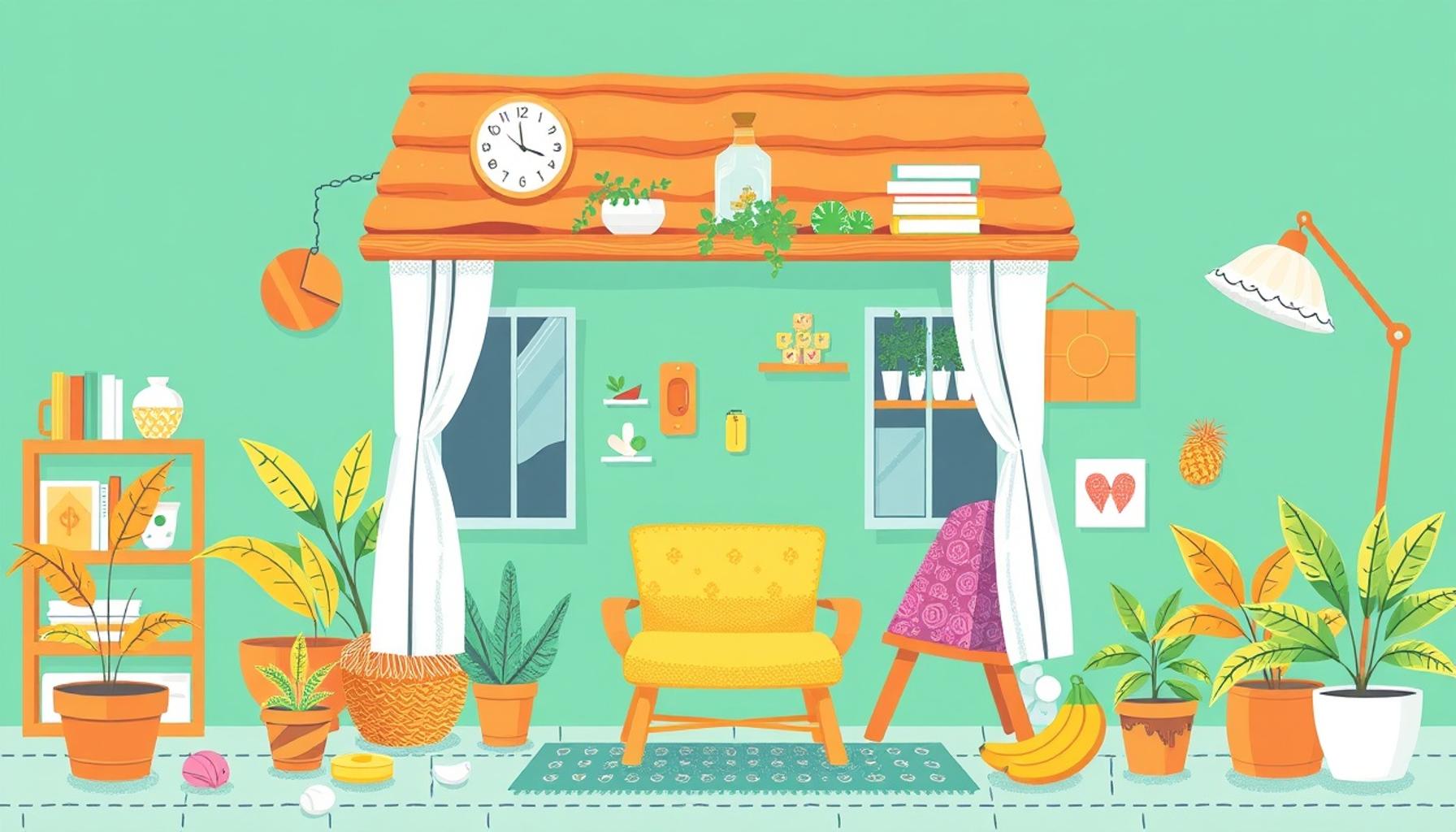
The Art of Simple Décor: How Minimalism Transforms Small Spaces
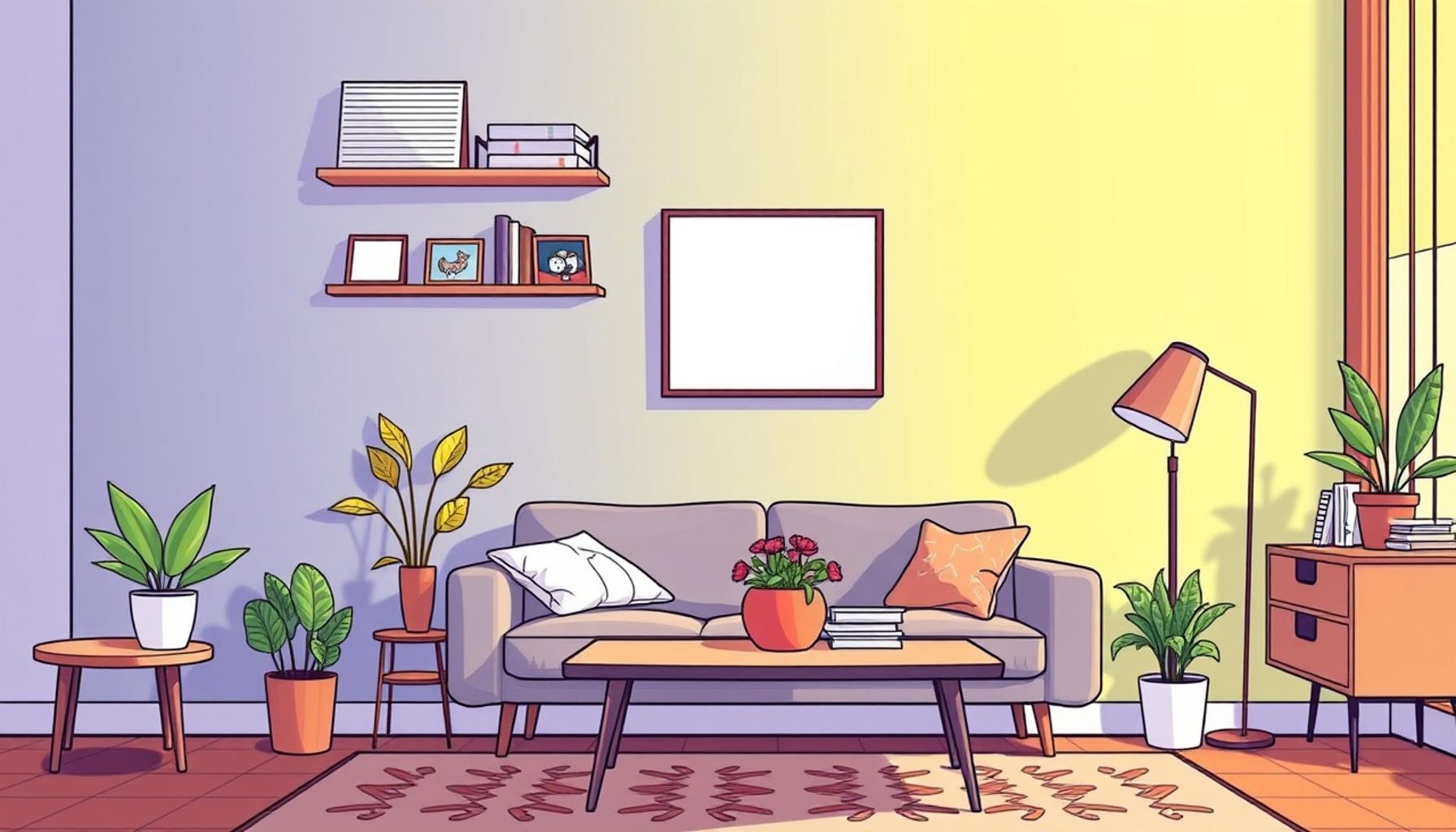
Creating Tranquility in Tight Quarters
In an era where clutter often dominates our lives, the quest for simplicity has gained momentum. Minimalism offers a refreshing approach that transforms small spaces into serene sanctuaries. By stripping away the unnecessary, you can focus on what truly matters. This lifestyle not only improves the appearance of your living space but also nurtures a clearer mindset and enhances overall well-being.
In today’s fast-paced world, the demand for simpler living has emerged prominently, particularly in America’s urban areas where space can be a luxury. Whether it’s a compact studio apartment in New York City or a small house in a bustling neighborhood of Chicago, individuals are increasingly turning towards minimalism as a way to reclaim control over their surroundings.
Here are some compelling elements of minimalist décor:
- Neutral Color Palettes: Soft whites, grays, and earth tones create an inviting atmosphere. These shades tend to reflect more light, making a smaller room feel larger and more open. Consider a monochromatic design that includes varying shades of beige or taupe, paired with natural wood accents to create warmth.
- Functional Furniture: Pieces that serve dual purposes maximize utility without compromising style. For instance, a sleek coffee table that doubles as storage or a daybed that can transition from seating to sleeping can be invaluable. Brands like IKEA have revolutionized small-space furniture with innovative designs that cater to the functional needs of urban dwellers.
- Thoughtful Accessories: Select items that reflect personality without overwhelming the space. This can include a few carefully chosen pieces of art or a couple of decorative plants. For example, a single large piece of artwork on an otherwise empty wall can provide a focal point and add character, while a few succulents can bring life without demanding excessive upkeep.
Beyond aesthetics, embracing minimalism promotes a sense of calm and intentionality. Studies have shown that clutter can increase stress and distract us from our goals. By adopting a minimalist mindset, you can foster mental clarity and enhance focus, allowing for a more productive and fulfilling life.
As you delve into the art of simple décor, consider how it can elevate your surroundings. Minimalism is more than just a design trend; it invites a holistic change in lifestyle. As we navigate through our busy lives, creating spaces that breathe tranquility can imbue each day with a profound sense of peace and satisfaction, transcending mere decoration into a lifestyle choice that enriches daily living.
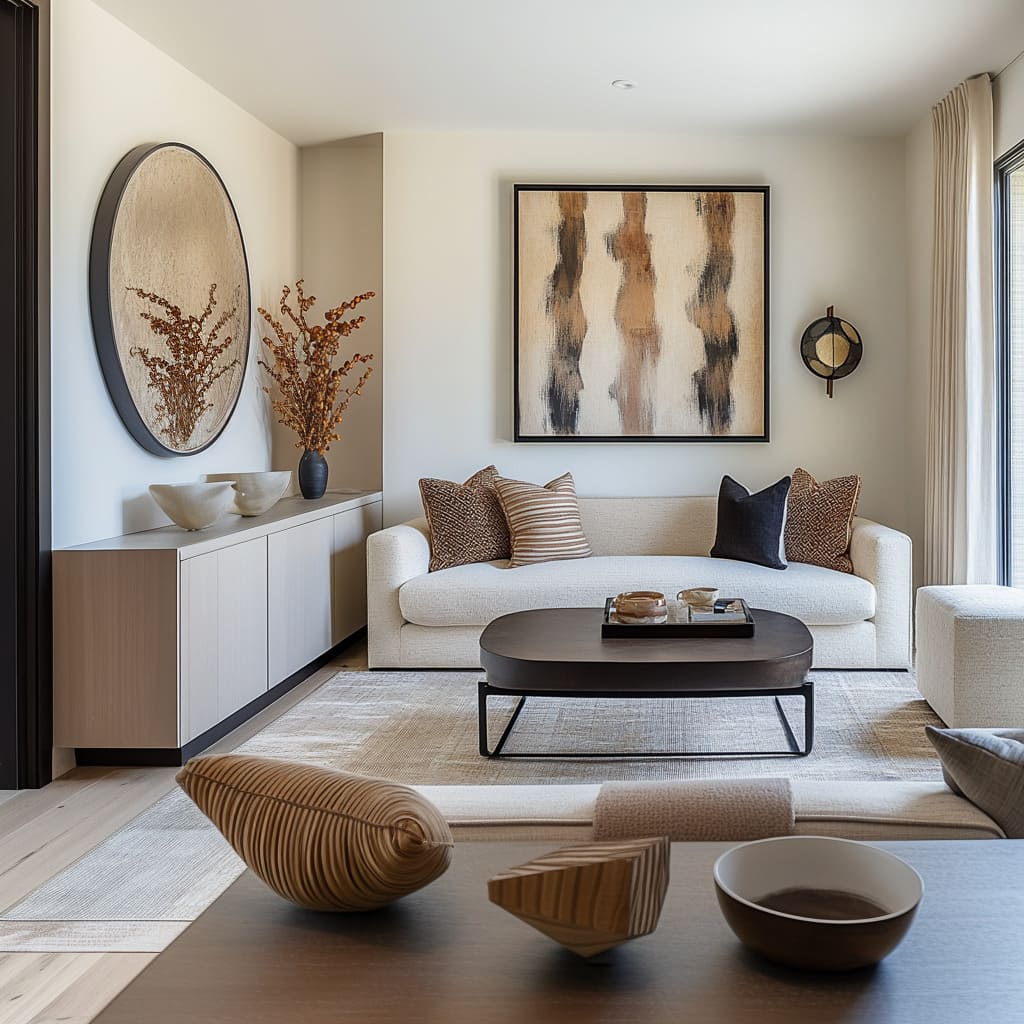
Embracing Functional Design
One of the cornerstones of minimalist décor in small spaces is the emphasis on functional design. In smaller environments, clutter can quickly overwhelm, making it critical to choose furniture and accessories that not only enhance aesthetics but also serve a purpose. When every piece is intentional, you create a harmonious balance that elevates the entire living space.
Incorporating multi-functional furniture is a game-changer for those looking to maximize space without sacrificing style. Here are some examples of furnishings that ingeniously merge form and function:
- Sofa Beds: Ideal for studio apartments or guest rooms, a sofa bed provides comfortable seating during the day and transforms into a cozy sleeping area at night.
- Expandable Dining Tables: Perfect for entertaining, these pieces can be compactly stored but expanded to accommodate larger gatherings, allowing you to make the most of your available space.
- Nesting Tables: These handy tables can be stacked neatly when not in use and pulled apart when needed, providing versatile surfaces for drinks, snacks, or decor.
By integrating such functional items, you can create a dynamic environment where every inch serves a purpose. Furthermore, opting for modular designs allows for flexibility, making it easy to rearrange and adapt your space according to changing needs or preferences.
In addition to furniture, another vital aspect of minimalism involves a focal point that draws the eye while maintaining a sense of openness. A room adorned with too many decorative elements may feel chaotic rather than tranquil. Instead, consider selecting a single statement piece—like a contemporary sculpture or an oversized piece of art—that embodies your style while inviting conversation.
Storage solutions play a pivotal role in achieving the minimalist aesthetic. With less clutter on display, spaces can breathe, and the overall atmosphere appears more inviting. Invest in stylish storage options—like under-bed containers, decorative baskets, or built-in shelving—that seamlessly blend functionality with elegant design. These solutions not only keep possessions organized but also add visual interest to your décor.
Finally, minimalism encourages the importance of light. Utilizing natural light can significantly impact the feel of a small space. Opt for sheer window treatments that soften harsh sunlight while allowing it to filter through, creating an illusion of spaciousness. Mirrors can also amplify light and make a room appear larger. Strategically placing a few mirrors reflects both light and the surrounding decor, adding depth to your environment.
As you embrace the principles of minimalism, remember that it is a journey of discovery. Each choice you make can reveal a deeper connection to your living space and ultimately enhance the way you experience your surroundings. In the next section, we will explore how the emotional benefits of minimalism manifest in day-to-day life, reinforcing the notion that less truly is more.
| Design Efficiency | Clutter Reduction |
|---|---|
| Maximizes Every Inch | Create a Peaceful Atmosphere |
| By implementing minimalist design, each element serves a purpose, making spaces feel larger and more functional. | Eliminating excess decor leads to a more serene environment, reducing visual chaos and enhancing mental clarity. |
In the realm of interior design, particularly in small spaces, the principles of minimalism shine brightly. The focus on design efficiency not only maximizes utility but also boosts aesthetic appeal. Each piece must justify its presence, allowing for a seamless flow and an illusion of spaciousness that is often elusive in compact living environments. This strategic approach extends beyond furnishings; it encompasses color palettes, lighting choices, and the overall layout, leading to a cohesive design that resonates with tranquility.Conversely, the aspect of clutter reduction plays a pivotal role in minimalist decor. It isn’t merely about what you remove; it’s also about what you choose to keep. By thoughtfully selecting decorative elements, you create a curated space that breathes ease and calmness. The minimalist lifestyle nurtures not only the physical space but also encourages a mental decluttering that many find beneficial in today’s fast-paced world. Through minimalism, small spaces can be transformed into sanctuaries of relaxation and inspiration.
Creating a Calming Aesthetic
As you delve into the world of minimalist décor, one aspect that may captivate you is the way it can instill a sense of calm within your small space. A well-curated minimalist environment becomes a sanctuary that alleviates stress and promotes relaxation. To achieve this, it’s essential to focus on a cohesive color palette, textures, and visual balance.
Color selection plays a pivotal role in crafting an atmosphere that feels peaceful and spacious. Neutral hues, such as whites, creams, grays, and soft pastels, are frequently favored in minimalist design because they reflect light and create an airy sensation. These colors can be accentuated with darker shades or bold colors as accents, but the key is to maintain a sense of harmony. For example, a soft gray sofa paired with a vibrant yellow throw pillow can enliven the room without overwhelming it.
Textures are equally important; introducing various materials can add depth and interest to the décor. Consider mixing matte finishes with glossy elements, such as a linen rug alongside a sleek glass coffee table. This interplay of surfaces creates visual contrast that elevates the overall look while preserving a minimalist philosophy. Incorporate natural materials like wood, stone, or metal to ground the space and infuse it with an organic feel.
One effective approach to achieving a minimalist yet visually stunning room is the art of layering. Layering doesn’t necessitate clutter; instead, it functions to create warmth and personality. Soft throw blankets on a couch, decorative pillows, and an area rug beneath a coffee table all combine to evoke comfort without overwhelming the senses. These layers should complement one another in texture and color while maintaining a strong balance.
Furthermore, consider how lighting can enhances your minimalist space. Lighting fixtures should be selected with an eye for simplicity and purpose. Choose clean-lined designs that contribute to the overall aesthetic rather than detract from it. Pendant lights, sculptural floor lamps, or sleek wall sconces can function as focal points and conversation starters while maintaining the minimalist ethos. Dimmers can also help in creating ambiance, allowing for adaptability as you shift from day to night.
Shared Spaces in small living arrangements can particularly benefit from minimalist design principles. For example, in an open-concept studio, zoning can be achieved through furniture arrangement and color variations—a long sofa can visually separate the living area from the sleeping space while complementing the overall style. By thinking thoughtfully about how furniture interacts, you can craft a layout that feels both spacious and functional.
As you embrace the calming aesthetic of minimalism, remember that cultivating tranquility goes hand in hand with understanding the emotional connection to your space. Every piece and layer holds significance and contributes to the unified whole. This mindfulness fosters an appreciation of your surroundings and encourages a lifestyle that celebrates simplicity. In the next section, we will delve deeper into how individual choices not only enhance the visual appeal but also influence the well-being of those who inhabit these serene settings.
Embracing the Minimalist Philosophy
In conclusion, the journey into minimalist décor offers not just a transformative approach to small spaces, but also an invitation to reassess our relationship with our environment. While a cluttered space can lead to a chaotic mind, a thoughtfully designed minimalist setting encourages clarity, focus, and calm. By selecting a cohesive color palette, incorporating varied textures, and purposefully layering elements, individuals can foster a cozy atmosphere that still feels expansive.
Moreover, the interplay of light and texture allows for a multi-dimensional vibe, which is particularly beneficial in smaller homes where every square inch counts. As we’ve explored, decorative choices are not merely aesthetic—they reflect our values and lifestyles. By investing in quality over quantity, we not only achieve a stylish aesthetic but also cultivate a sense of mindfulness in our daily lives.
Ultimately, adopting minimalism in decoration transcends mere styling; it becomes a tool for enhancing well-being and creating sanctuary-like spaces. This art form promotes a deeper appreciation for simplicity, pushing us to celebrate the beauty in restraint. As you embark on your own minimalist design journey, remember that every item you choose—whether a piece of furniture or a charming accent—should resonate with purpose and joy.
So, let your small spaces breathe and flourish as you embrace the art of simple décor and discover how less truly can be more.
Related posts:
Organization and Aesthetics: Integrating Functionality into Simple Décor
The Importance of Color in Simple Décor: Choosing Palettes that Inspire Tranquility
Simple Decor and Functionality: Multifunctional Furniture for Minimalist Spaces
The Art of Simplicity: How Minimalist Decor Can Transform Your Space
Minimalist Lifestyle: How Simple Décor Contributes to Stress Reduction and Increased Mental Clarity
Simplicity Strategies: Practical Tips for Embracing Simple Décor in Your Home

Linda Carter is a writer and organization expert specializing in minimalism and personal organization. With extensive experience helping individuals create clutter-free, functional spaces and adopt mindful habits, Linda shares her knowledge on our platform. Her goal is to empower readers with practical advice and strategies to simplify their lives, stay organized, and achieve a sense of calm and balance in their daily routines.