Minimalist Lifestyle: How Simple Décor Contributes to Stress Reduction and Increased Mental Clarity
The Essence of Minimalism in Daily Life
In a society inundated with consumerism and ceaseless stimuli, many individuals find themselves pursuing a means to escape the chaos. The minimalist lifestyle emerges as not just a trend, but a powerful response to a complicated modern existence, drawing attention to the principles of stress reduction and mental clarity as essential goals for well-being.
At its core, minimalism transcends mere aesthetic choices; it manifests as a deliberate philosophy that champions simplicity and intention. By stripping away the non-essential, people are encouraged to focus solely on what enriches their lives. Minimalism not only applies to physical possessions but extends to digital spaces, social interactions, and even daily routines.
Benefits of Minimalist Décor
The impact of minimalist design on mental well-being is substantial. Here are several compelling reasons why incorporating minimalist elements into your living space can profoundly enhance your everyday experience:
- Reduces Visual Clutter: When you declutter your environment, you significantly diminish distractions. For instance, a workspace free from unnecessary items can lead to improved focus, allowing professionals to tackle complex projects with greater ease.
- Enhances Calmness: Simple design choices—such as neutral color palettes, natural materials, and open spaces—cultivate a serene atmosphere that promotes relaxation. This tranquility can be especially beneficial in urban areas like New York City, where the fast-paced lifestyle often leads to feeling frazzled.
- Encourages Mindfulness: Adopting a minimalist approach fosters an intentional focus on what truly matters in life. This mindset nurtures presence and appreciation for the little things, such as quality time spent with loved ones or enjoying nature, rather than being preoccupied by material possessions.
Research Insights and Real-Life Transformations
Studies have shown that environments that prioritize minimalism can lead to heightened productivity and creativity. According to a report from the American Psychological Association, individuals working in minimalist office spaces reported feeling less anxious and more in control of their surroundings. This sense of empowerment can translate into more innovative ideas and greater efficiency in tasks.
As people delve deeper into the minimalist lifestyle, they oftentimes discover transformative strategies to simplify their spaces and lives. These can include practical tips such as: implementing a strict “one in, one out” rule for belongings, favoring quality over quantity in purchases, and dedicating time to regular decluttering sessions. Each step taken towards minimalism can unlock a path toward not only a more organized space but also a more fulfilling life.
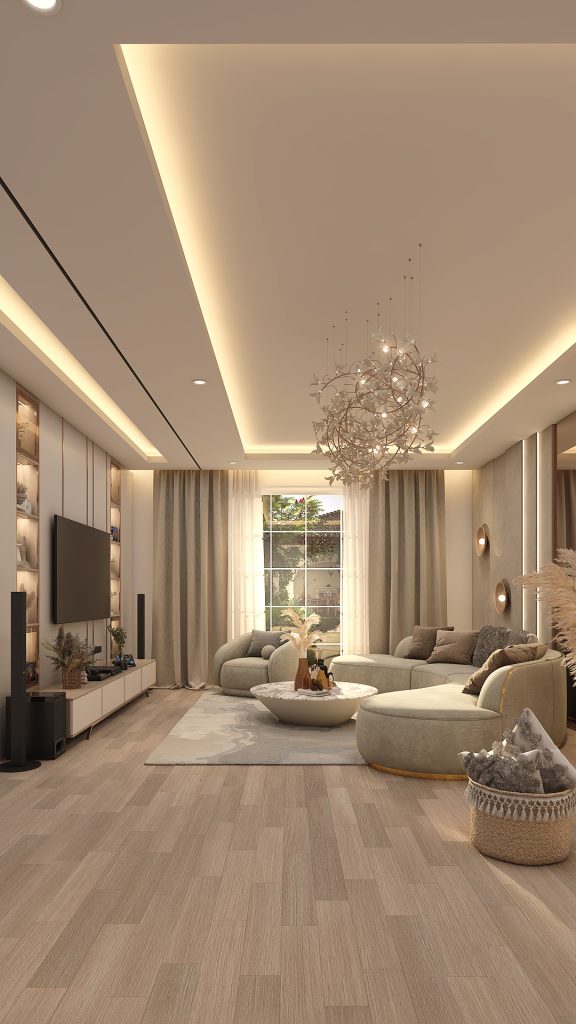
Ultimately, embracing simplicity has the potential to create profound changes in one’s mental landscape, allowing for greater happiness and a clearer, more focused state of mind. Exploring the possibilities of minimalism invites individuals to redefine their relationship with the things they own and to prioritize their well-being above the clutter of modern life.
Transforming Spaces for Inner Peace
As modern life accelerates, a significant number of individuals are recognizing the profound influences that their physical environments have on mental clarity and well-being. The minimalist lifestyle, characterized by its emphasis on simple décor, serves as an antidote to the overwhelming sensory overload that typically infiltrates our daily lives. By consciously choosing to simplify our surroundings, we can foster an ambiance conducive to peace and creativity.
Designing with Intention is a foundational principle of minimalism that encourages individuals to curate their spaces with purpose. This entails selecting furnishings and decorative elements that not only serve a function but also resonate with personal values. For instance, an artist may choose to display only a few carefully selected pieces of artwork that inspire, rather than cluttering walls with numerous items. This approach not only enhances visual appeal but also cultivates an atmosphere that encourages reflection and thought.
The Role of Color and Space
The colors chosen for a space also play a significant role in emotional well-being. Soft, neutral shades can create an illusion of openness and tranquility, which can be particularly beneficial in high-strung environments. Research indicates that colors such as blue and green can evoke feelings of calmness, while eliminating bold, distracting hues can prevent overstimulation. The incorporation of natural light through large windows or skylights can further amplify the effects, connecting inhabitants with the outside world and enhancing their mood.
Proponents of minimalist décor also argue that the arrangement of space significantly contributes to emotional state. An open layout, with minimal barriers, encourages movement and flow, making it easier for residents to transition between different areas of their home. This seamless design not only promotes physical accessibility but also nurtures a sense of freedom and ease. As the saying goes, “less is more,” and this sentiment rings true when considering how our surroundings can either enhance or impair our mental state.
Clutter and Its Psychological Impacts
Clutter, as many psychologists agree, can act as a significant source of stress, leading to increased anxiety and decreased focus. Studies conducted by the National Institute of Mental Health suggest that a disorganized environment can hinder cognitive performance, making it difficult to concentrate on important tasks. Additionally, the act of cleaning and organizing can feel overwhelming and even paralyzing for some. By adopting a minimalist lifestyle, individuals can mitigate these effects.
- Reduction of Distractions: Removing excess items helps individuals hone in on activities that truly matter, be it work or leisure.
- Increased Sense of Control: As clutter diminishes, the chaos in our minds can also ease, leading to greater personal empowerment.
- Enhanced Clarity: A simplified environment allows for clearer thought processes, making it easier to set goals and priorities.
In embracing the minimalist lifestyle, practitioners find that simple décor is not merely a matter of aesthetics but a transformative tool that invites stress relief and nurtures a clearer mind. These changes ripple outward, influencing how individuals engage with the world around them, highlighting the significance of cultivating spaces that inspire mental wellness.
| Advantages of Minimalist Décor | Impact on Well-Being |
|---|---|
| Clutter Reduction | Decreases mental overload, leading to better focus and clarity. |
| Increased Space | Creates an inviting environment that fosters relaxation and reduces stress. |
| Simplified Choices | Leads to easier decision-making processes and lower anxiety levels. |
| Natural Elements | Incorporating plants enhances air quality and overall mood. |
As you delve into the world of a minimalist lifestyle, you will discover that implementing simple décor can significantly reduce stress levels, ultimately aiding in mental clarity. By eliminating clutter, you create an environment that diminishes distractions. This allows you to concentrate more effectively, fostering a state of calm that many strive to achieve in their busy lives.Having fewer items around increases the perception of space, making your home a sanctuary rather than a source of anxiety. This open environment invites relaxation, allowing you to unwind after a hectic day. Moreover, when your surroundings are simplified, the choices you make become easier and less daunting, slashing anxiety before it has a chance to take hold.Integrating natural elements, such as plants, into this minimalistic approach enriches your living space not only visually but also by uplifting your mood and improving air quality. A minimalist lifestyle doesn’t just change your décor; it helps foster a healthier mental state that can enhance your overall well-being.
The Mind-Body Connection: Achieving Balance Through Simplicity
In exploring the minimalist lifestyle, one must consider the deep connection between our surroundings and our mental and emotional health. A conscious decision to embrace simple décor goes beyond mere aesthetic tastes; it serves as a form of self-care that profoundly affects our well-being. As everyday lives become increasingly hectic, individuals may unknowingly exhibit signs of stress or anxiety triggered by their cluttered environments.
Intentional Living Spaces
The idea of intentional living anchors the philosophy of minimalism, where each item in a home is chosen with care and conviction. Minimalist advocates suggest that every object should hold personal meaning or serve a functional purpose. This approach leads to the practice of less accumulating and more curating. A sofa may be chosen not just for comfort but also to suit the symmetry and flow of the room, evoking tranquil energy. The benefits extend beyond the visual aspect; a thoughtfully arranged space fosters emotional connections and promotes mindfulness, making inhabitants more attuned to their thoughts and feelings.
Additionally, engaging in activities such as meditation or yoga within a minimalist space can significantly heighten their effects. These practices allow individuals to embrace calming rituals that become more potent in an uncluttered environment, further solidifying the connection between simple décor and mental clarity.
The Power of Green Spaces
Another compelling aspect of the minimalist lifestyle is the integration of nature within living spaces. Introducing elements such as indoor plants aligns perfectly with minimalism, serving both functional and aesthetic purposes. Studies from the Journal of Environmental Psychology reveal that incorporating greenery can substantially reduce stress and promote feelings of calmness. Plants not only improve air quality but also provide a visual connection to the natural world, nurturing the sense of peace needed for clear thinking.
Moreover, the minimalist approach encourages individuals to engage with outdoor environments more actively. Spending time outside, soaking in the sights and sounds of nature, offers rejuvenation and a much-needed respite from the digital noise permeating modern life. This reflection invites a heightened awareness of one’s surroundings and fosters a deepened sense of gratitude—key contributors to improved mental health.
Digital Minimalism: Clearing the Mind
As technology becomes so deeply intertwined with daily existence, the concept of digital minimalism is an essential extension of the physical minimalist lifestyle. Excessive notifications, social media scrolling, and digital clutter can create a mental fog that diminishes clarity and increases anxiety. Strategies such as setting tech-free zones or designated times for digital detox can lead to improved focus and mental well-being.
- Mindful Usage: Being discerning about which applications and platforms to engage can reduce distractions and enhance productivity.
- Digital Decluttering: Regularly organizing digital files creates a simplified online existence, mirroring the benefits of a decluttered physical space.
- Setting Boundaries: Establishing technology boundaries fosters a healthy relationship with devices and reinforces a simpler, more peaceful lifestyle.
In sum, the minimalist lifestyle encapsulates a holistic approach to mental health through its emphasis on simple décor and intentional spaces. By reimagining our environments, we can create sanctuaries that nurture clarity, balance, and emotional resilience, paving the way for a happier, more fulfilling existence. This transformative journey reflects not only a change in physical appearance but a profound shift in mindset, enabling individuals to navigate life with renewed purpose and ease.
Conclusion: Embracing Minimalism for a Clearer Mind
The minimalist lifestyle presents a compelling case for harmonizing our living spaces with our mental health. As we navigate through a world brimming with distractions and chaos, the principles of minimalism illuminate a path towards tranquility and focus. This approach underscores the importance of simple décor and intentional design, revealing how the right environment not only reduces stress but also cultivates mental clarity.
By curating our spaces to only include what serves a purpose or brings joy, we open ourselves up to a more profound sense of peace. The acts of surrounding ourselves with nature—be it through indoor plants or outdoor escapades—further elevate our well-being, providing a necessary reprieve from the frenetic pace of modern life. Coupled with digital minimalism, these strategies forge a powerful toolkit for mental wellness, allowing us to eliminate distractions and carve out space for meaningful engagement.
Ultimately, embracing a minimalist lifestyle isn’t merely a trend; it’s a transformative journey that nurtures the mind and spirit. It invites us to reassess our values, prioritizing experiences over possessions. By committing to this intentional way of living, we ensure that our environments nourish our mental health and inspire a greater sense of clarity and calm. For those seeking a fresh perspective on their daily lives, exploring minimalism may just unlock the tranquility and focus needed to thrive in an ever-demanding world.
Related posts:
Organization and Aesthetics: Integrating Functionality into Simple Décor
Functional Organization: Integrating Simple Décor into Your Daily Life
The Evolution of Simple Décor: Modern and Classic Trends in Minimalism
Incorporating Natural Elements into Simple Decor: Sustainability and Minimalism
Simple Decor and the Art of Letting Go: How to Change Your Mindset about Objects and Spaces
The Art of Simple Décor: How Minimalism Transforms Small Spaces

Linda Carter is a writer and organization expert specializing in minimalism and personal organization. With extensive experience helping individuals create clutter-free, functional spaces and adopt mindful habits, Linda shares her knowledge on our platform. Her goal is to empower readers with practical advice and strategies to simplify their lives, stay organized, and achieve a sense of calm and balance in their daily routines.